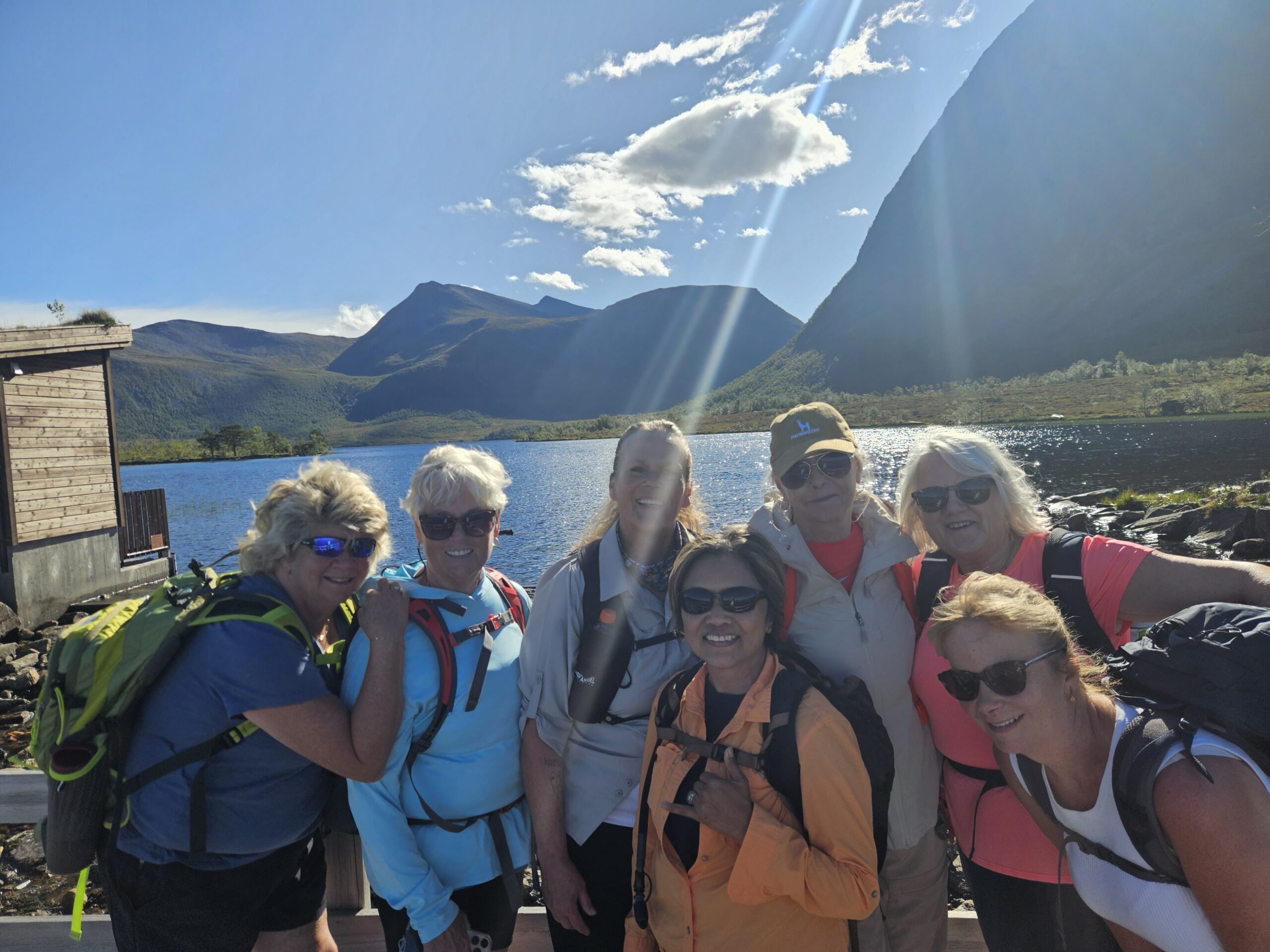
Women's Hiking Retreats That Build Confidence
A steep trail can bring you into the present. You feel the rhythm of your breath, hear boots on rock, spot the next bend in the path, and feel the quiet satisfaction of reaching a viewpoint on your own power. Women's hiking retreats build on that feeling, creating time away from everyday demands to move, rest, and reconnect in good company.
For many women, especially those traveling solo or entering a new stage of life, a hiking retreat is not about proving anything. It is an opportunity to feel capable in the outdoors, enjoy a thoughtfully planned challenge, and return home with clearer energy. With yoga, meditation, and recovery included, the experience can feel both adventurous and deeply grounding.


Why Women's Hiking Retreats Feel Different
A women-only group can create a sense of belonging from the first shared meal or walk. You do not need to arrive with a friend, know the other participants, or be the fastest person on the trail. The purpose is not competition. It is a shared commitment to show up, try something new, and support one another through changing weather, tired legs, and memorable mountain views.
This matters because hiking asks us to be adaptable. A day may begin with nervousness about the ascent ahead and end with pride in what the group has achieved together. In a small group, there is room for individual pace, honest conversations, and the practical encouragement that helps someone take the next step.
It is also a relief to have the logistics handled. When you organize an active trip alone, routes, transportation, accommodations, meals, and daily timing can take considerable research. A well-led retreat lets you focus on the experience while still understanding the plan, expected conditions, and how to prepare.
The Balance Between Challenge and Recovery
A great hiking day asks something of the body. Depending on the terrain, that might mean climbing steadily for several hours, walking on uneven ground, or managing a long descent. The right retreat does not pretend that this effort is effortless. Instead, it builds recovery into the week's rhythm.
Yoga can be particularly valuable after time on the trail, not as a performance but as a way to move with attention. Gentle mobility, stretching, breathwork, and relaxation can help you notice where you are holding tension and make space to slow down. A morning practice may help you arrive more awake and centered; an evening session can provide a calm transition after an active day.
Meditation and quiet time serve a similar purpose. They do not need to be long or complicated. A few minutes of guided breathing before a hike, time to sit with a cup of tea after a walk, or a pause to take in the landscape can shift the pace of the whole trip. That's why an active retreat often feels more restorative than a packed sightseeing itinerary.
Still, balance looks different for everyone. Some travelers want full hiking days and a physical goal to work toward. Others prefer moderate routes, more time for photography, or a slower afternoon. Look for an itinerary that describes the activity level honestly, rather than assuming everyone wants the same thing.


How to Choose a Hiking Retreat That Fits You
The most beautiful destination isn't necessarily the best choice if the hiking level, group size, or daily structure doesn't match your needs. Start by honestly assessing your current fitness, not the version of yourself you hope to be before you leave. If you regularly walk, exercise, and enjoy being outdoors, you may be ready for more than you think. But mountain terrain adds elevation, uneven surfaces, and weather changes that deserve respect.
When reading a retreat description, pay attention to the detail behind words such as “moderate” or “active.” Ask about typical hiking-day length, elevation gain, trail conditions, and whether shorter walks are available. Ask how much time you'll spend traveling between locations, since a full itinerary can feel demanding even when the individual hikes are manageable.
Also consider the guide’s experience. A knowledgeable retreat leader does more than point out the path. She sets a sensible pace, reads the group, helps participants prepare, and makes decisions that prioritize safety when conditions shift. Personal leadership can make a meaningful difference, especially for women traveling alone or hiking in an unfamiliar country.
Before booking, look for clear answers to these practical questions:
- What level of hiking experience and fitness is expected?
- How large is the group, and how is the pace managed?
- What yoga, meditation, or recovery practices are included?
- What equipment, clothing, and preparation are recommended?
- What happens if weather requires a change of plan?
Clear information is a good sign. The goal isn't to remove every uncertainty from adventure, but to arrive ready for the adventure you have chosen.
Preparing Your Body Without Overtraining
You do not need an extreme training plan to prepare for a hiking retreat, but consistent movement helps. If possible, start several weeks or months ahead, especially if you will be walking on hills or carrying a daypack. Regular walks, stair climbing, cycling, Pilates, strength training, and yoga can all support your preparation.
The most useful approach is specific but realistic. Gradually increase your walk duration. Include hills when you can. Practice in the hiking shoes or boots you plan to wear, and take a small pack with water and an extra layer so your body gets used to the weight. Strength work for the legs, hips, core, and feet can help, especially on long descents, but recovery days matter too.
Preparation is not only physical. Test your rain layer, learn to use trekking poles if you plan to bring them, and practice eating and drinking regularly while you walk. Mountains can be warm, cold, wet, windy, or all four in one day. Being prepared gives you more freedom to enjoy the changing conditions rather than feeling unsettled by them.
What You May Take Home Besides Photos
The obvious rewards are often the views, the fresh air, and the pleasure of spending days outdoors. Yet many participants remember smaller moments just as clearly: sharing a laugh on a rainy trail, feeling steady on ground that first looked intimidating, or enjoying an unhurried meal after a long day of movement.
A retreat can also reset your relationship with effort. At home, exercise is often squeezed between work, family responsibilities, and appointments. On a hiking retreat, movement has a destination and a purpose. You walk because there is a valley to explore, a ridge to reach, or a cultural place to visit along the way. The body works, then rests. The mind has fewer competing demands.
This does not mean you return as a different person overnight. Real confidence tends to be quieter than that. It may show up as a willingness to plan another hike, take a solo walk close to home, join a local group, or trust yourself more when something feels unfamiliar. Those changes are practical, and they can last.
Let the Experience Meet You Where You Are
The best women's hiking retreats balance courage and comfort. They invite you to step beyond routine without asking you to become someone else. You can come for the mountains, the yoga, the cultural experiences, or simply to spend a week with women who also value an active, thoughtful life.
Choose a retreat that feels honest about its challenge, generous with its support, and aligned with the way you want to travel. Then give yourself permission to take the first step. A trail doesn't ask you to have every answer before you begin, only to stay present with the ground beneath your feet.
Here's the YouTube video with packing advice for the Norway yoga and hiking retreat.
If you are interested in Womens Hiking Retreat in Norway, click here.
Related Posts