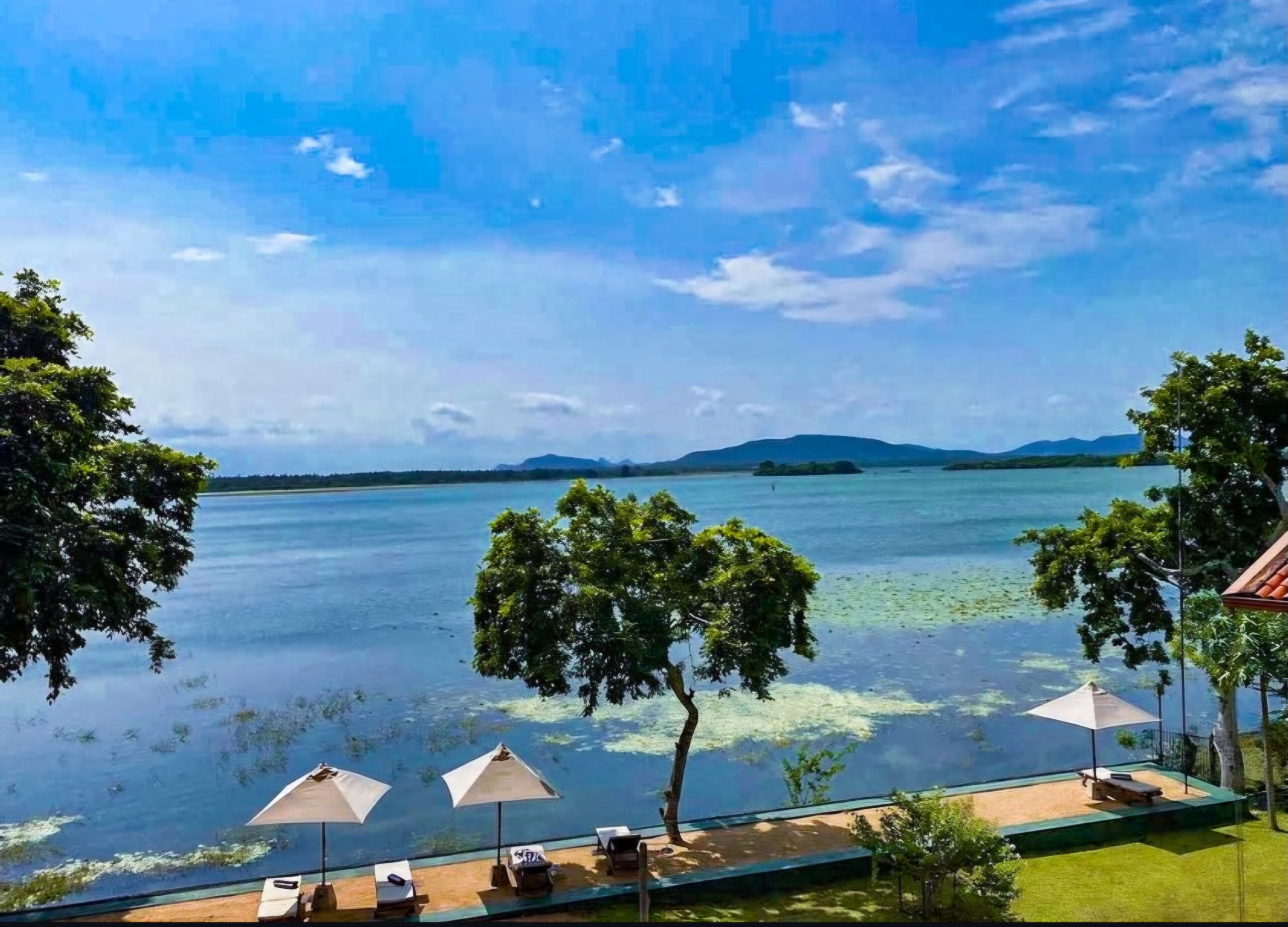
Choosing an Ayurvedic Yoga Retreat in Sri Lanka
Sri Lanka can make it easier to step out of a packed routine: warm air, lush hillsides, the ocean's rhythm, and a culture where Ayurveda remains part of everyday life. An Ayurvedic yoga retreat in Sri Lanka can be a thoughtful choice for women who want more than a beach vacation but don't want to spend a week sitting still. The best experiences create room for movement, rest, nourishing food, and genuine connection to place without making exaggerated promises.
For an active traveler, the real appeal is balance. You may start the day with yoga and breathwork, spend time walking or exploring outdoors, then slow down for a meal, a treatment, or quiet time with a book. It is not about becoming a different person in seven days. It is about returning home with clearer energy, a few practical routines, and the confidence that comes from caring for yourself well in a new environment.
Why Sri Lanka suits an Ayurvedic yoga retreat
Ayurveda is a traditional system of health and lifestyle knowledge with deep roots in South Asia. In a retreat setting, it often shapes the food, daily rhythm, body treatments, and consultations offered alongside yoga. Sri Lanka has its own longstanding Ayurvedic traditions, so the experience can feel connected to local culture rather than like an added wellness trend.
The island also gives an active retreat a valuable sense of contrast. One day might include a morning practice and time near the coast; another may involve visiting a temple, a tea-growing region, or a nature-rich inland area. Exact activities depend on the retreat and season, but the variety matters. It helps prevent a wellness stay from feeling overly contained or detached from the destination.
For travelers from colder climates, the tropical setting can be especially inviting. Still, warmth and humidity change how the body feels during exercise. A program with gentle pacing, shaded outdoor time, flexible movement options, and enough recovery often fits better than one built around a packed schedule.
What a well-designed program may include
Not every retreat using the word “Ayurvedic” offers the same depth or standard of care. Some are primarily yoga holidays with Ayurvedic-inspired meals and spa treatments. Others focus more on treatment, with individual consultations and a quieter daily schedule. Neither format is automatically better. The right choice depends on whether you want active exploration, focused rest, or a meaningful mix of both.
Yoga that meets you where you are
A good retreat should make yoga accessible without making it vague. Look for clear information about the style, frequency, class length, and level of instruction. For many travelers, a mix of morning yoga, gentle evening stretching, meditation, and breathwork is more sustainable than intensive daily practice.
If you are used to hiking, strength training, Pilates, or regular cardio, yoga can complement your routine rather than replace it. It can help you focus on mobility, breathing, and recovery after activity. You do not need advanced poses to benefit from a well-taught class. What matters more is skilled guidance, intelligent options, and enough personal attention to feel safe and included.
Food with context, not rigid rules
Meals are often one of the most memorable parts of an Ayurvedic retreat. Expect fresh local ingredients, vegetables, rice, lentils, fruit, herbs, spices, and dishes prepared with the retreat’s approach to balance in mind. Some properties offer vegetarian food, while others provide a broader menu.
Ask in advance how they handle dietary needs, especially if you have allergies, follow a specific diet, or need reliable protein choices for an active week. A nourishing menu should feel satisfying, not restrictive. Be cautious of programs that frame food as a quick fix, prescribe dramatic cleanses, or make broad health claims. A thoughtful retreat encourages curiosity about how meals make you feel without turning every plate into a rule.
Treatments and consultations with appropriate expectations
Ayurvedic stays often include traditional oil treatments, massage, herbal preparations, and consultations. They can feel deeply relaxing and can introduce you to a different approach to daily self-care. They should not be presented as a substitute for medical care or as a guarantee of specific outcomes.


If a retreat includes an initial consultation, find out who conducts it, what their qualifications are, and whether recommendations are optional. Mention any health conditions, injuries, medications, allergies, or sensitivities before booking treatments. The most professional providers will be clear about what they can offer and when you should seek advice from your own healthcare professional.
How to choose the right Ayurvedic yoga retreat in Sri Lanka
A beautiful setting is only one piece of the experience. Before you commit, read the itinerary as carefully as you would the accommodation description. Consider how you want to feel during the week: pleasantly challenged, deeply rested, culturally engaged, or perhaps a little of each.
Look closely at the group size. Smaller groups often allow more personal guidance in yoga sessions and a more relaxed atmosphere at shared meals and excursions. They can be particularly reassuring if you are traveling solo. At the same time, a very small program may have less flexibility if weather changes or a teacher becomes unavailable, so it is worth asking how the retreat handles adjustments.
Also consider the balance between scheduled activity and unstructured time. A full calendar can sound exciting from home, yet travel, heat, and new surroundings take energy. The most satisfying retreats usually leave space to swim, walk, journal, nap, or simply watch the afternoon rain pass through the palms. Recovery is not a gap in the itinerary. It is part of the value.
Accommodation deserves practical questions, too. Is the yoga space air-conditioned or open-air? Are rooms close to the practice area? Is there reliable drinking water? How are transfers arranged? If you have mobility concerns, ask about stairs, uneven paths, and walking distances rather than assuming a resort setting is fully accessible.
Keep your sense of adventure, but pace it well
Sri Lanka is far more than a treatment room and yoga shala. If you enjoy being outdoors, seek a retreat that gives you an honest picture of its activity level. “Nature excursion” can mean a gentle garden walk, several hours on uneven ground, or a long drive followed by sightseeing. Ask about distance, elevation, heat, footwear, and alternative options.

You do not have to choose between a restorative retreat and an active one. The strongest format often pairs achievable outdoor challenge with deliberate recovery. A morning hike or longer walk can bring a satisfying sense of accomplishment; breathwork, restorative yoga, and a quiet evening create the counterbalance. This rhythm is especially valuable for women who spend much of their normal lives caring for others, leading teams, and moving quickly from one responsibility to the next.
Pack for the climate, not just the photographs. Bring breathable layers, a light rain jacket, sun protection, a reusable water bottle, sandals, supportive walking shoes, and modest clothing for cultural visits. A small daypack and a few snacks can make outings more comfortable. If you are prone to mosquito bites or heat sensitivity, plan for that early rather than improvising on arrival.
Travel with curiosity and good judgment
An Ayurvedic retreat is most rewarding when you arrive open-minded but discerning. Enjoy local customs, ask thoughtful questions, and be willing to try unfamiliar food or a slower morning rhythm. At the same time, keep your own needs in view. You can skip a class, request a quieter option, or say no to a treatment that doesn't feel right for you.
For solo travelers, the group can be part of the gift. Shared yoga practice, walks, and meals create easy openings for conversation without the pressure of a conventional group tour. Yet the best retreat leaders also understand that connection does not require constant togetherness. Time alone can be where the deeper reset happens.
When choosing, favor clarity over grand promises. A retreat that clearly explains its teaching, activity level, food, treatments, and practical logistics is more likely to respect your time and energy when you arrive.
Leave a little room in the schedule for what you can't plan: an unhurried cup of tea after practice, a conversation with a local guide, or a quiet walk as the light begins to soften. Those small moments are often what stay with you long after the trip is over.
Related Posts