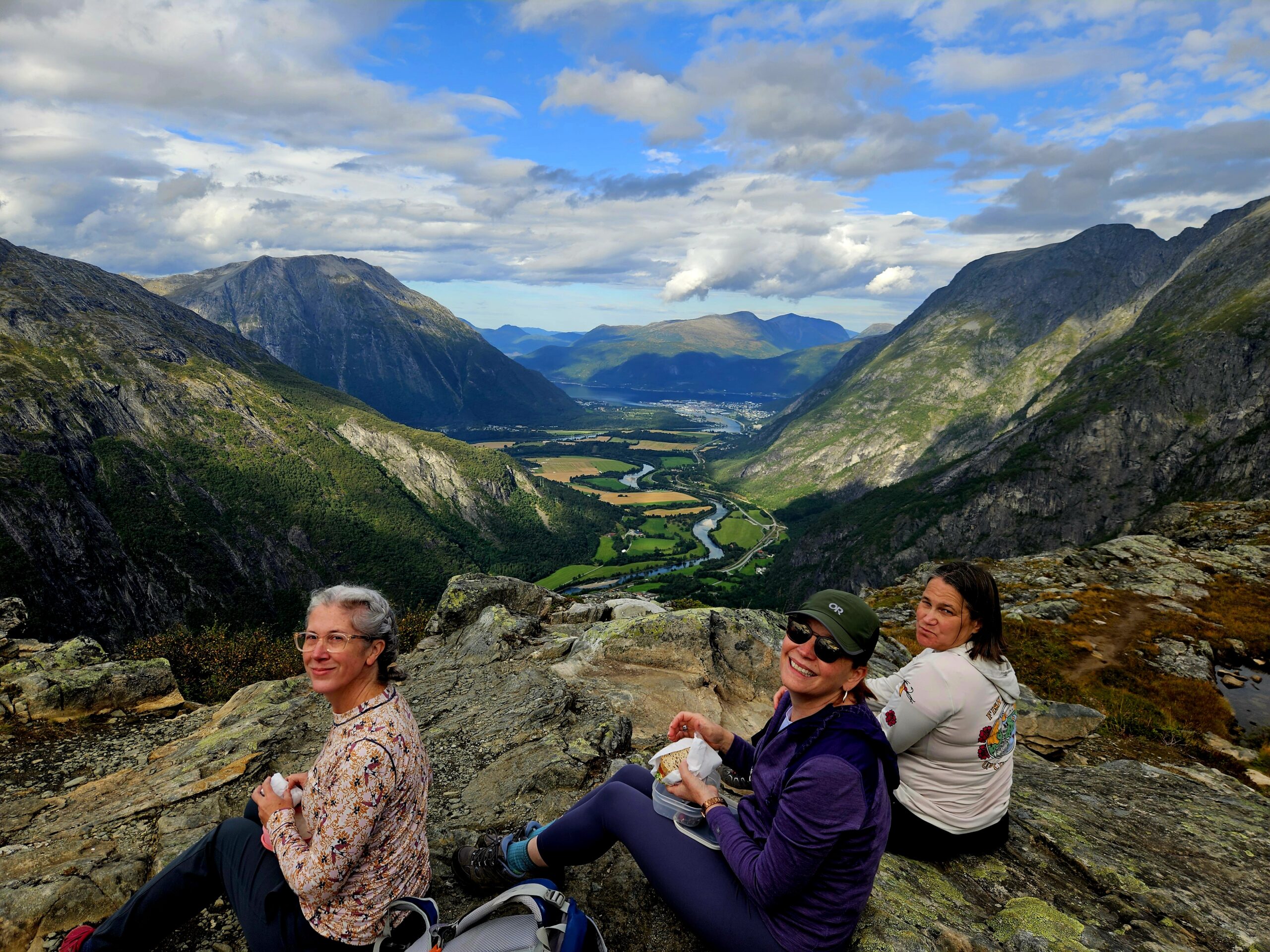
Benefits of Yoga and Hiking for Active Adults
A long climb doesn't just ask for strong legs. It asks for patience as the trail steepens, steady breathing as your heart rate rises, and enough awareness to know when to pause. Yoga and hiking offer benefits by meeting those demands in different but complementary ways: hiking pushes you through real terrain, while yoga gives you space to recover, pay attention, and move with more intention.
For active adults, this combination can make an outdoor holiday feel more complete. You still have the satisfaction of reaching a viewpoint, sharing a meal after a full day outside, and feeling pleasantly tired. But you also give your body and mind a chance to settle before the next adventure.

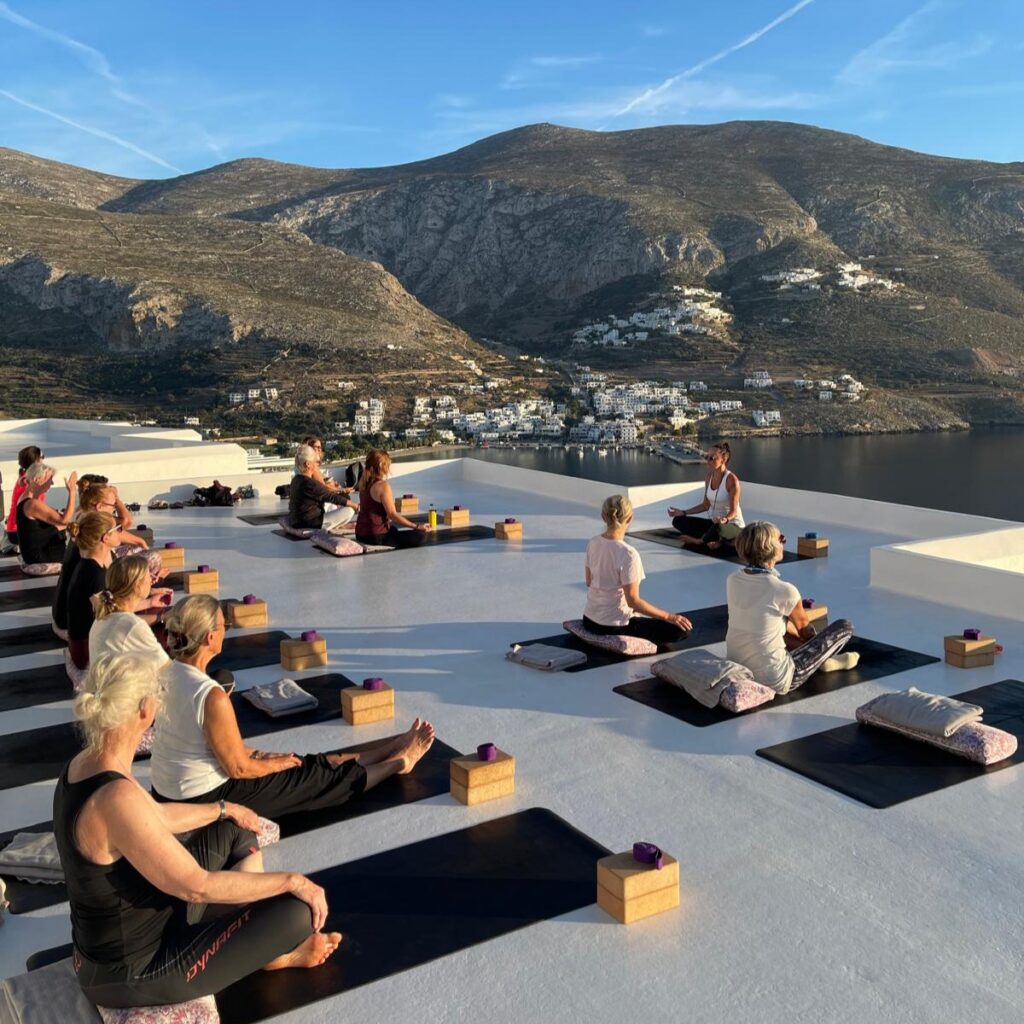
Why yoga and hiking work so well together
Hiking is wonderfully simple, yet rarely as repetitive as a treadmill. The ground changes underfoot. A descent may require more focus than an ascent. Wind, weather, altitude, and your pack's weight all influence how your body feels. This variety builds practical fitness, but it can also reveal tight hips, tired feet, stiff shoulders, or a habit of rushing.
Yoga helps you respond to those signals. A thoughtful practice can include mobility, balance, strength, breathwork, and quiet rest. It is not about forcing yourself into impressive shapes after a hard hike. It is about creating a more comfortable relationship with your body, so you can enjoy the experience rather than simply push through it.
The combination also creates a useful rhythm: effort followed by recovery, outward exploration followed by inward attention. That rhythm is especially valuable on a retreat, where the goal is not to conquer as many miles as possible. It is to come home with memories, renewed energy, and a little more confidence in what you can do.
The physical benefits of yoga and hiking
More capable movement on uneven ground
Hiking builds endurance in the legs and lungs, especially on trails with sustained climbs. It also challenges balance and coordination because rocks, roots, mud, and loose gravel require constant small adjustments. Over time, regular hiking can help you feel more confident moving through varied landscapes.
Yoga supports this by building body awareness. Standing poses can strengthen your feet, ankles, legs, and hips, while slow transitions encourage control over momentum. Balance work may feel humble in a yoga room, but steadying yourself on one leg can be useful when stepping across a stream or navigating a rocky path.
Yoga won't prevent injury, and no practice replaces sensible footwear, appropriate pacing, or good route planning. Still, learning to notice how your knees track, how your hips feel, and when fatigue changes your form can help you make wiser outdoor choices.
Better recovery between active days
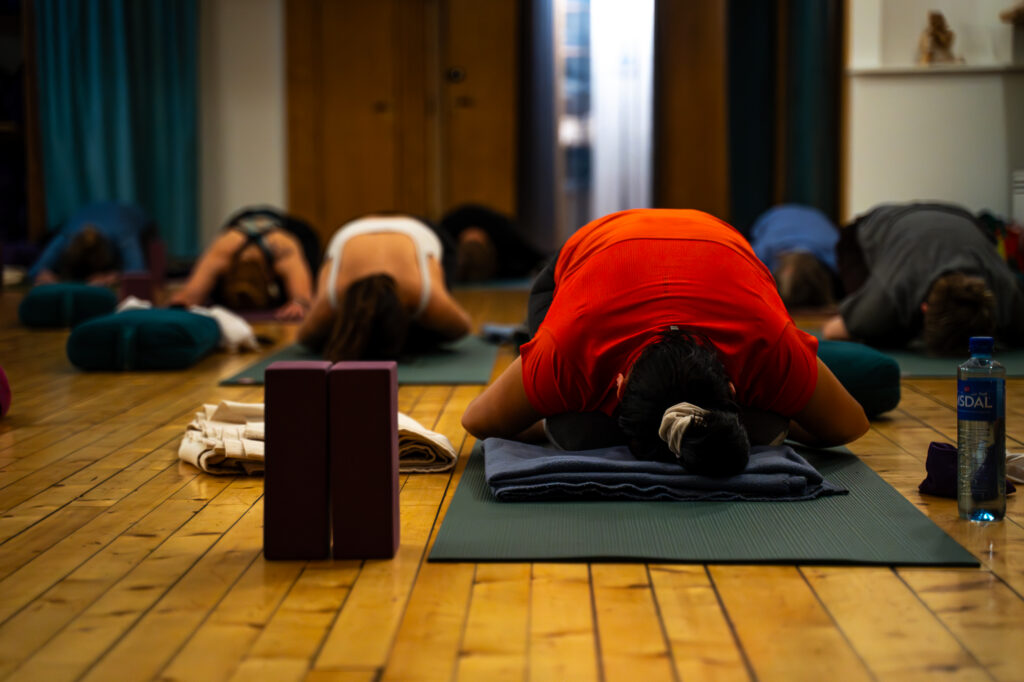
After a hike, many people want to collapse on the nearest chair. Rest is valuable, but gentle movement can also feel good. A calm yoga session may ease the sense of stiffness that comes from carrying a pack, looking down at the trail, or spending hours on a descent.
The key is choosing the right practice. After a demanding day, a slower session with supported stretches, relaxed breathing, and time on the floor is often better than a strong flow. On a lighter day, you may enjoy more active strength and mobility work. Recovery is not a fixed formula. It depends on the terrain, your sleep, your training background, and how your body feels that morning.
Strength without losing mobility
Many hikers focus on cardio and overlook the value of moving well through the hips, ankles, spine, and shoulders. Hiking alone can strengthen the body, but it also involves repeating the same basic pattern for hours. Yoga brings movement in other directions: rotation, side bending, controlled lunging, and supported extension.
This variety can be particularly welcome for people who also spend much of the week sitting at a desk, driving, or traveling. A few mindful sessions will not erase every ache, but they can help you feel less locked into one position and more prepared for the next day outside.
A calmer way to meet challenge
Some of the most meaningful benefits are not measured by distance or elevation. A steep section of trail can bring up self-doubt. So can walking in changing weather, trying something new, or joining a group when you usually travel independently. Yoga and meditation offer practical tools for these moments.
Breathing slowly and fully will not make a mountain smaller. Instead, it gives you a steady point of focus when your thoughts start racing ahead. Rather than worrying about the entire climb, you can return to the next few steps, the rhythm of your breath, and the landscape around you.
That same attention can enrich the day. Hiking invites you to look outward: the shifting light, the sound of water, the scale of a valley. Yoga invites you to look inward: tension in the jaw, ease in the shoulders, gratitude for a body that carries you forward. Together, they encourage presence without making the experience overly serious.

Connection, confidence, and shared adventure
A small-group hiking and yoga experience can be a refreshing alternative to both a busy sightseeing schedule and a solitary fitness goal. Walking together creates natural conversation, including the comfortable silences that are hard to find in everyday life. A yoga practice afterward gives everyone permission to slow down.
For solo travelers, this balance can be especially appealing. You have independence during the hike, choosing your pace within the group and taking in the scenery in your own way, while still sharing meals, achievements, and moments of laughter with others. The connection tends to grow from doing something real together, not from being pressured to socialize.
Confidence builds in quiet ways. Perhaps you complete a climb you once would have avoided. Perhaps you learn you don't need to be the fastest person to be a capable hiker. Perhaps you become more comfortable asking for a break, using hiking poles, or modifying a yoga pose. These small acts of personal accountability often carry into life after the trip.
How to combine yoga and hiking wisely
You do not need to be advanced at either activity to enjoy them together. Beginners often benefit from starting with manageable trails and accessible yoga, rather than treating a retreat or vacation as a test of endurance. The most rewarding challenge usually leaves room for curiosity and recovery.
Before a hiking-focused trip, a simple weekly routine can help. Include one or two walks that gradually become longer or hillier, along with yoga sessions that emphasize lower-body strength, ankle mobility, balance, and gentle core work. If you carry a daypack on the trip, practice with one at home. Your shoulders will appreciate the preparation.
During the trip, let the day guide the practice. A short morning session may help you wake up and feel mobile before hiking. In the evening, prioritize downshifting. Drink water, eat enough, protect your sleep, and do not confuse exhaustion with achievement. If you have a health concern, recent injury, or uncertainty about what level of activity suits you, seek advice from a qualified health professional before traveling.
Weather and terrain deserve respect too. The best itinerary allows flexibility. A shorter hike in rain, followed by restorative yoga and a cultural visit, may offer more value than forcing a summit day simply because it was planned. Adventure is not diminished by adapting. Often, good judgment begins there.
Let the trail set a more balanced pace
Yoga and hiking's lasting appeal is that they make room for both effort and ease. You can feel your legs working on the ascent, then lie still in relaxation and notice your breath settling. You can step beyond your comfort zone without losing sight of what grounds you.
Whether you are walking close to home or traveling to a mountain landscape in Norway or farther afield, let the experience be more than a checklist of peaks. Move with purpose, rest without guilt, and allow each day outdoors to remind you that strength can be calm, capable, and deeply enjoyable.
Related Posts