This was more than just a yoga retreat, it was an active adventure with volcano hiking, baby sea turtles, and ancient Mayan culture.
With all the stresses of daily life adding up, it’s no surprise that more and more people are looking to stay at a yoga retreat on their travels. Yoga retreats are not just about improving fitness and strength, but about calming your mind and connecting you to your spiritual self.
Guatemala is known as the Land of Eternal Spring, for its active volcanoes, rainforests, ancient Mayan sites, Spanish colonial towns, and the iconic Lake Atitlan surrounded by gorgeous nature spots. With all this nature, you’ll be nestled in a landscape that exhales calmness and tranquility.
Imagine a deep, cobalt lake surrounded by dozens of tiny villages and looming volcanoes. That is Lake Atitlan in Guatemala. Its shores have been attracting hippies and hedonistic travelers for decades.
It is no secret that Guatemala grows some of the best coffee in the world. If you know a little about coffee, then you know that the best coffee grows at higher elevations.
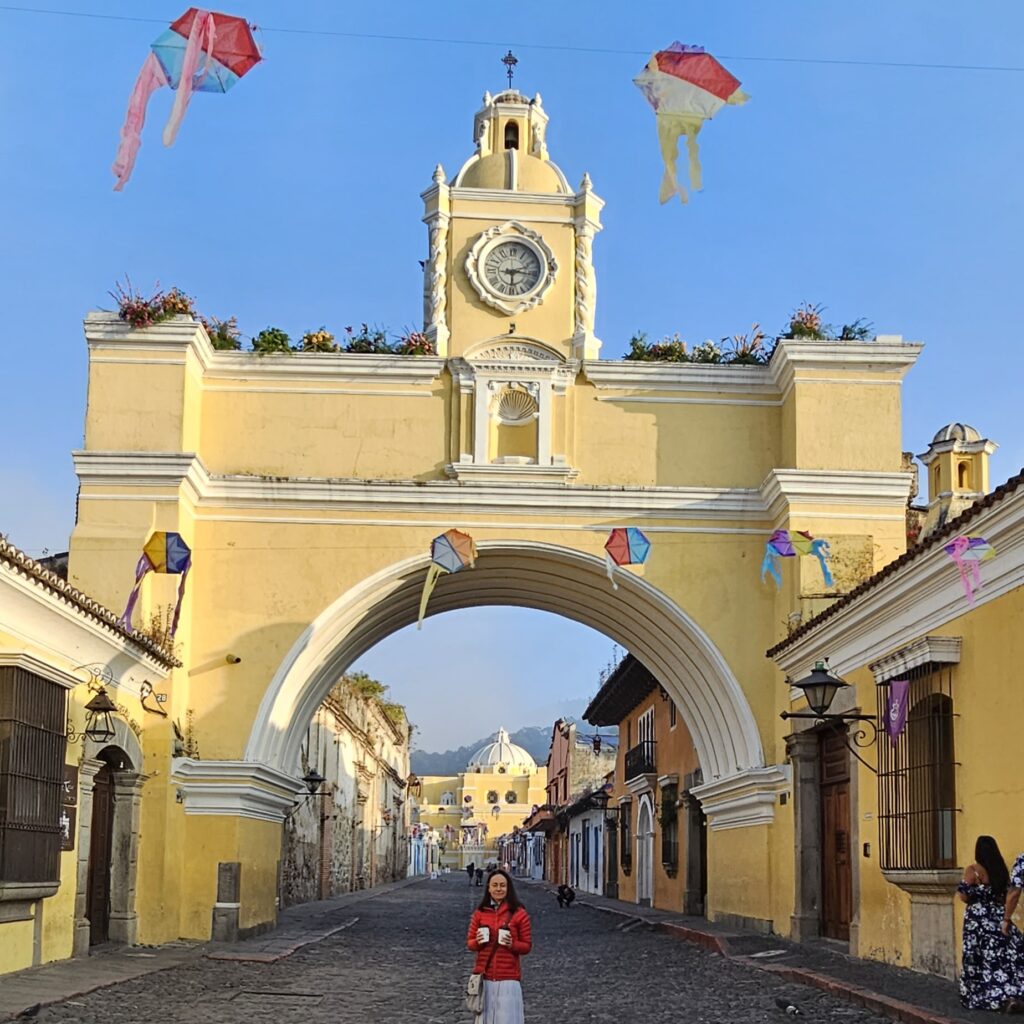
Antigua Guatemala is known as the best-preserved Spanish colonial city in Central America. Stroll the cobblestone streets, lounge with the locals in Central Park on sunny afternoons, or hike up one of the volcanoes overlooking the city for amazing views. Antigua used to be the capital of Guatemala until a damaging earthquake caused a switch to Guatemala City. As harrowing as the earthquake must have been at that time, some of the remains of Antigua’s stunning colonial buildings still stand today.
In November 2023, I had the pleasure of organizing and leading a yoga retreat in Guatemala, accompanied by an eclectic group of eleven individuals hailing from Norway, Estonia, Canada, Austria, the UK, the USA, and Hungary. Our adventure began with some of us arriving in Guatemala City before the retreat officially commenced. Despite a minor setback with one member missing her initial flight from Amsterdam, we eventually all convened, eager to start our journey.
Exploring Flores Island and the ancient Mayan ruins in Tikal
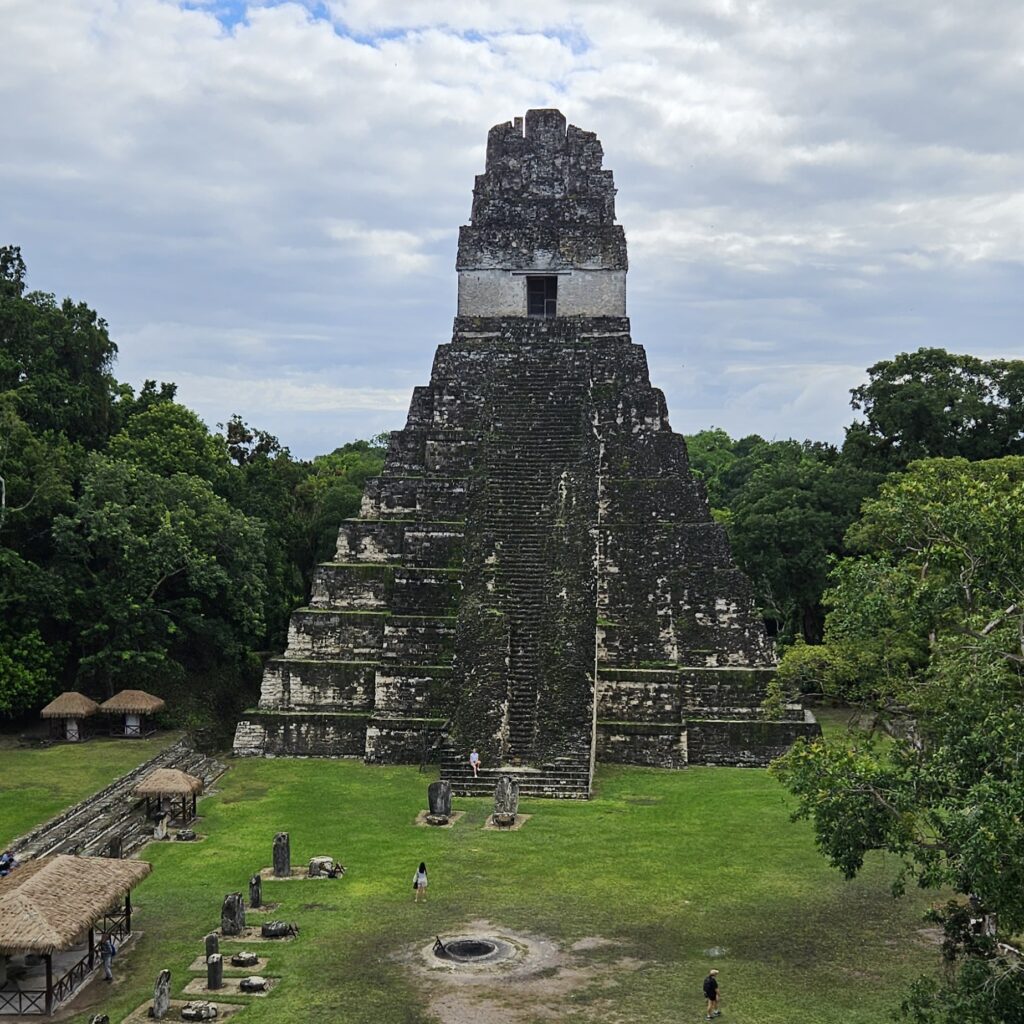
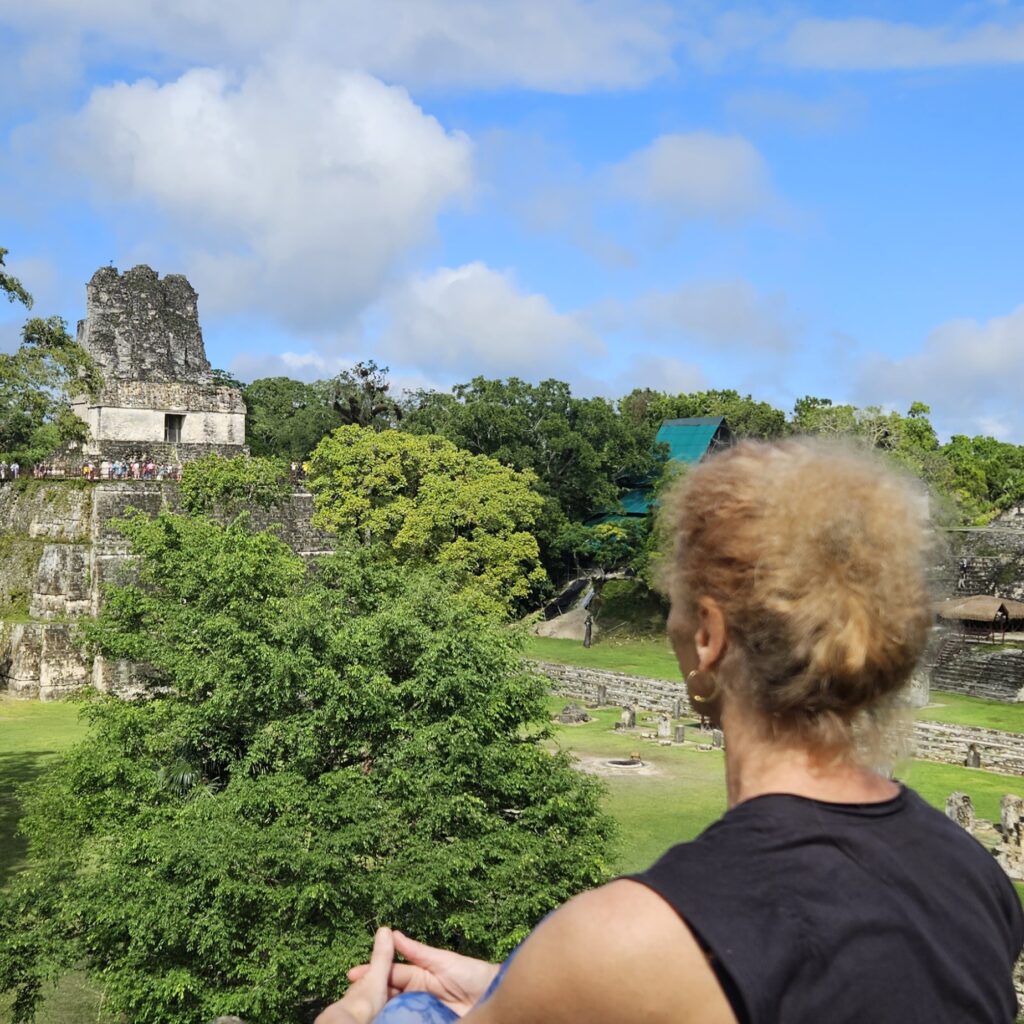
Our first stop was Flores, a charming town serving as a gateway to the ancient Maya ruins of Tikal. Tikal, nestled within a dense rainforest, welcomed us with towering pyramids, intricately carved stone structures, and sprawling plazas.
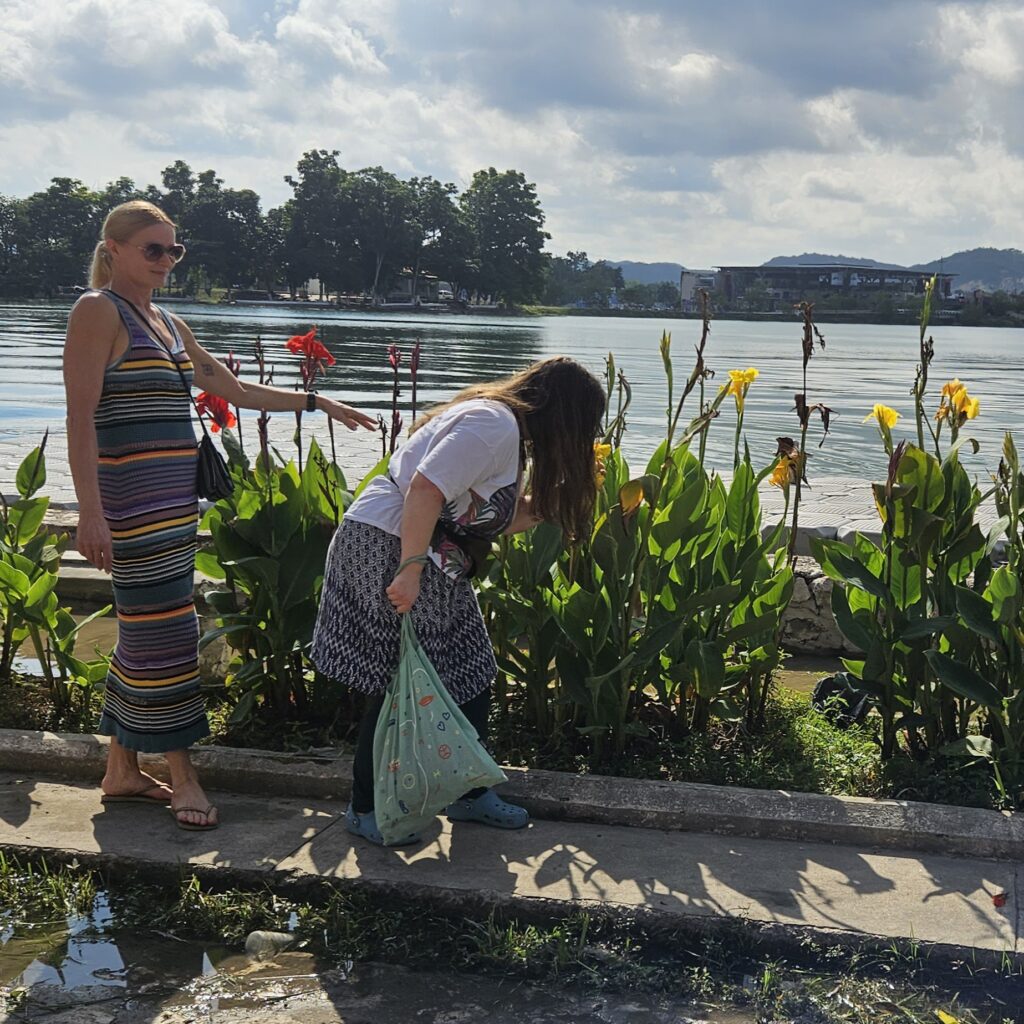
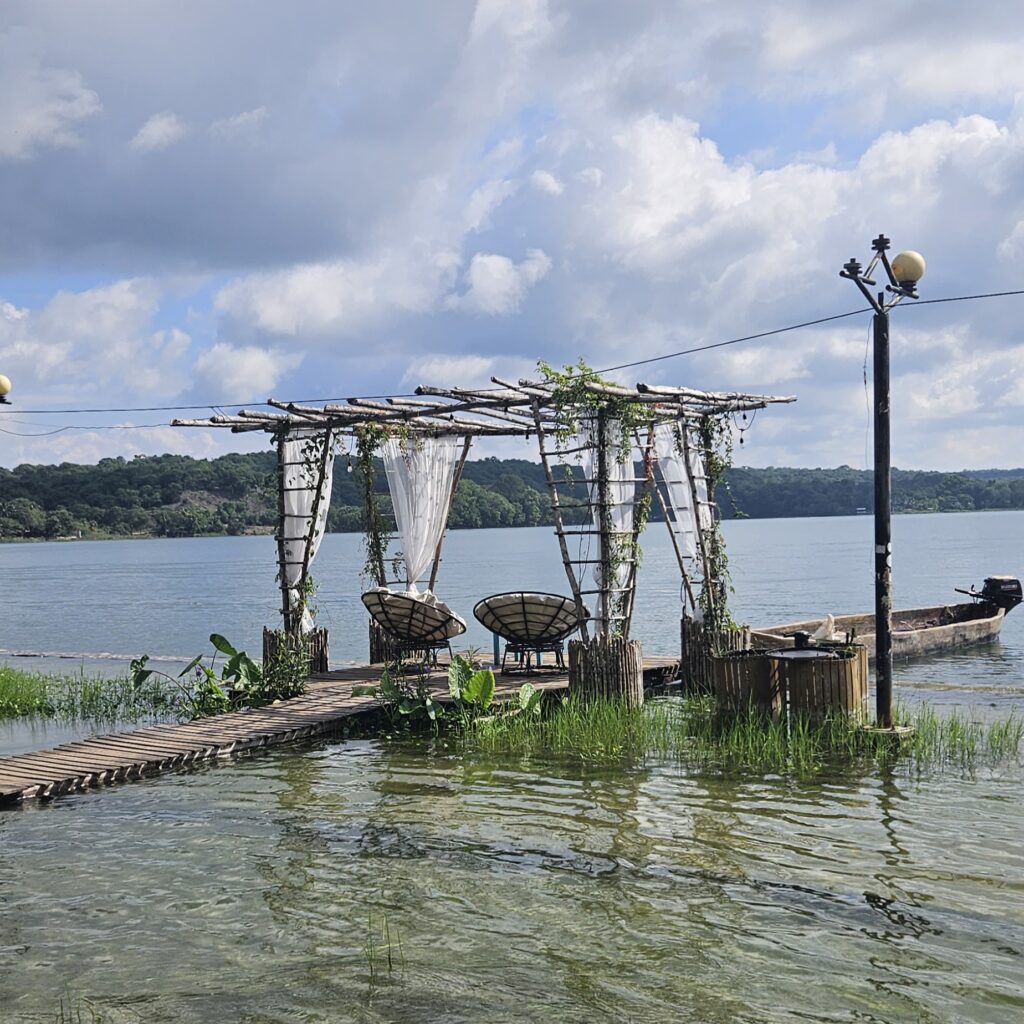
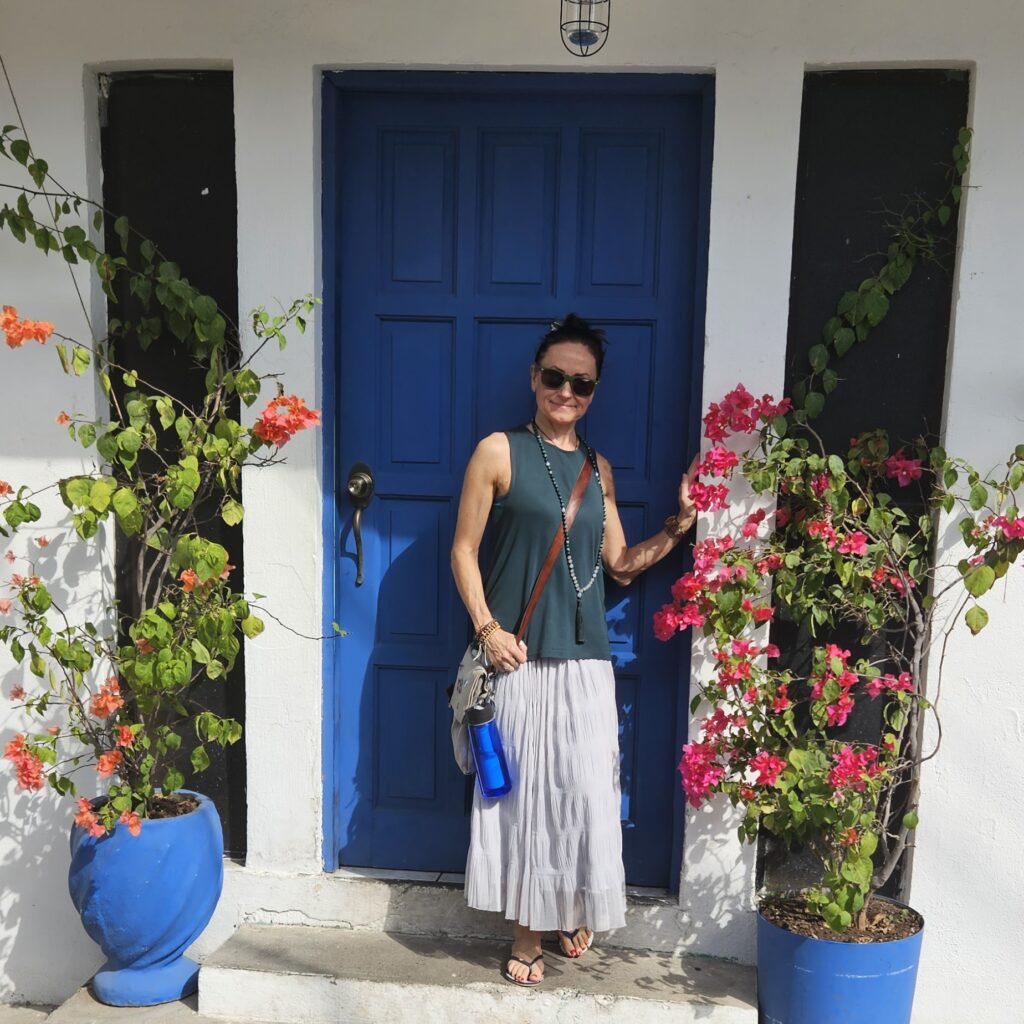
Tikal is the ruin of the ancient city, found in a rainforest in Guatemala. It is one of the largest archeological sites and urban centers of the pre-Columbian Maya civilization. It is located in the archeological region of the Peten, Tikal National Park, and in 1979 it was declared a UNESCO World Heritage Site. We stayed in Flores for 3 nights and took 2 trips to Tikal. Flores Island in Guatemala is located in Peten, one hour south of Tikal. It is surrounded by the third biggest lake in Guatemala, Lake Peten Itza.
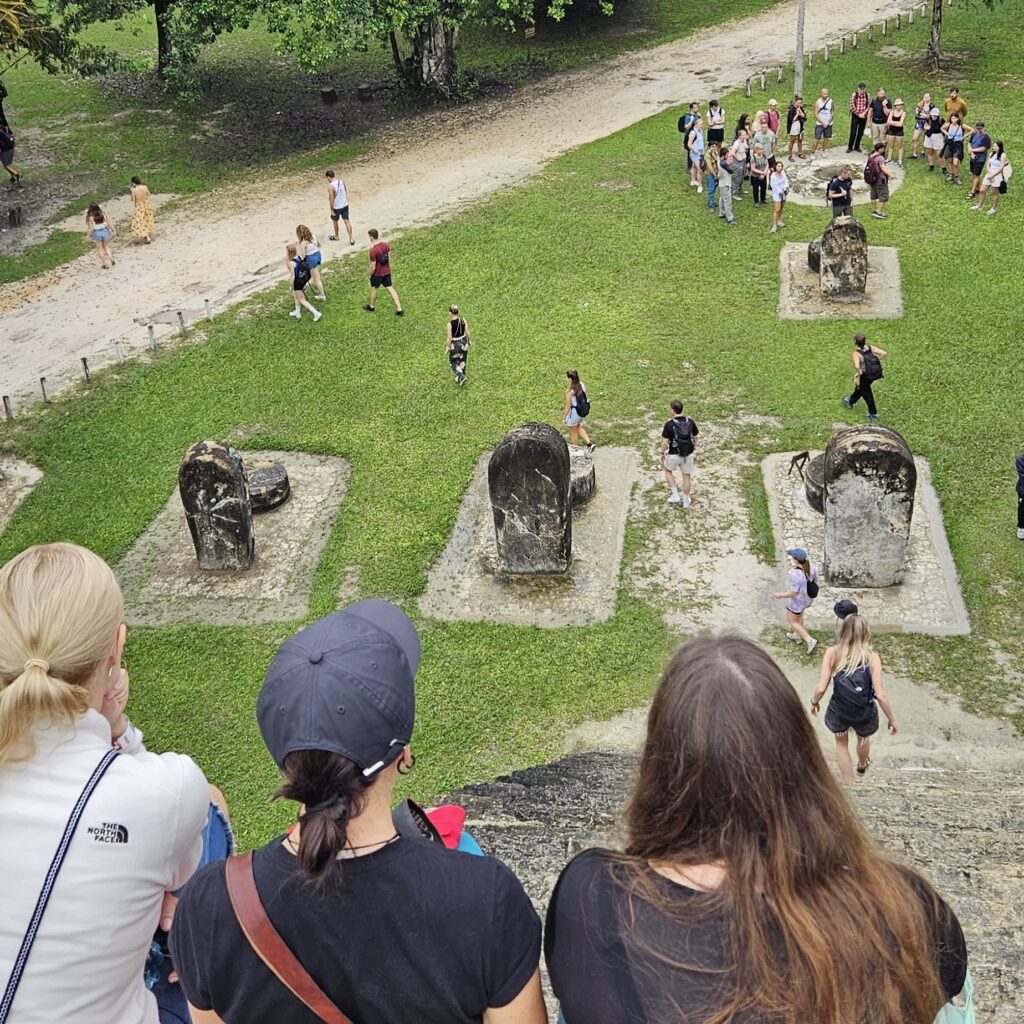
The picturesque town of Flores Guatemala offers you the chance to enjoy stunning landscapes and cultural activities, plus, it is the gateway to most of the archaeological Mayan parks around the area. This quiet Island is one of the 25 most colorful places in the world. It hosts a big concentration of restaurants, cafés, and pubs to keep you busy during your stay. Flores is the perfect place to relax for a couple of days, combining it with awesome things to do like exciting excursions to the Crib of the Mayas, one of the biggest civilizations in the history of the world.
We embarked on a local flight back to Guatemala City to meet the group.
Immersing Ourselves in Antigua's Culture and History
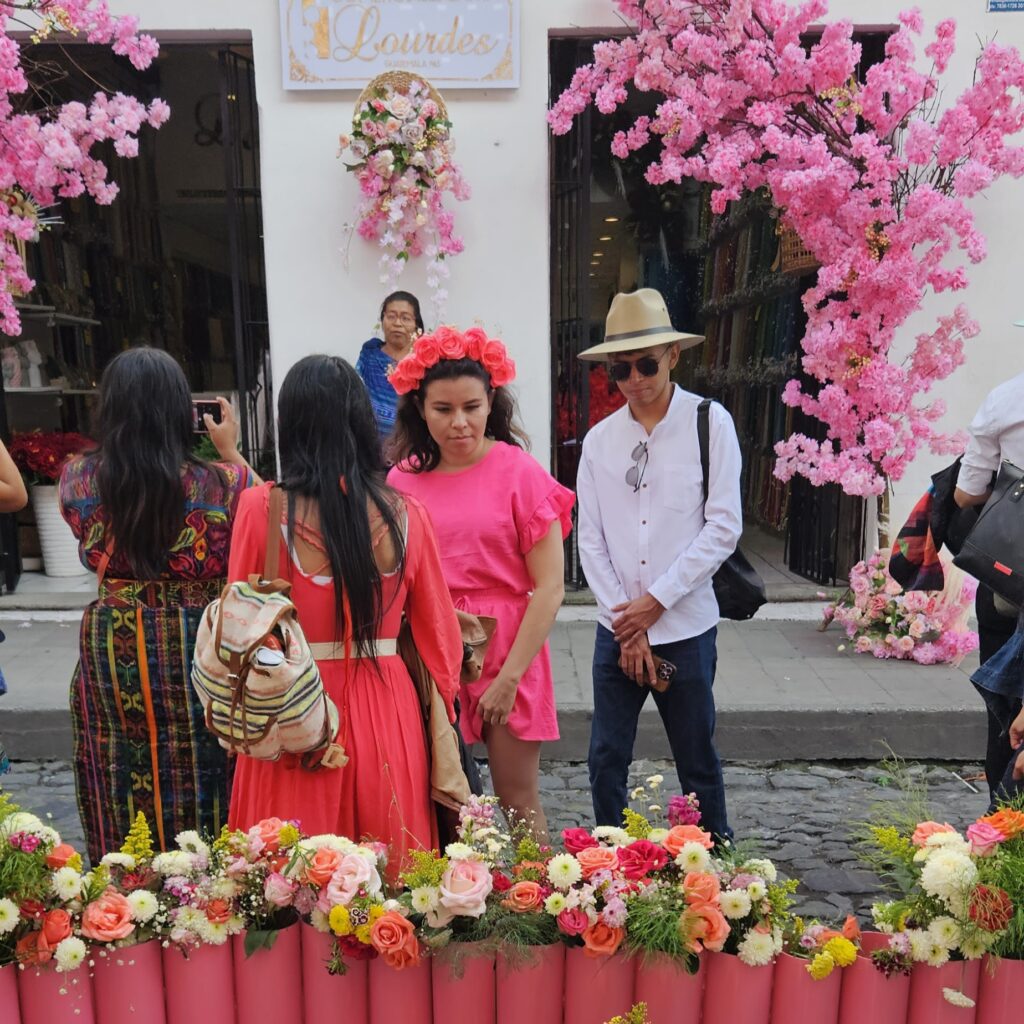
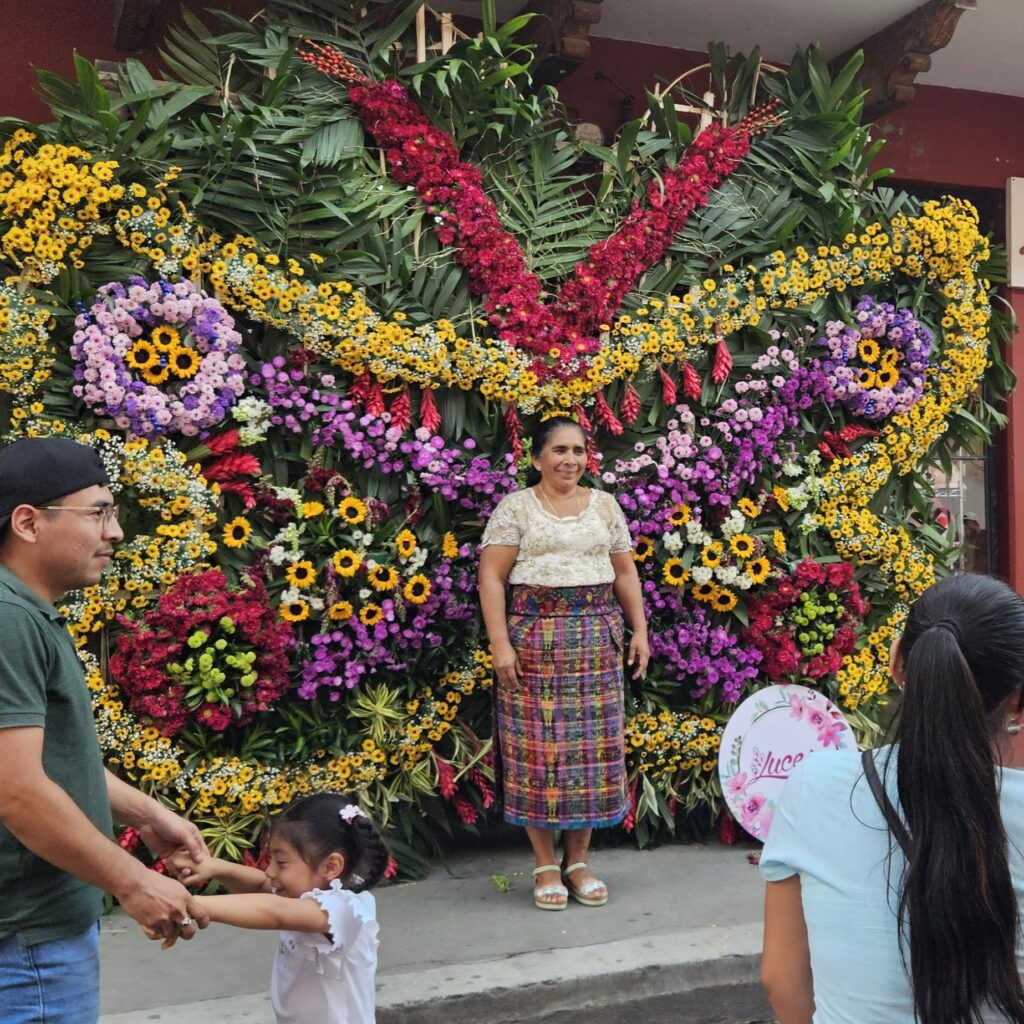
Our next destination was Antigua, a city renowned for its colonial architecture and vibrant culture. Arriving during the Flowers Festival, we were greeted by streets adorned with colorful blooms. We spent the afternoon visiting the local artisan market and strolling through cobblestone streets, savoring the rich history of this charming city. Antigua used to be the capital of Guatemala until a damaging earthquake caused a switch to Guatemala City. As harrowing as the earthquake must have been at that time, some of the remains of Antigua’s stunning colonial buildings still stand today.
Challenging Ourselves with the Acatenango Vulcano overnight hike
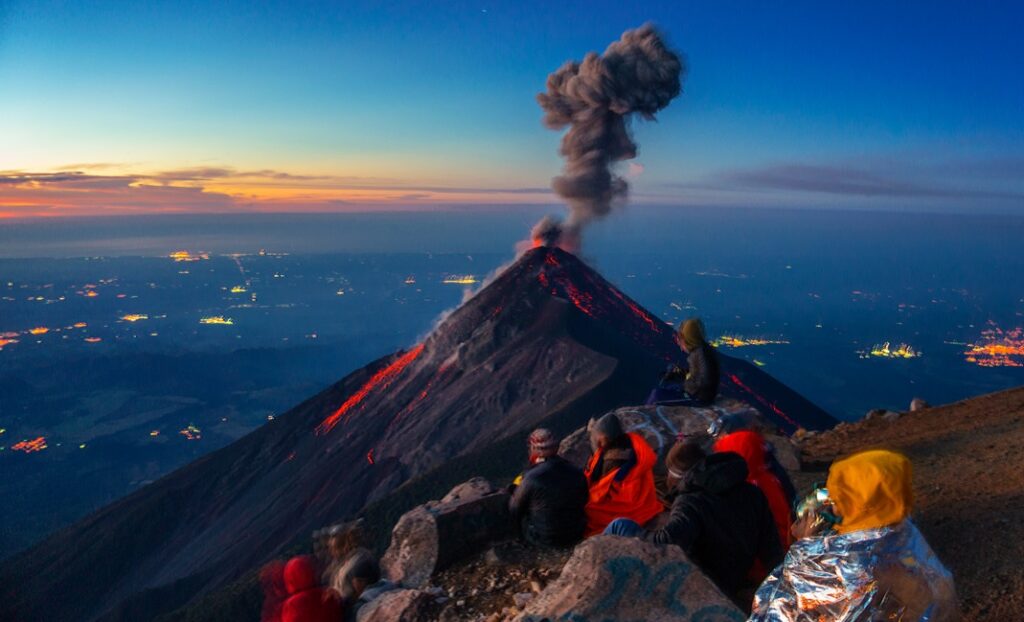
The highlight of our journey, however, awaited us atop the Acatenango Volcano. Setting out early from Antigua, we embarked on a challenging overnight hike through diverse ecosystems, each offering its unique charm. From verdant forests teeming with wildlife to barren volcanic terrain, the ascent tested our physical endurance and mental fortitude. But reaching the campsite at 3600 meters was a moment of triumph, rewarded with sweeping views of the Antigua Valley and the fiery eruptions of nearby Volcan Fuego.
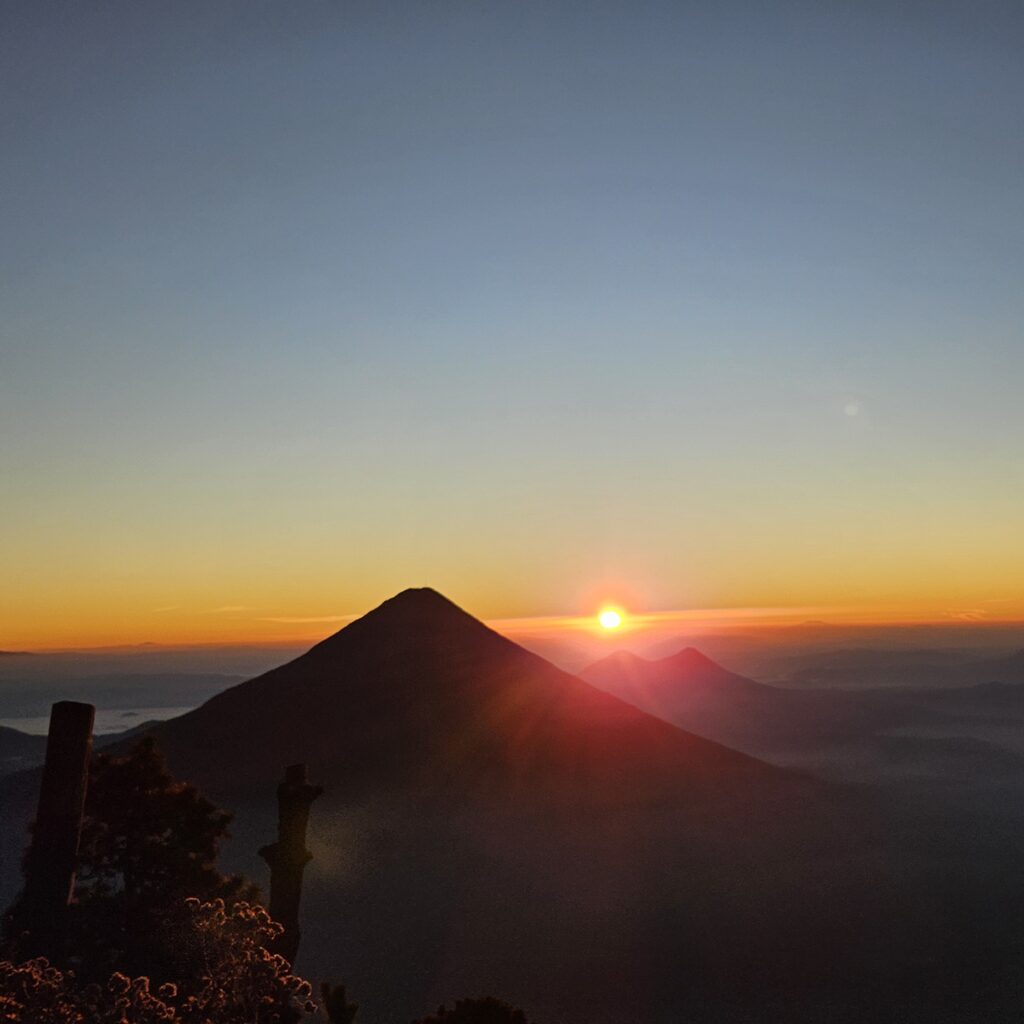
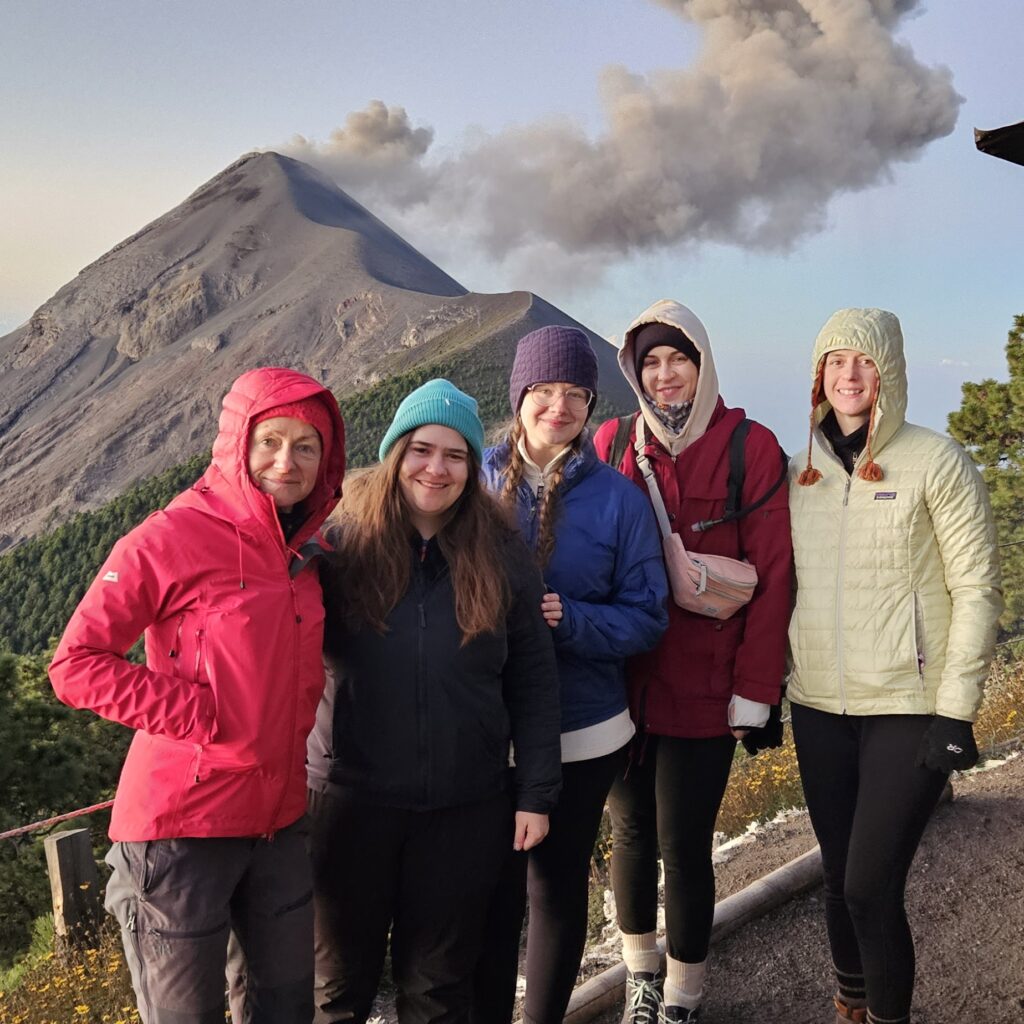
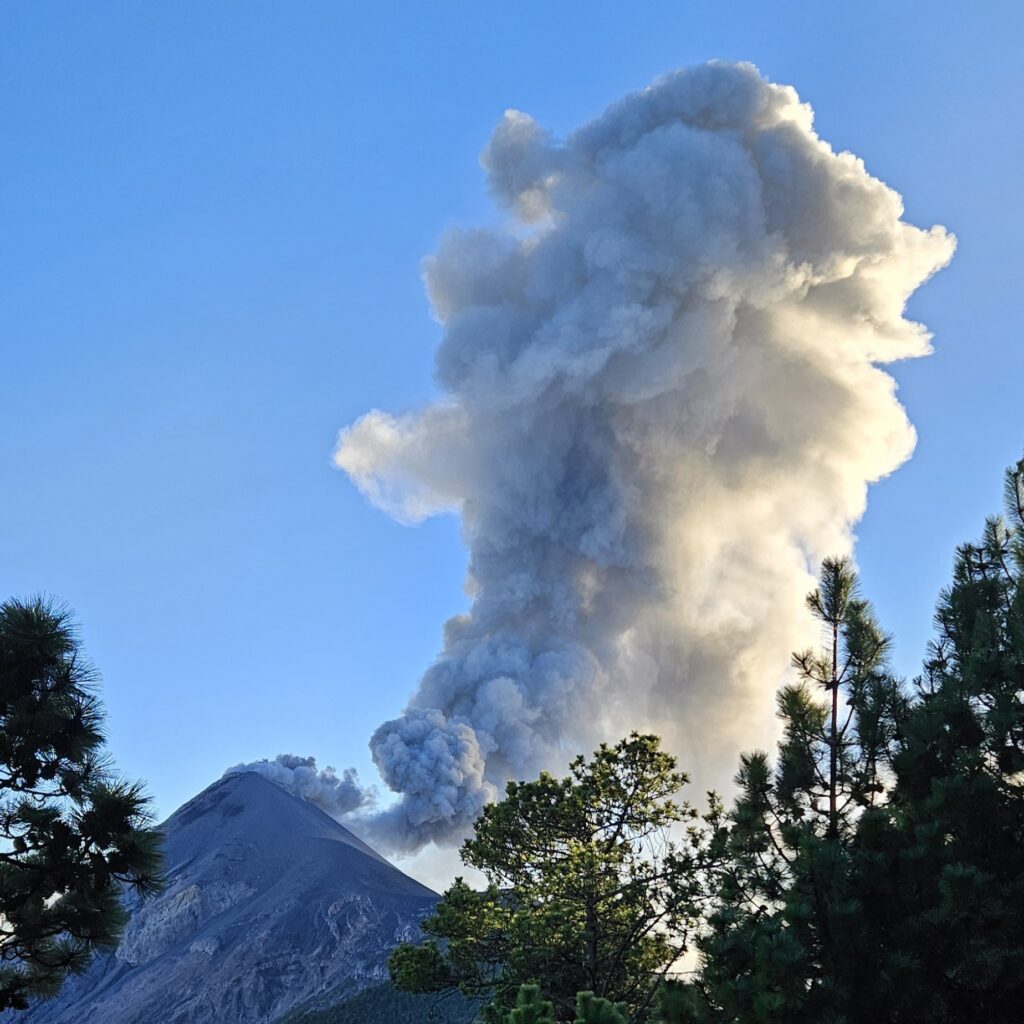
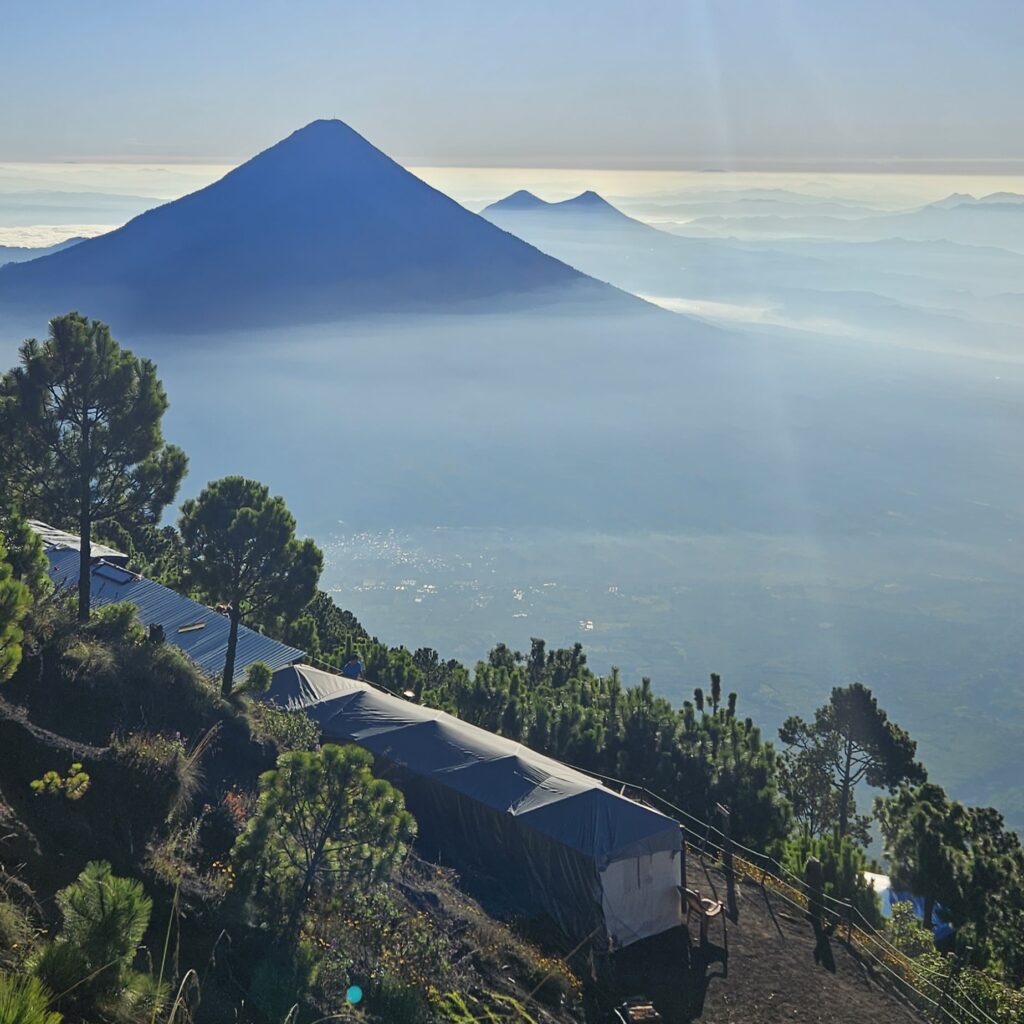
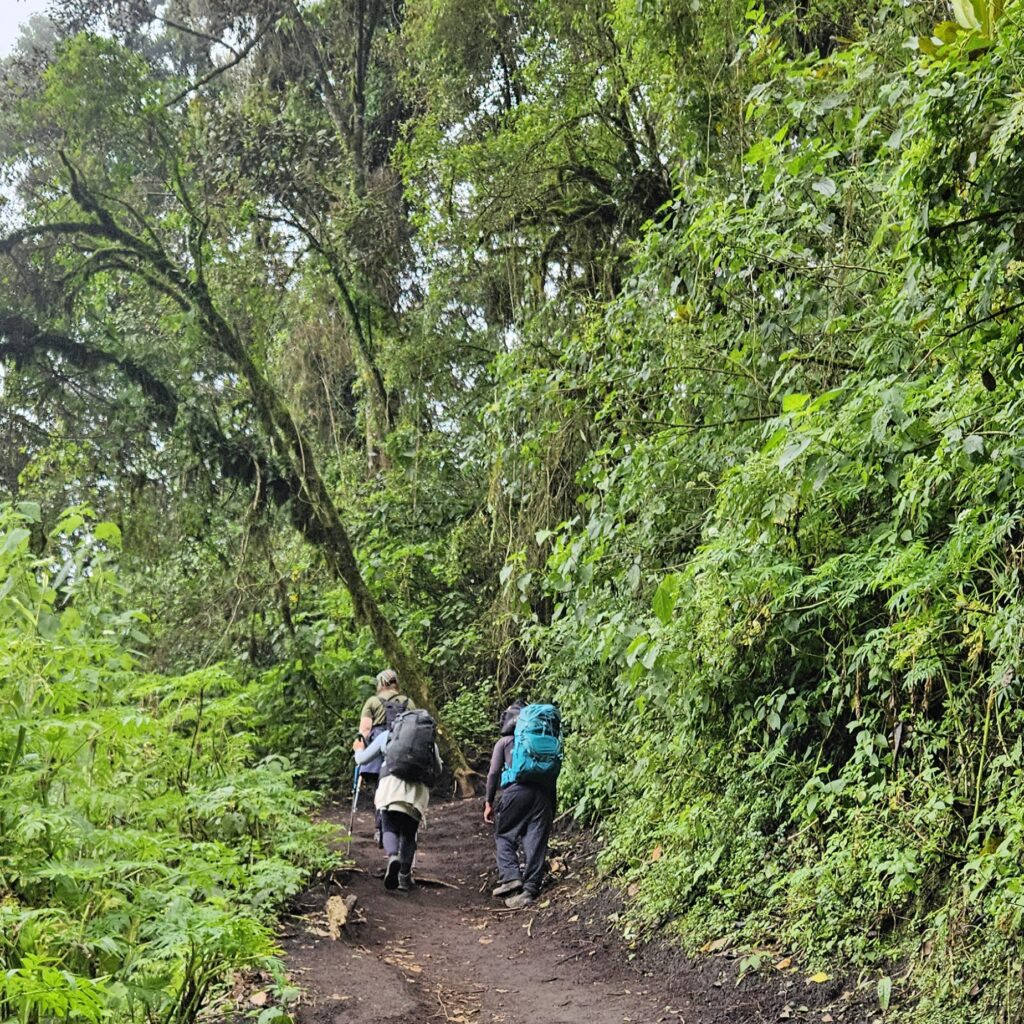
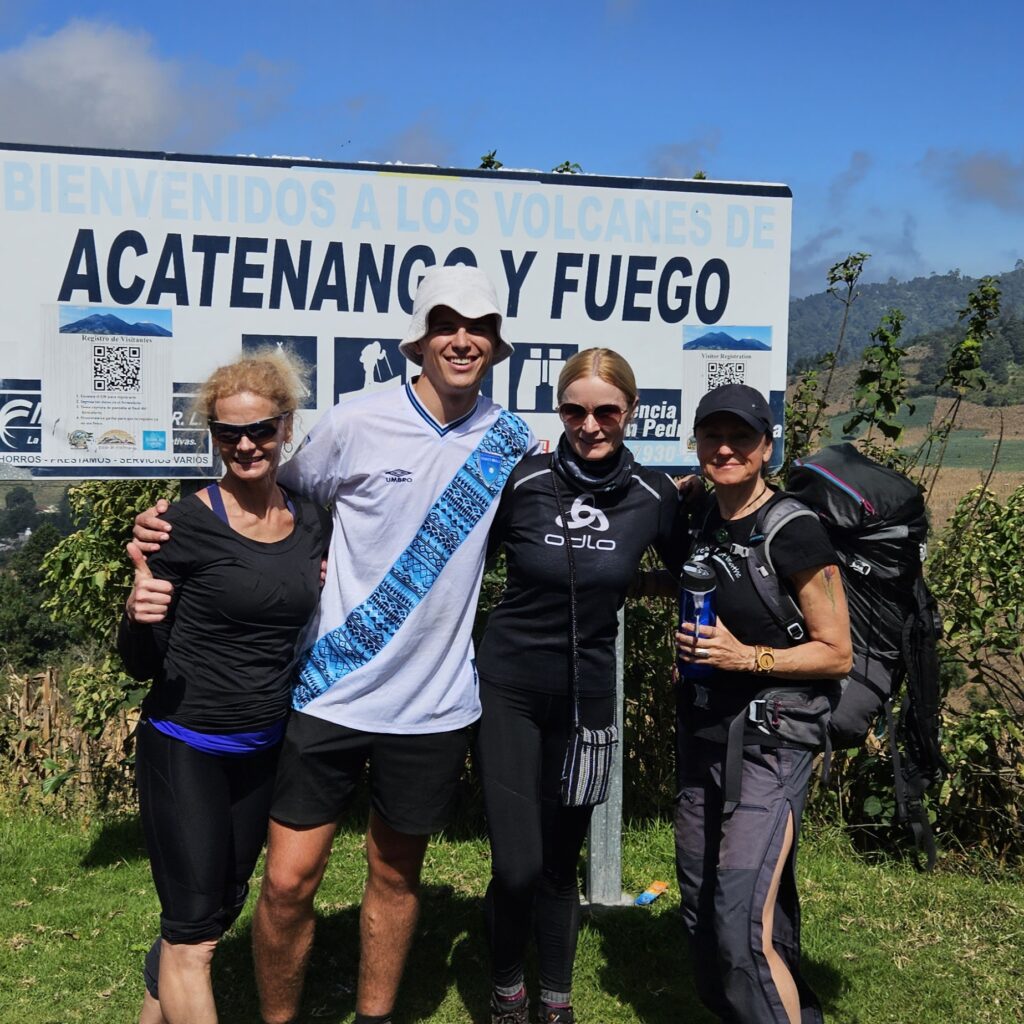
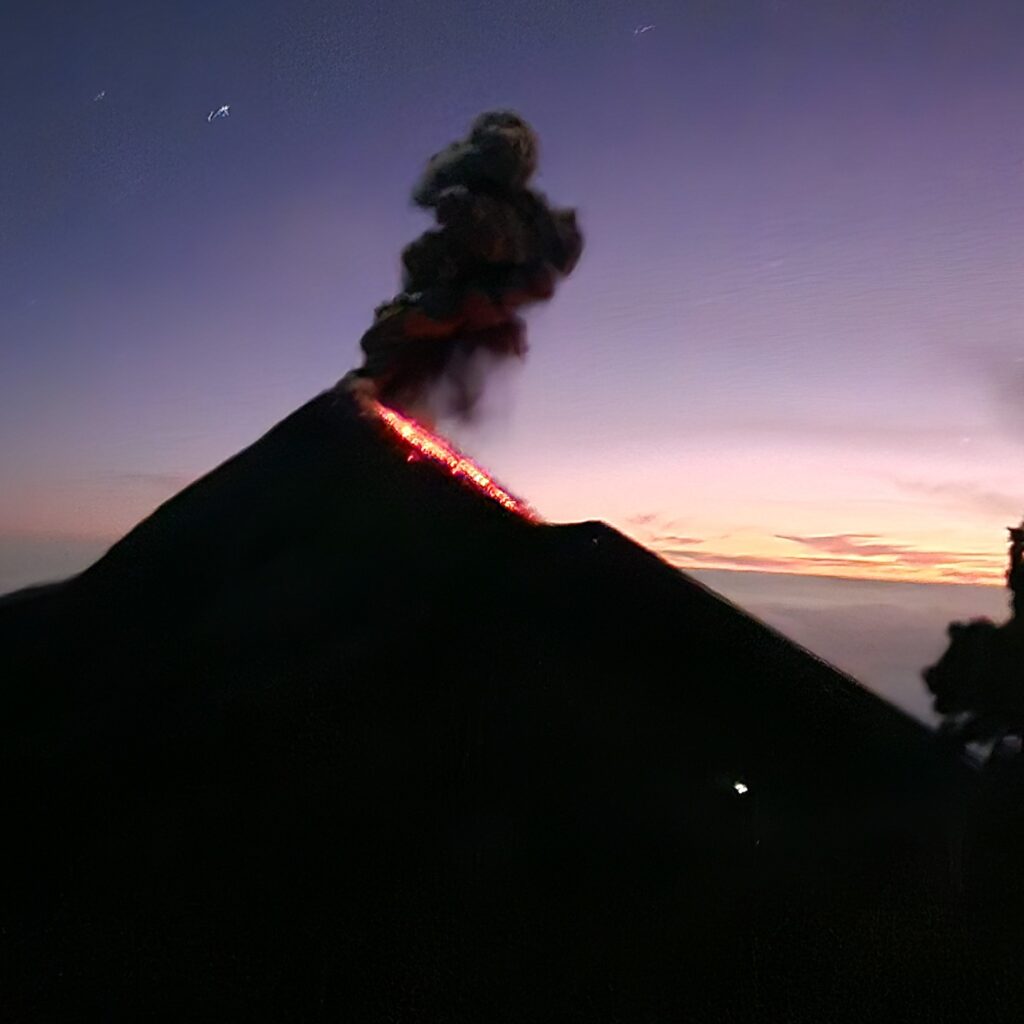
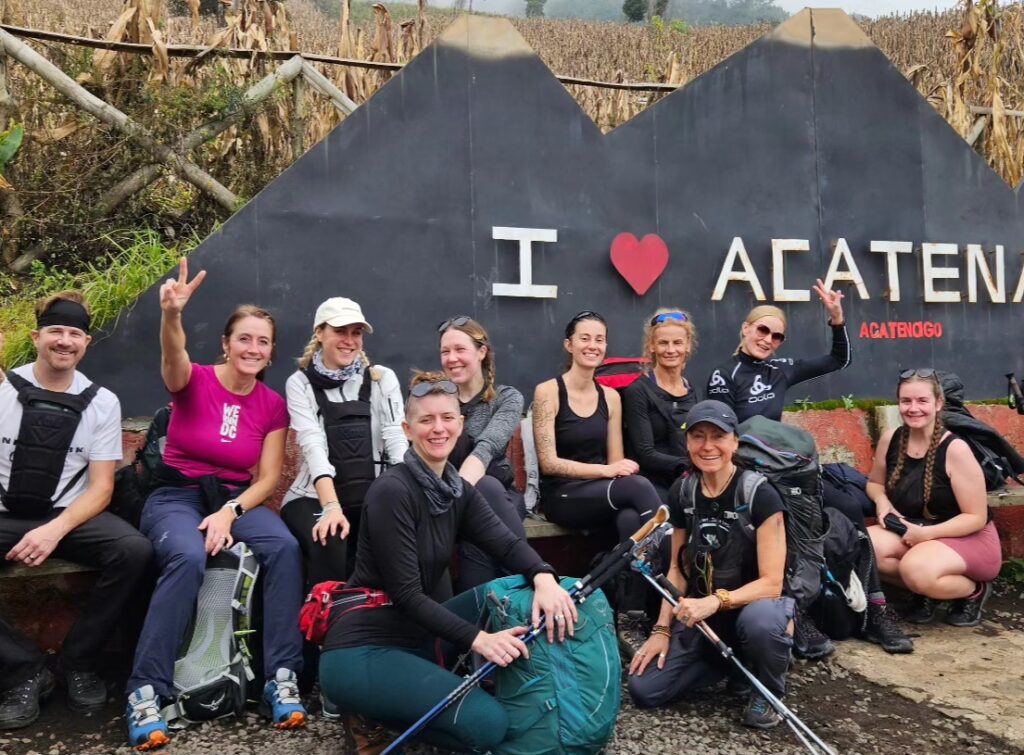
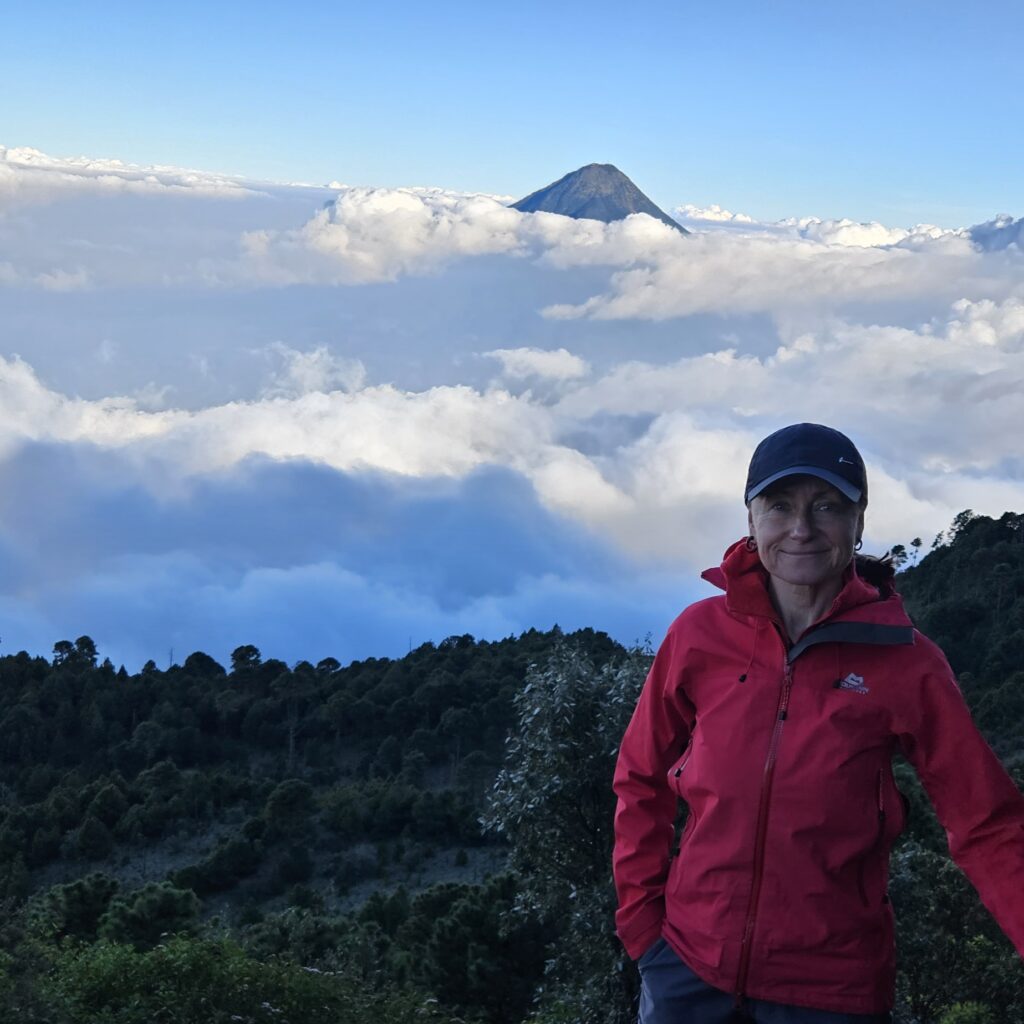
At dawn, we stood in awe atop Acatenango, witnessing a sunrise that painted the sky in hues of gold and pink. The panoramic views of Volcan Fuego, the Antigua Valley, and the distant Guatemalan highlands left us breathless, a testament to the raw beauty of nature. Descending back to Antigua, we savored a well-deserved rest, shower, and delicious dinner, reflecting on the challenges overcome and the bonds forged.
Rejuvenating with Yoga and Retreat Activities at Lake Atitlan
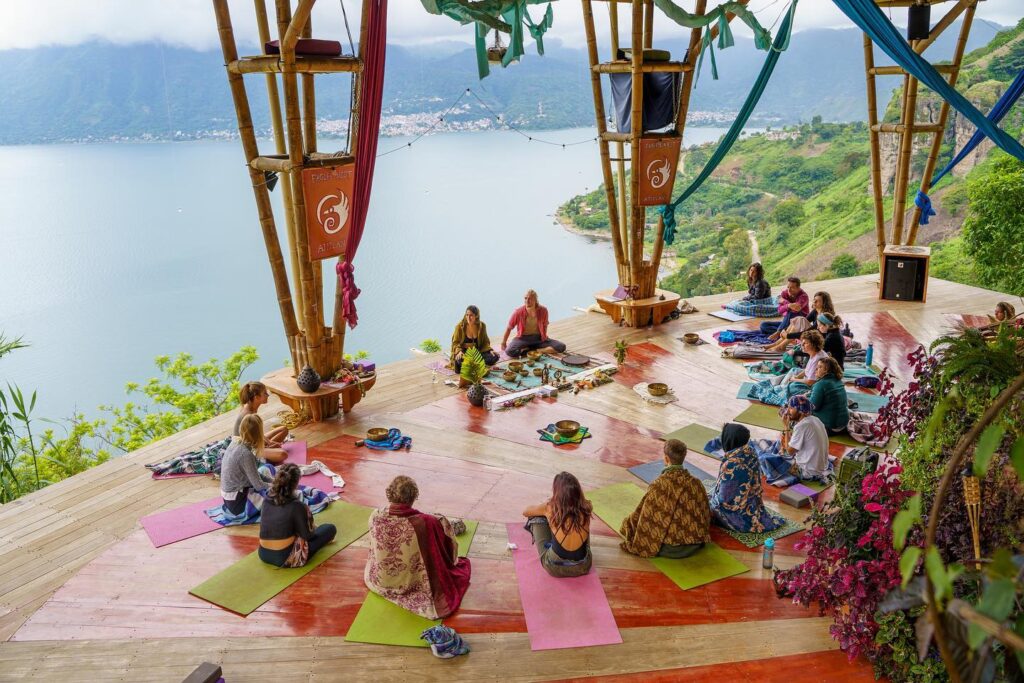
Our journey was far from over as we made our way to Eagles Nest by the shores of Lake Atitlan, a tranquil sanctuary nestled amidst verdant hills and azure waters. Here, we surrendered to the rhythm of yoga, ecstatic dance, and nourishing vegetarian cuisine, finding solace in the embrace of nature and community. Lake Atitlán sits at an altitude of just over 1550 meters above sea level. The surrounding Lake Atitlan is world-renowned for its Cacao and Coffee plantations.
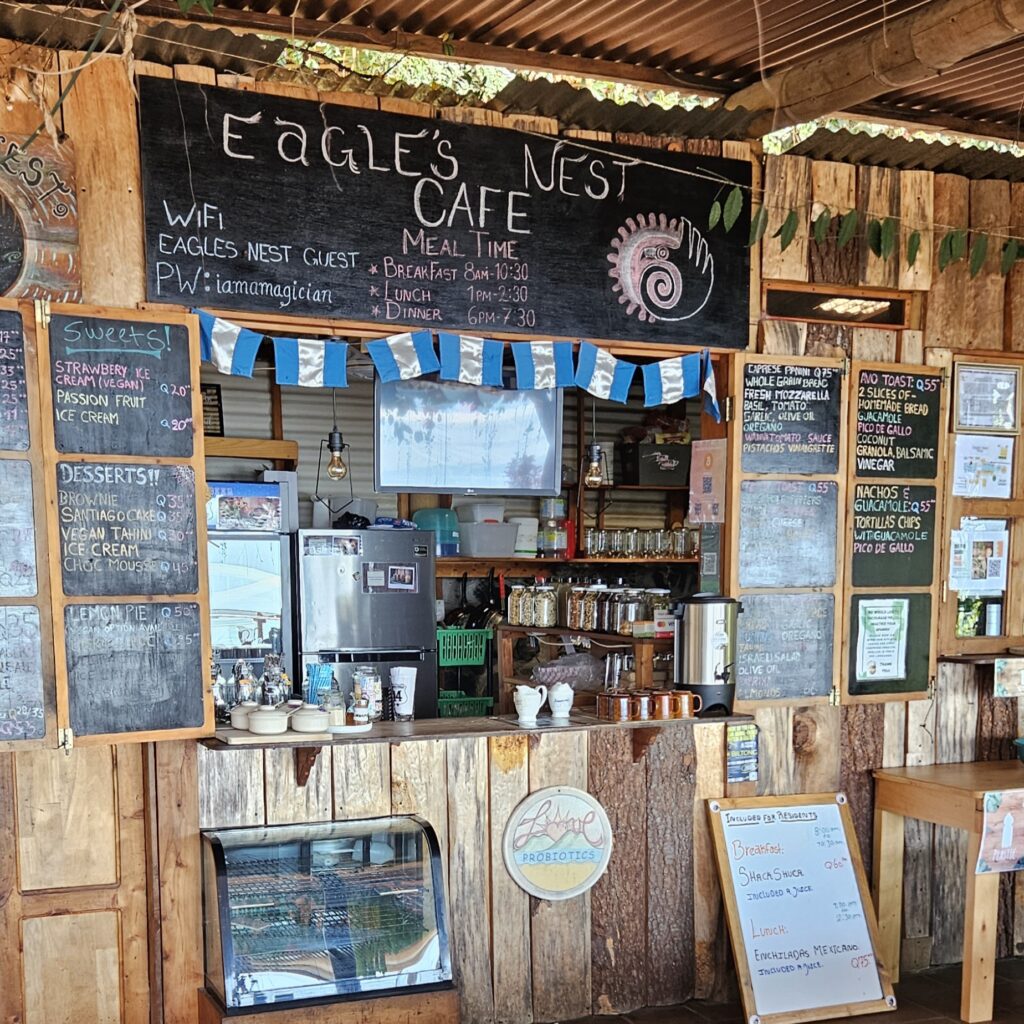
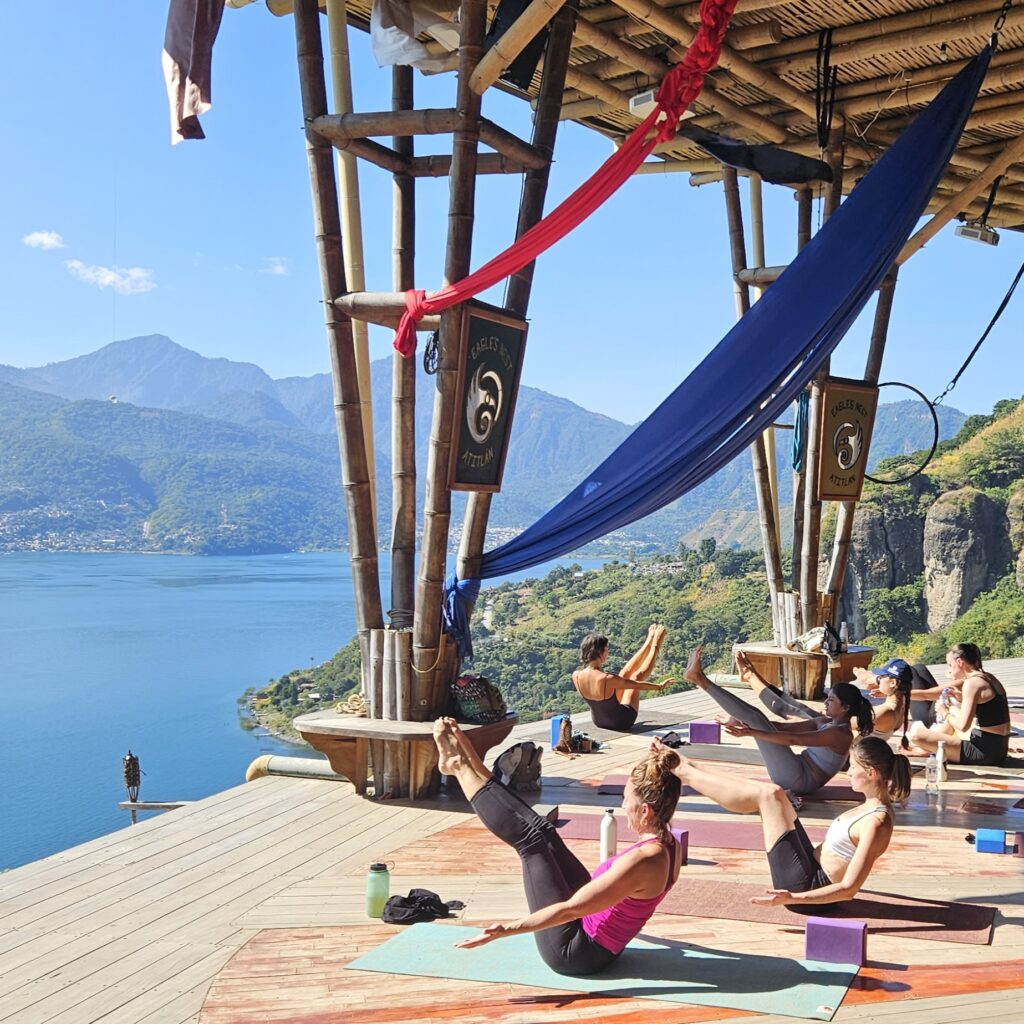
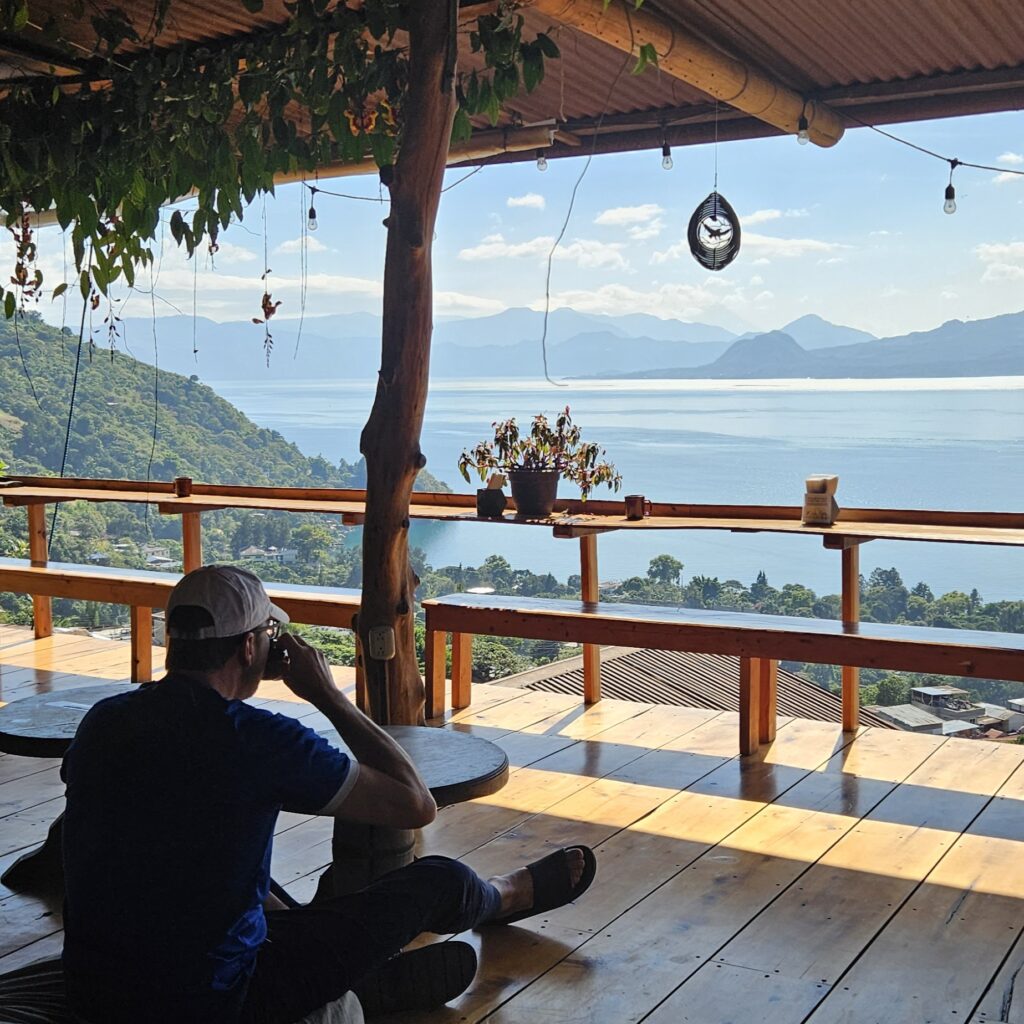
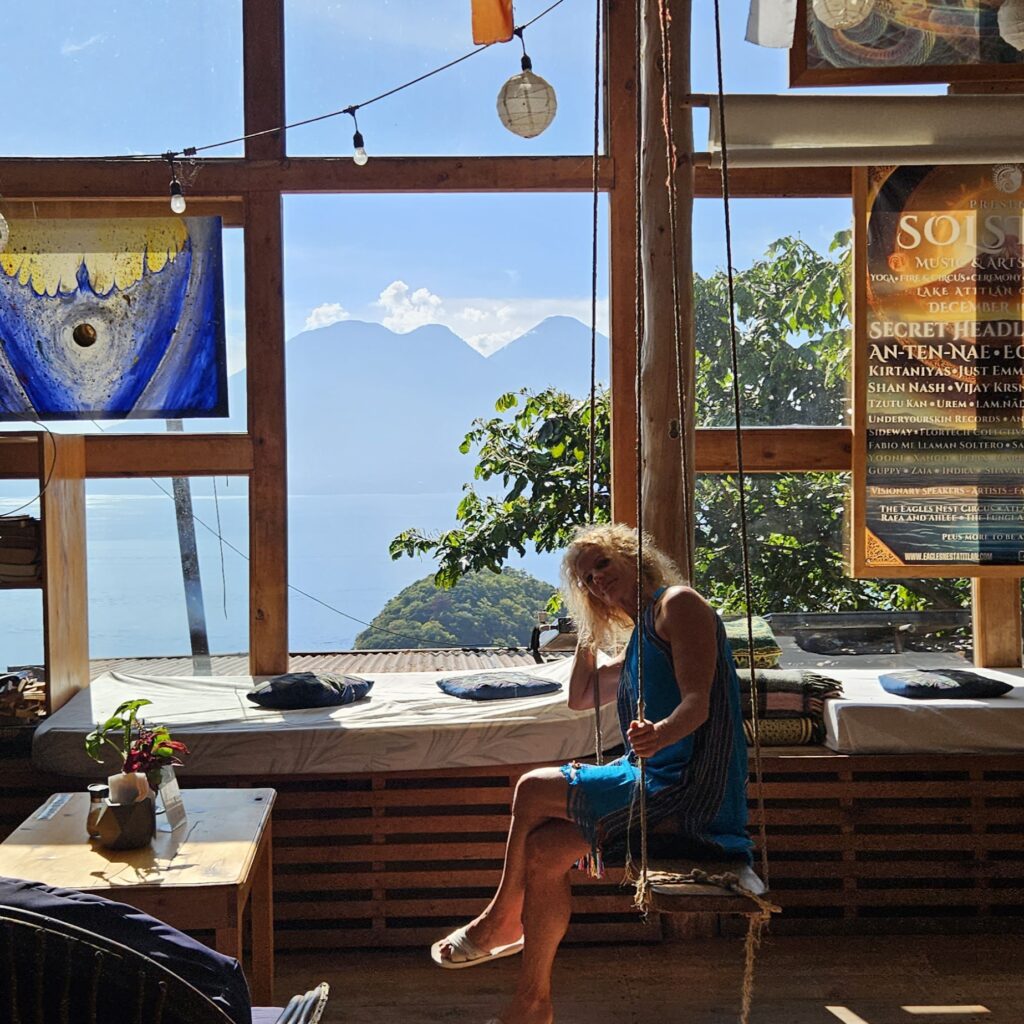
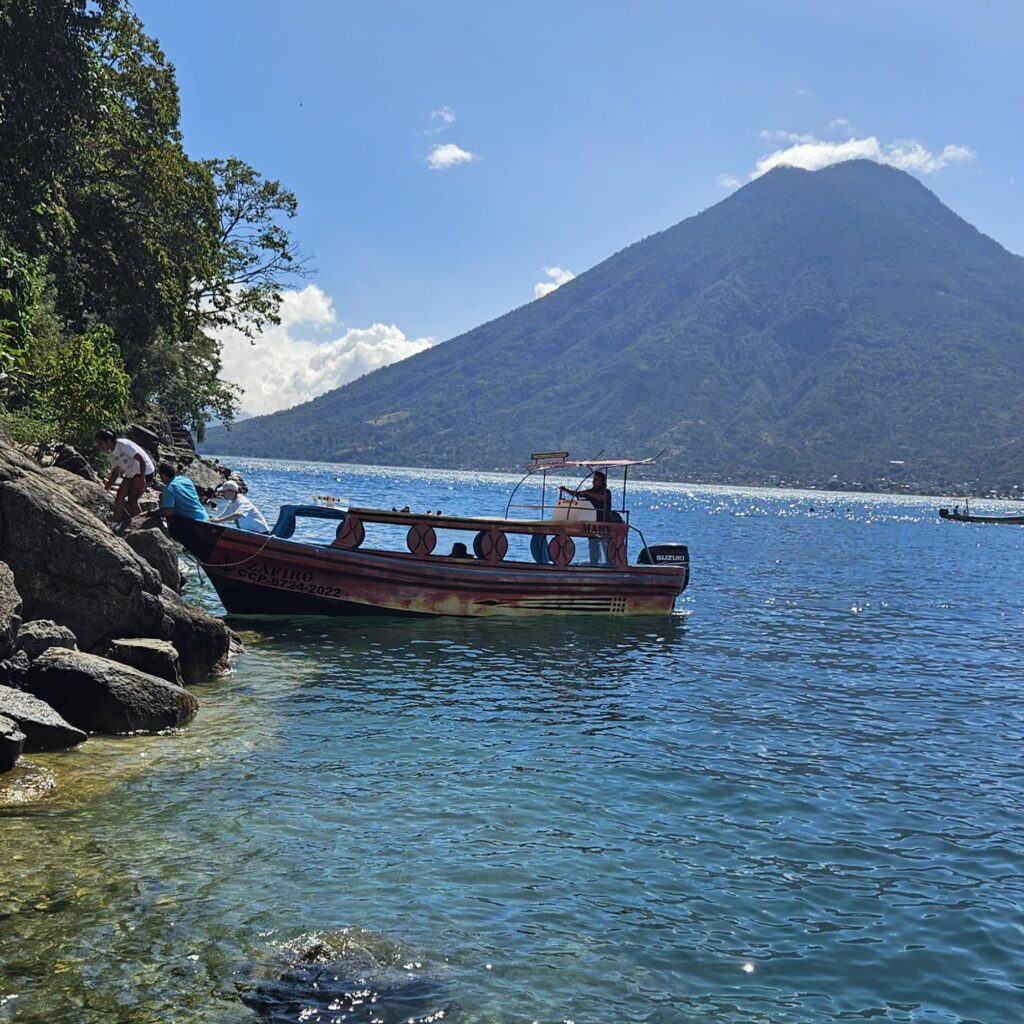
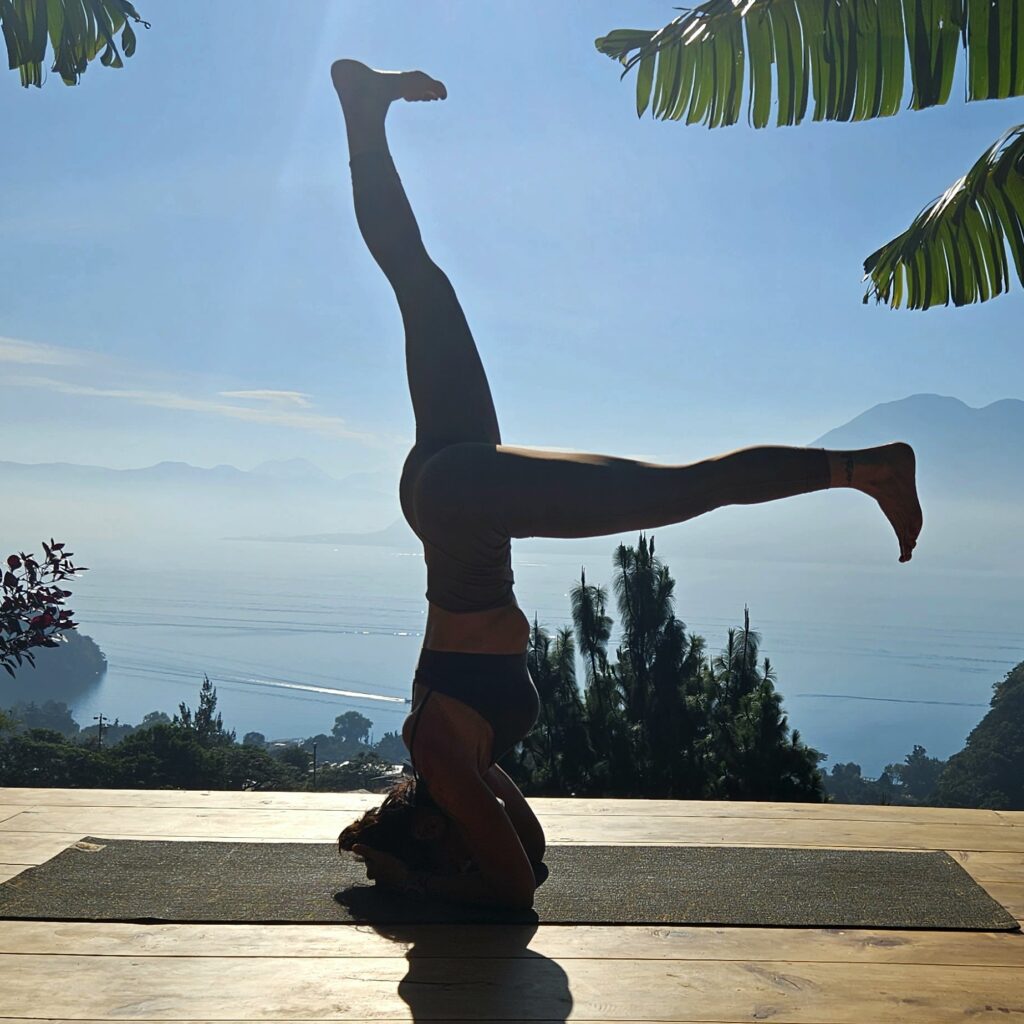
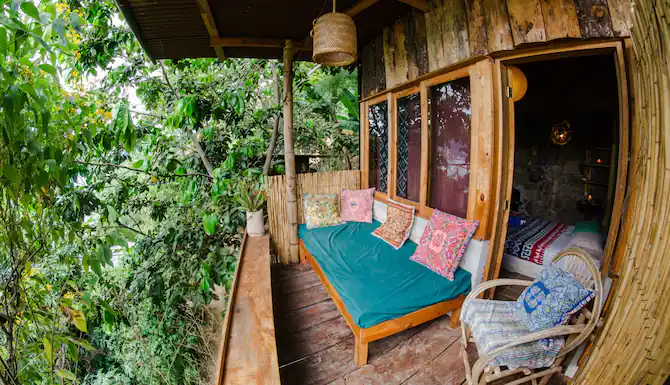
Arriving at Eagles Nest by Lake Atitlan was like coming to paradise. Eagle's Nest is an awe-inspiring ecological resort and world-class event venue for transformational growth and adventure travelers, artists, and digital nomads. There we indulged in yoga, ecstatic dance, and nourishing vegetarian cuisine. Each day began with yoga classes overlooking the tranquil waters of Lake Atitlan, where we were blessed to witness majestic flights of eagles soaring gracefully overhead, adding to the serenity of our practice. Afterward, we savored delicious meals, all while enjoying the breathtaking views that surrounded us, enhancing our moments of relaxation and introspection.
Mayan Cacao Ceremony
One of the most profound experiences during our retreat in Guatemala was the Sacred Mayan Cacao Ceremony, a spiritual ritual deeply rooted in ancient traditions. Guided by a local shaman, we gathered in a sacred circle around a fire, surrounded by the intoxicating aroma of freshly brewed cacao.
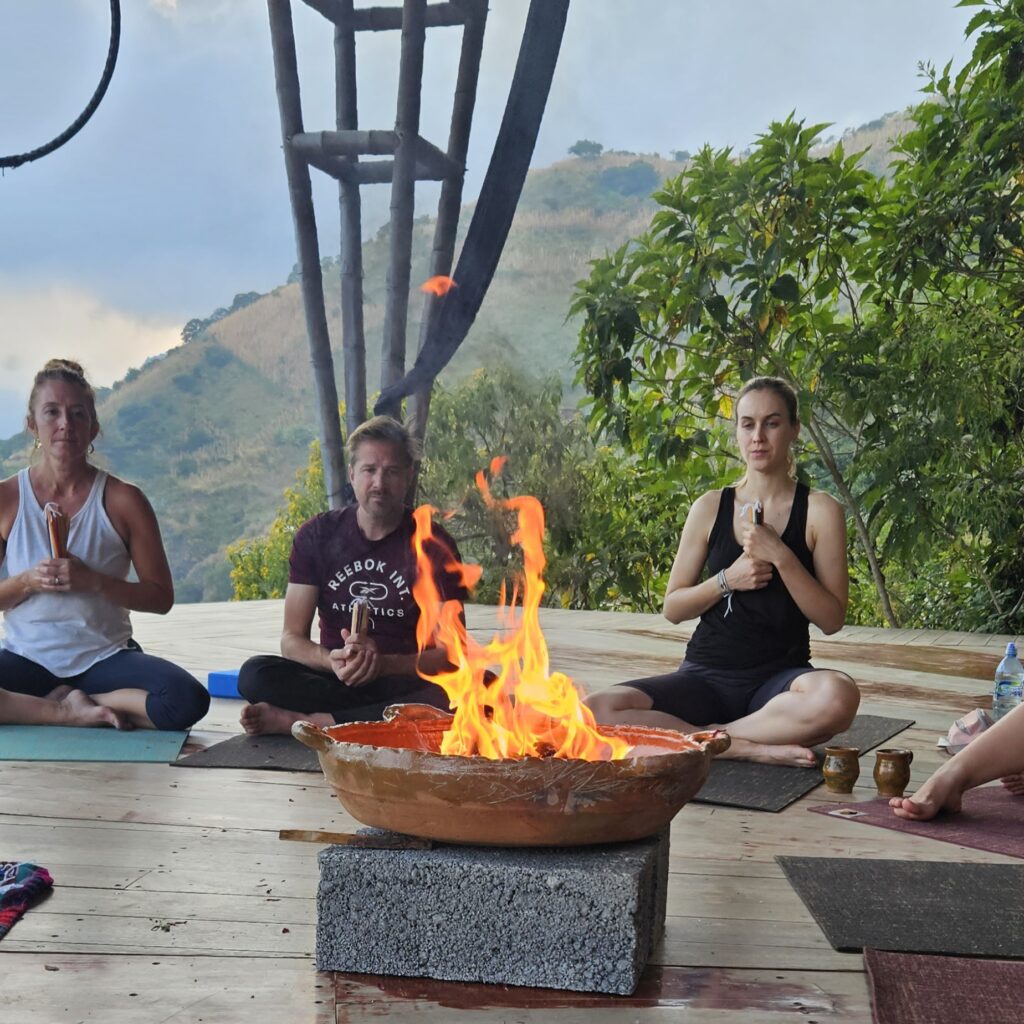
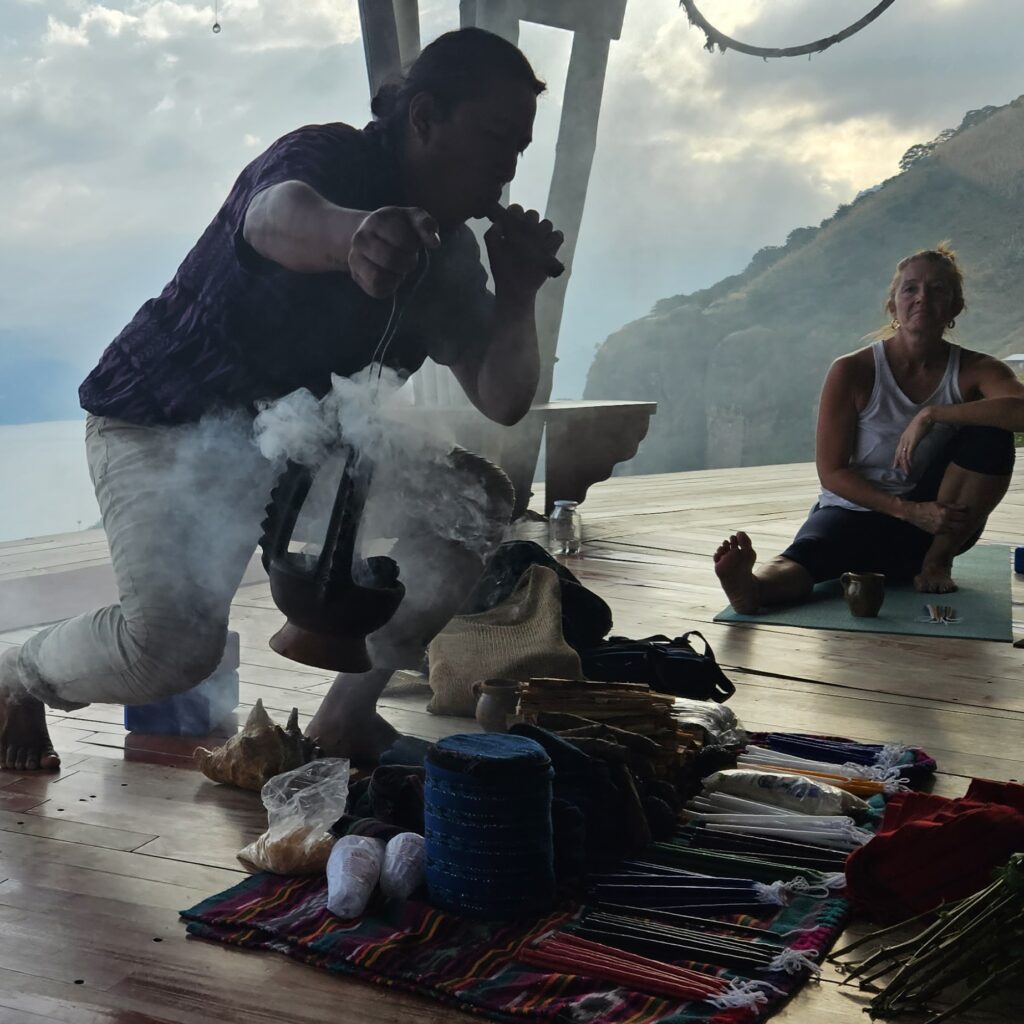
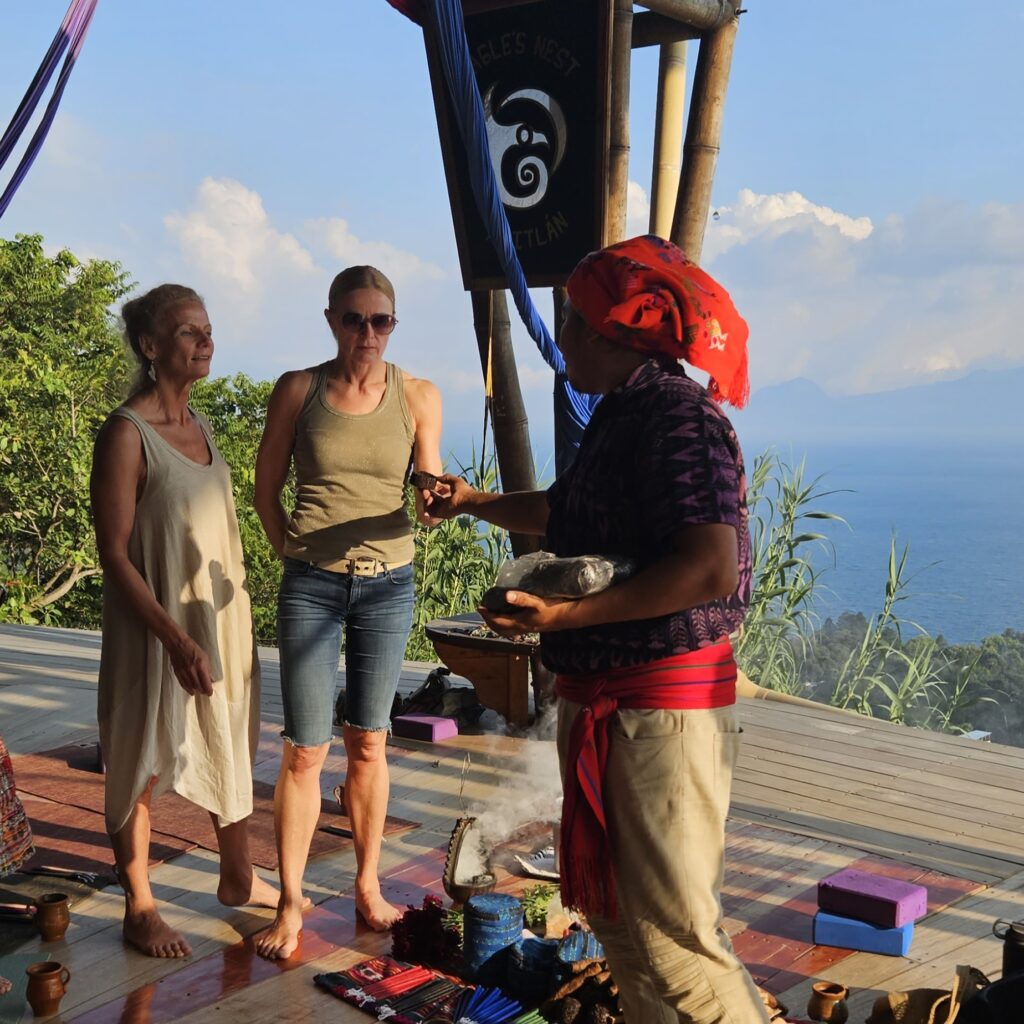
As the ceremony drew to a close, we emerged renewed and rejuvenated, our hearts overflowing with gratitude and love. The Sacred Mayan Cacao Ceremony touched us in ways we never imagined, leaving an indelible imprint on our souls and deepening our connection to ourselves, each other, and the world around us.
Waking to Tzununa and Waterfall Hike
Our exploration extended to the Tzununa permaculture farm, where we learned about fermentation at Love Probiotics. Sampling tangy sauerkrauts and fizzy kombuchas, we embraced the health benefits of probiotic foods and beverages.
Love Probiotics produce healthy, live, locally sourced, fermented probiotic foods and beverages (various types of raw sauerkrauts, raw vinegar, organic black, green, and white tea kombuchas, ginger beer, sparkling water kefirs, jun tea, organic kefir yogurt, Lacto-fermented hot sauce, super-food bliss balls, sourdough bread and more!), and they also offer a variety of hands-on fermentation workshops. After a long day of walking to Tzununa and hiking to the local waterfall, we took a boat back to San Marcos La Laguna, enjoying a relaxing 15-minute ride with picturesque views of the surrounding landscapes.
Witnessing the Spectacular Sunrise from Indian Nose
As our journey in Guatemala continued, we eagerly anticipated the sunrise hike to Indian Nose, also known as Mayan Nose or Face, a towering mountain perched on the northwest shore of Lake Atitlan. Setting out before dawn, our group embarked on the ascent of Indian Nose, guided by the local guide and the faint glow of the early morning sky. The path wound its way upwards, snaking through dense foliage and rocky outcrops, each step bringing us closer to the summit and the promise of an unforgettable sunrise.
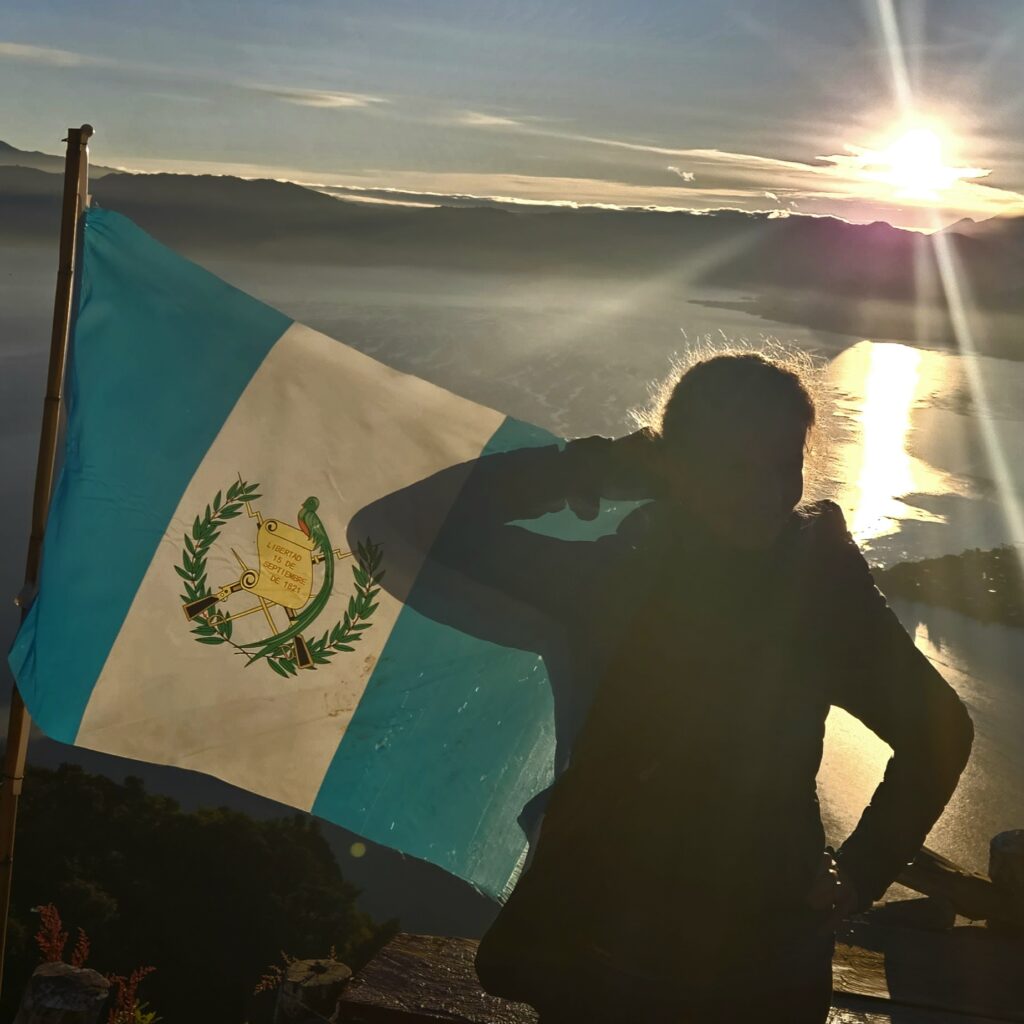
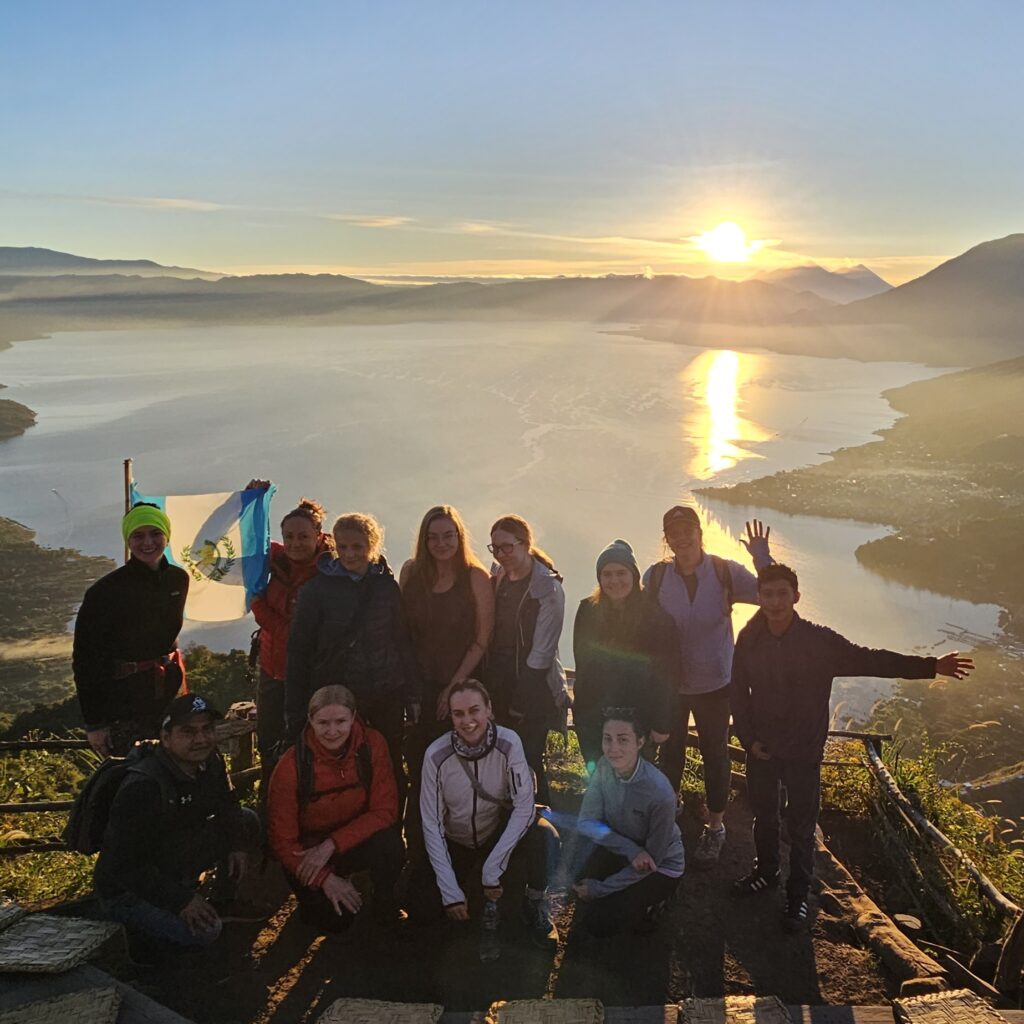
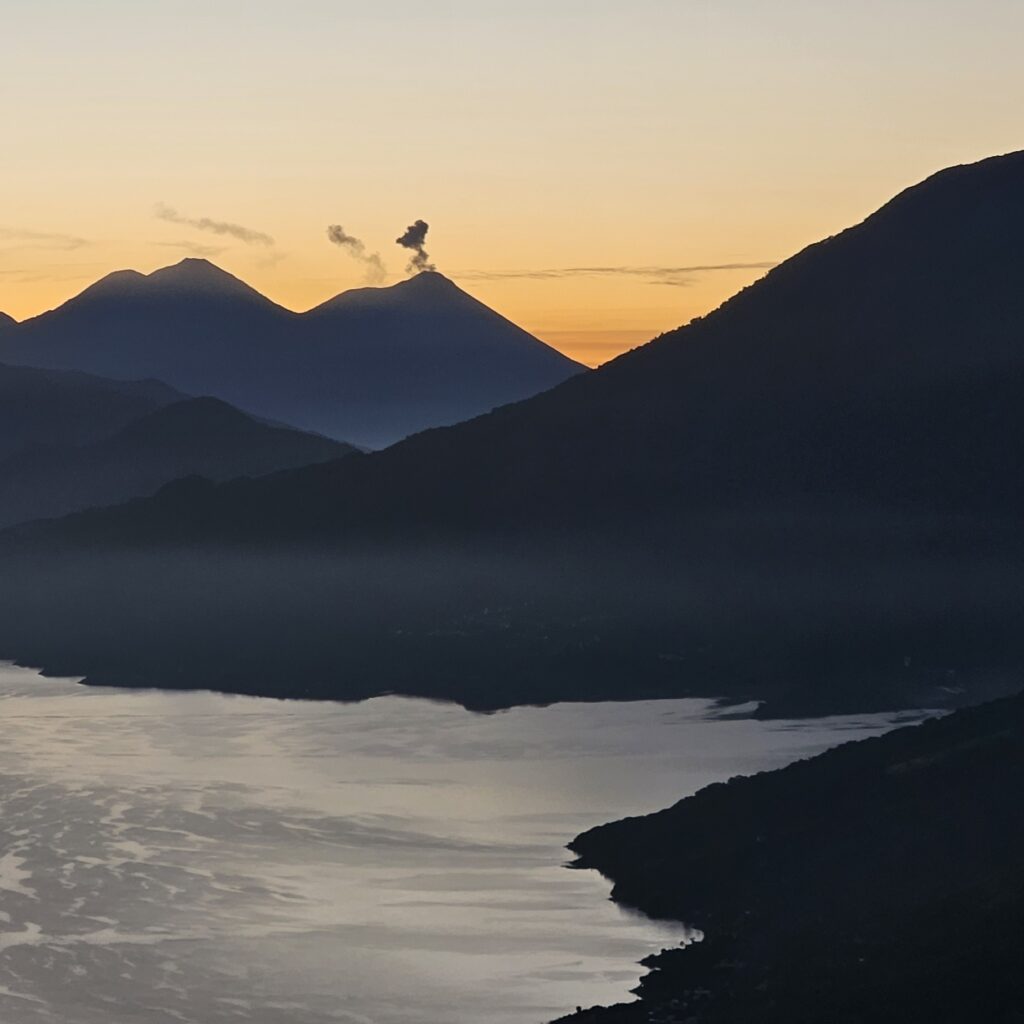
After a brisk climb lasting approximately 30 to 45 minutes, we reached the summit of Indian Nose, greeted by panoramic views that stretched as far as the eye could see. Before us, a chain of volcanoes stood sentinel, their silhouettes etched against the canvas of the dawn sky. Below, the pristine waters of Lake Atitlan shimmered in the first light of day, casting a spellbinding glow upon the landscape.
Soaring Above Panajachel: Paragliding Adventure
Panajachel, affectionately known as Pana, served as the backdrop for one of the most exhilarating experiences of our journey – paragliding. Nestled on the shores of Lake Atitlan and surrounded by towering volcanoes, this vibrant town captivated us with its eclectic mix of culture, cuisine, and natural beauty.
With experienced instructors guiding us every step of the way, we soared high above Panajachel, the wind rushing past us as we marveled at the panoramic views below. From our vantage point in the sky, we were treated to a bird's-eye view of the San Pedro, Tolimán, and Atitlán volcanoes, their majestic peaks rising in the distance. Below, the shimmering waters of Lake Atitlan stretched out before us, framed by lush greenery and the bustling town of Panajachel.
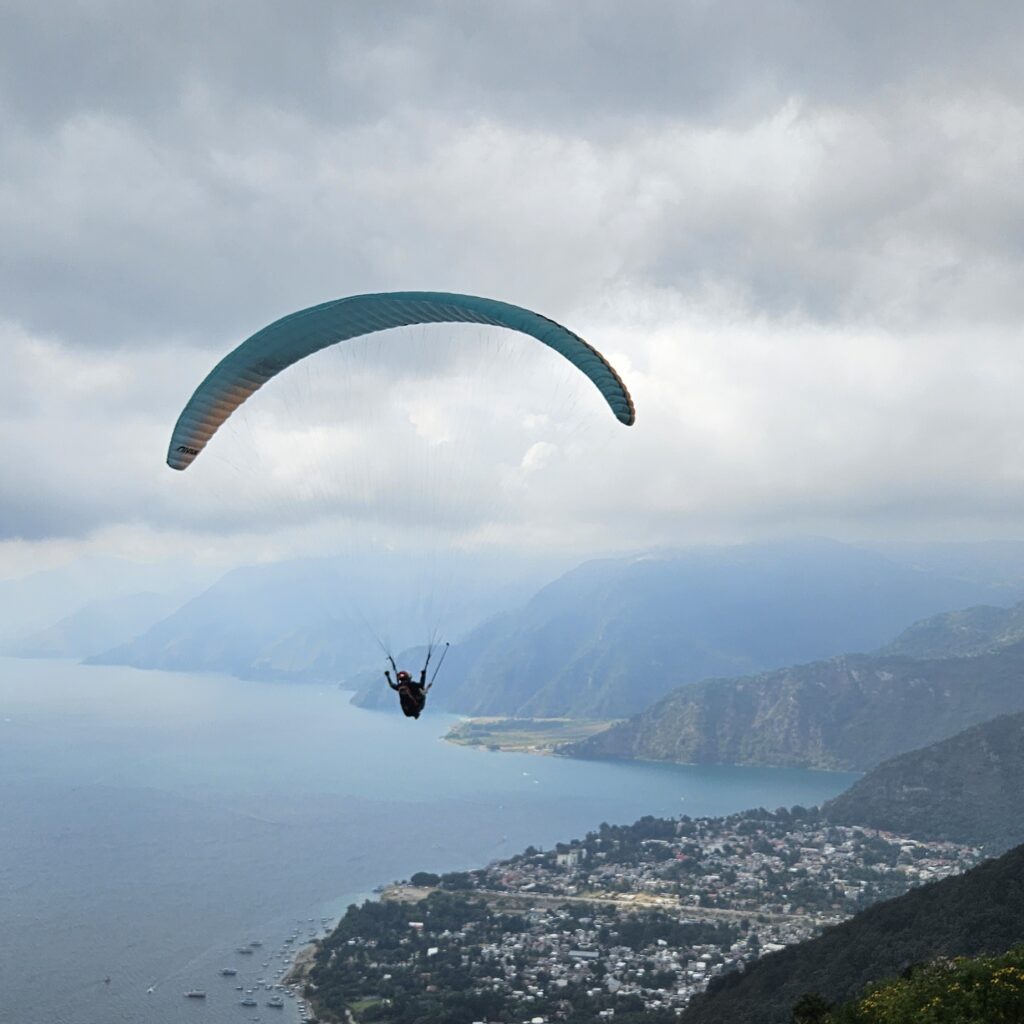
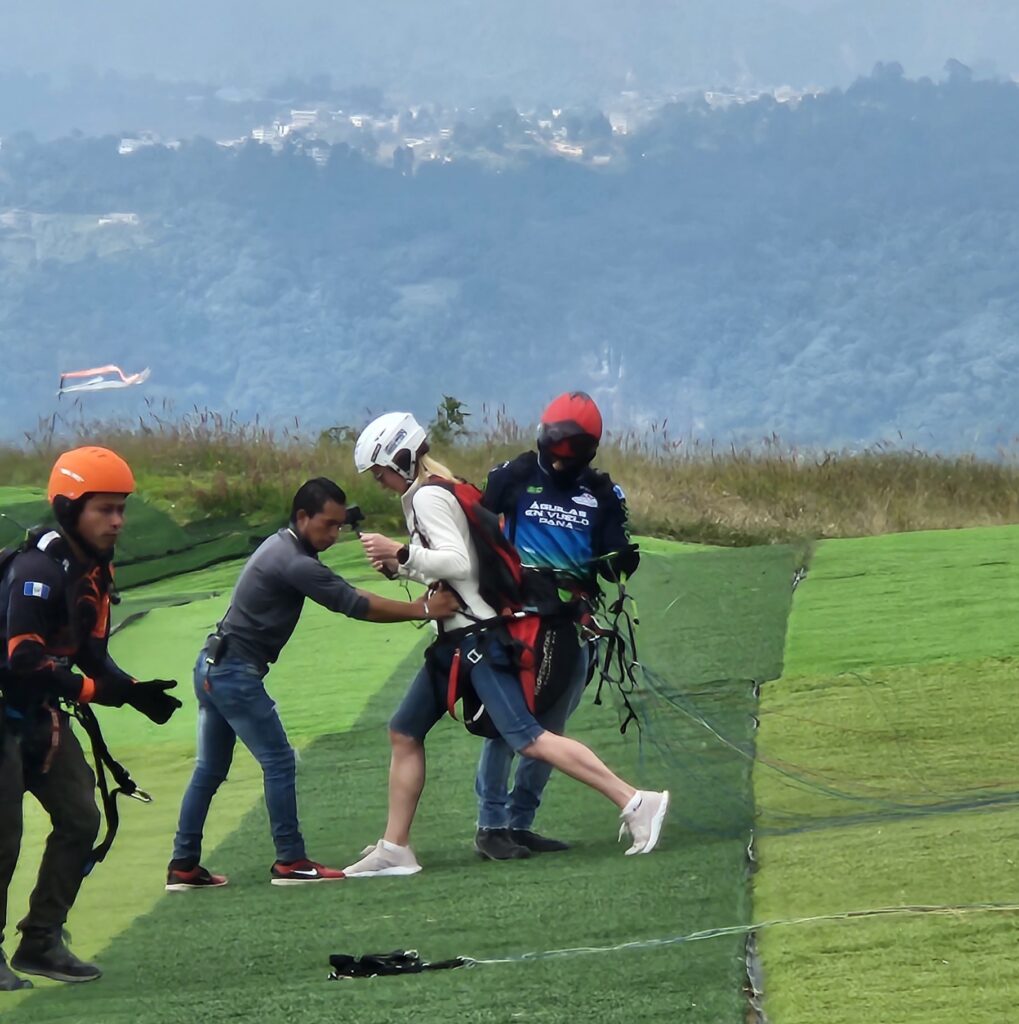
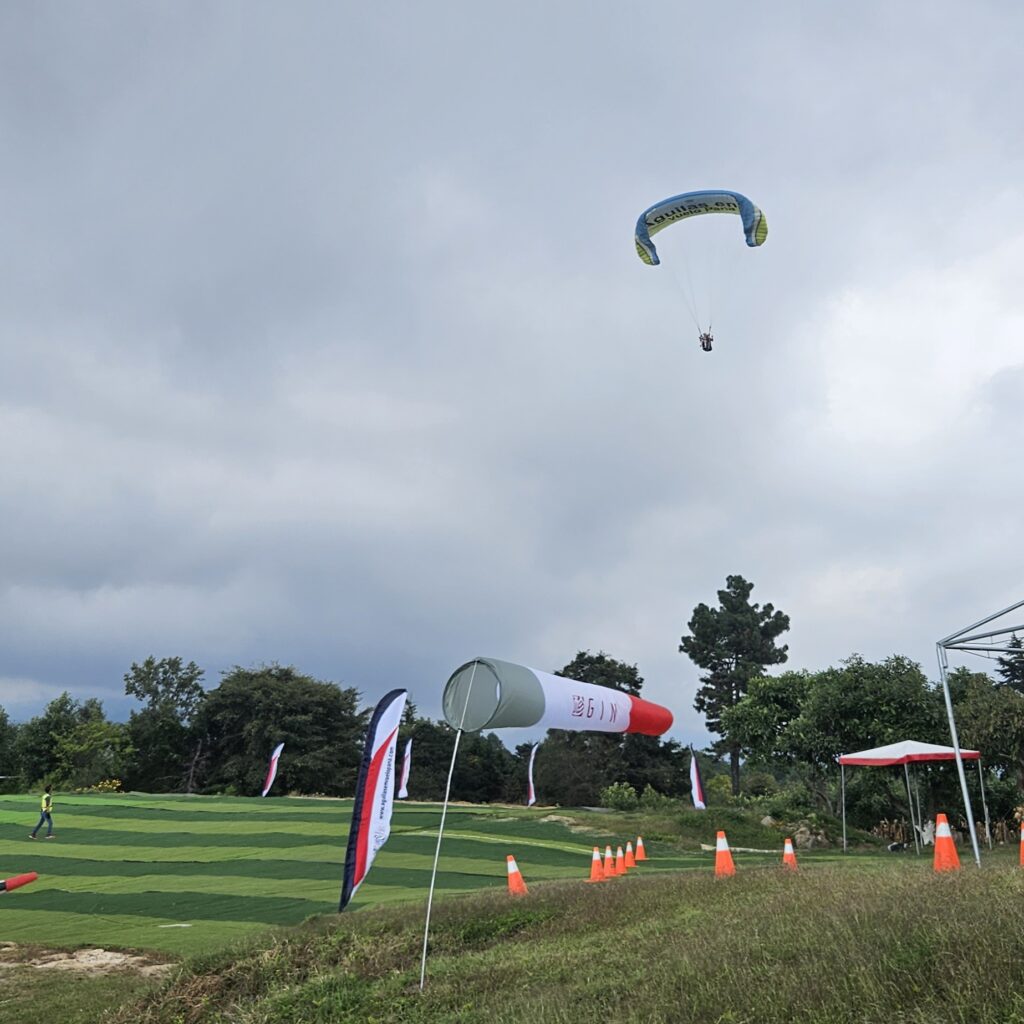
For those with paragliding on their bucket list, Panajachel offered the perfect opportunity to fulfill their dreams, with experienced instructors providing a safe and thrilling experience. As we glided through the air, suspended between earth and sky, we felt a sense of freedom and exhilaration, unlike anything we had ever experienced before.
Pacific Coast - our yoga retreat's final destination
After bidding farewell to Lake Atitlan, we ventured to the Pacific coast, where we witnessed the release of baby sea turtles into the ocean. Amidst black sand beaches and crashing waves, we marveled at the wonders of nature, grateful for the opportunity to witness such a spectacle. Nestled in the laid-back village of El Paredon, with its spectacular black sand beach and crashing ocean waves, we savored our dinner together.
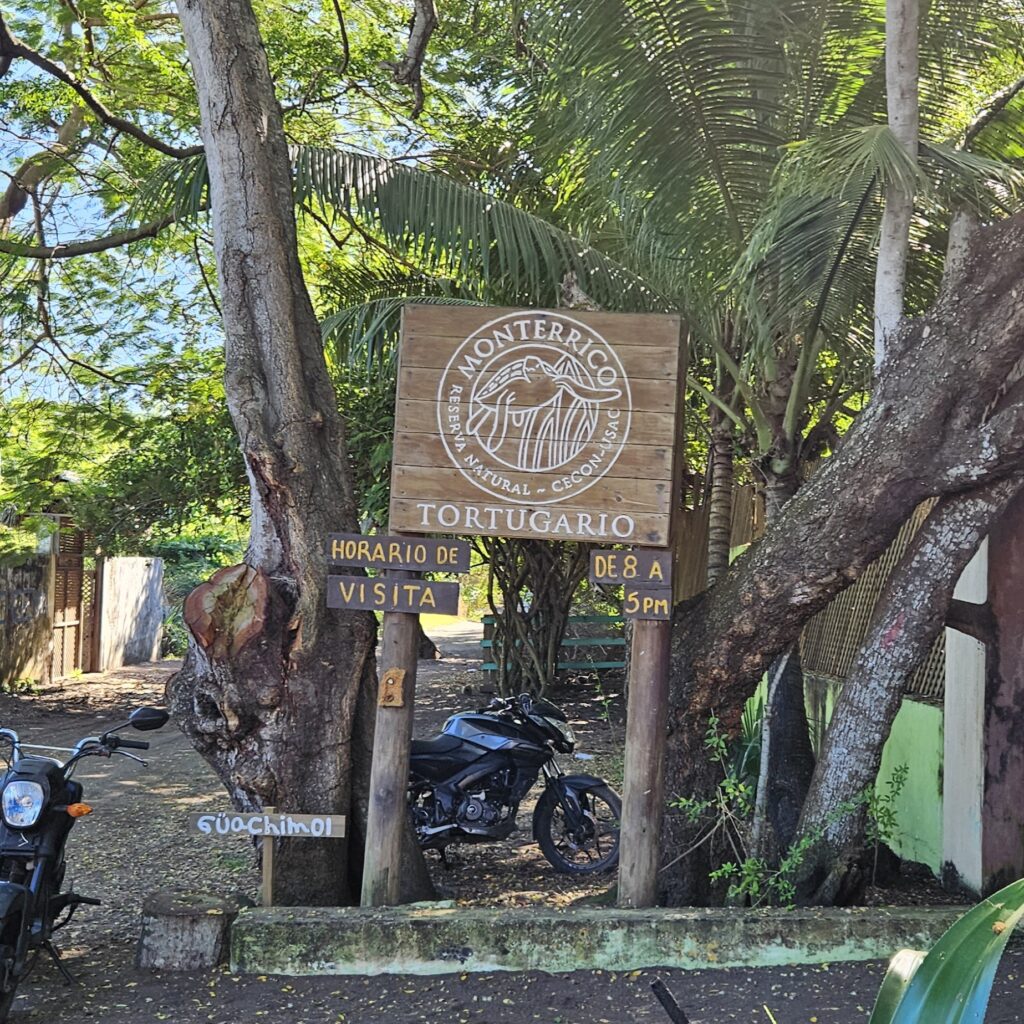
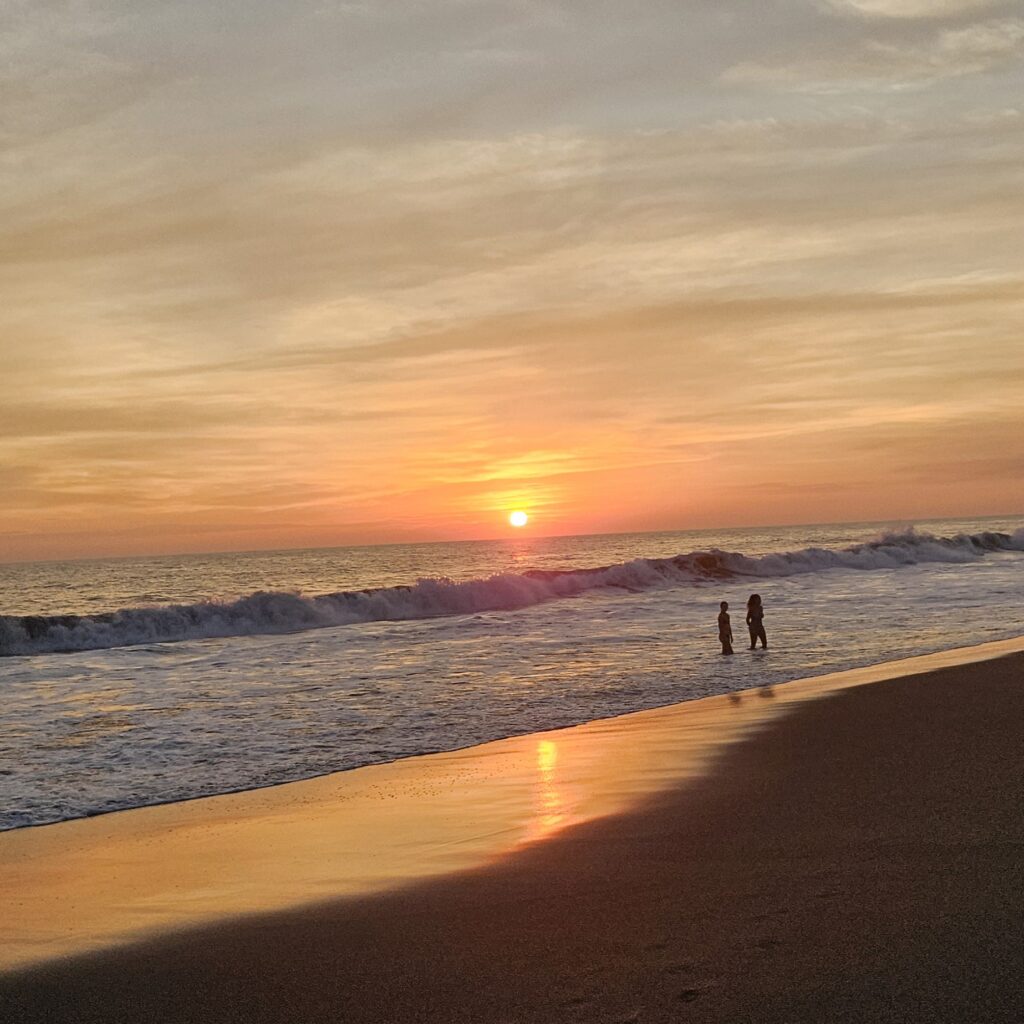
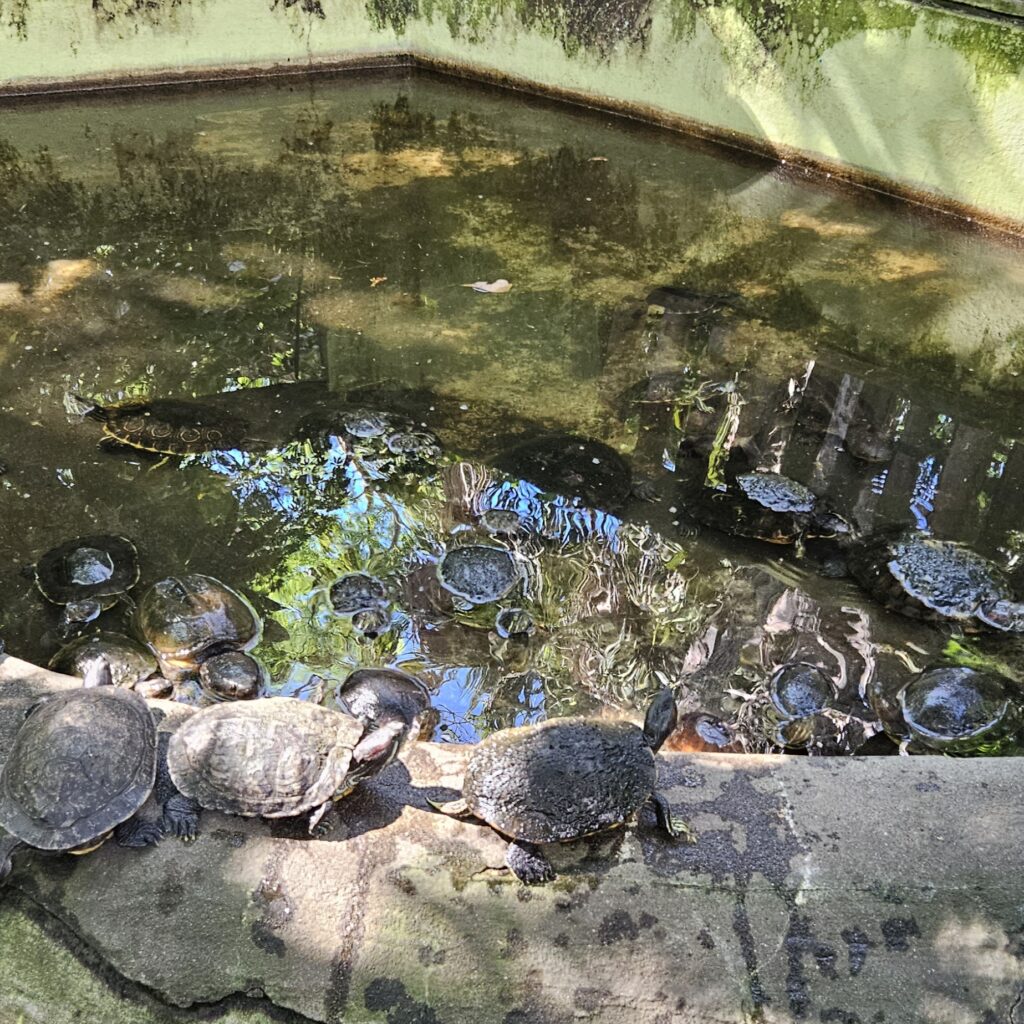
With hearts full and spirits uplifted, we bid farewell to the Pacific Coast, our souls enriched by the beauty of the natural world and the bonds of friendship that had blossomed during our time together.
Continuing the Adventure Beyond the Yoga Retreat: Hiking to Semuc Champey
Some of us chose to extend our stay to explore Semuc Champey, a natural wonder nestled in the Maya town of Languín. Despite the challenges of travel, the turquoise pools offered a serene sanctuary amidst the rugged terrain, a fitting end to our journey of exploration.
If you google Guatemala, Semuc Champey seems to be one of the most important places to visit and stay for several days. But the problem is how to get there. Whatever way you choose, it means at least 7-10 hrs of traveling in a bus along bumpy roads. That's why Semuc Champey gives me mixed feelings. We traveled there from Antigua, 9 hrs. It was one day on a bus.
Arriving at our destination, we found ourselves faced with the daunting task of traversing the final stretch of our journey. Determined to embrace the adventure, we opted to embark on a 12-kilometer walk from our hostel near Languín to Semuc Champey, immersing ourselves in the natural beauty of the Guatemalan countryside.
As we trekked through rolling hills and verdant valleys, we were greeted by the warm smiles of locals, their hospitality a testament to the enduring spirit of the region. Despite the cloud-covered sky, the cool breeze provided respite from the sweltering heat, allowing us to enjoy the journey without succumbing to exhaustion.
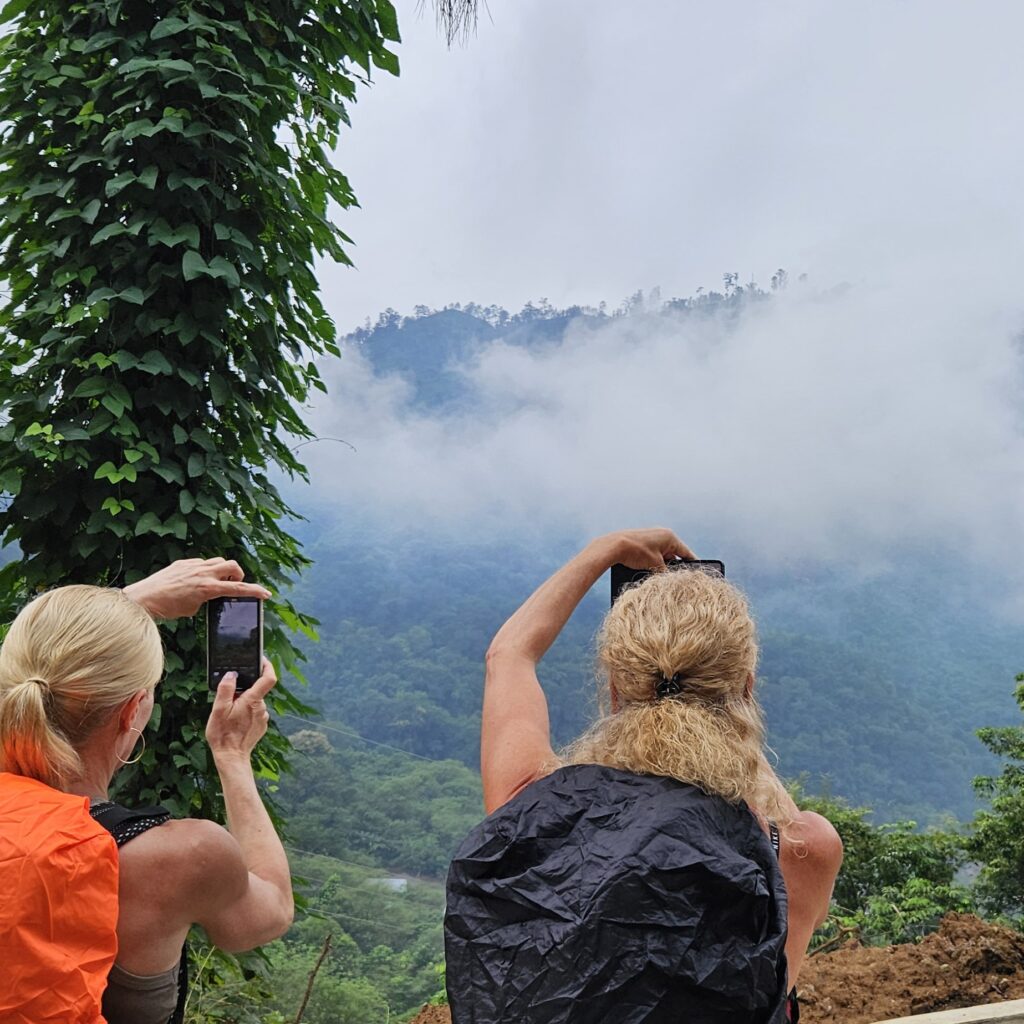
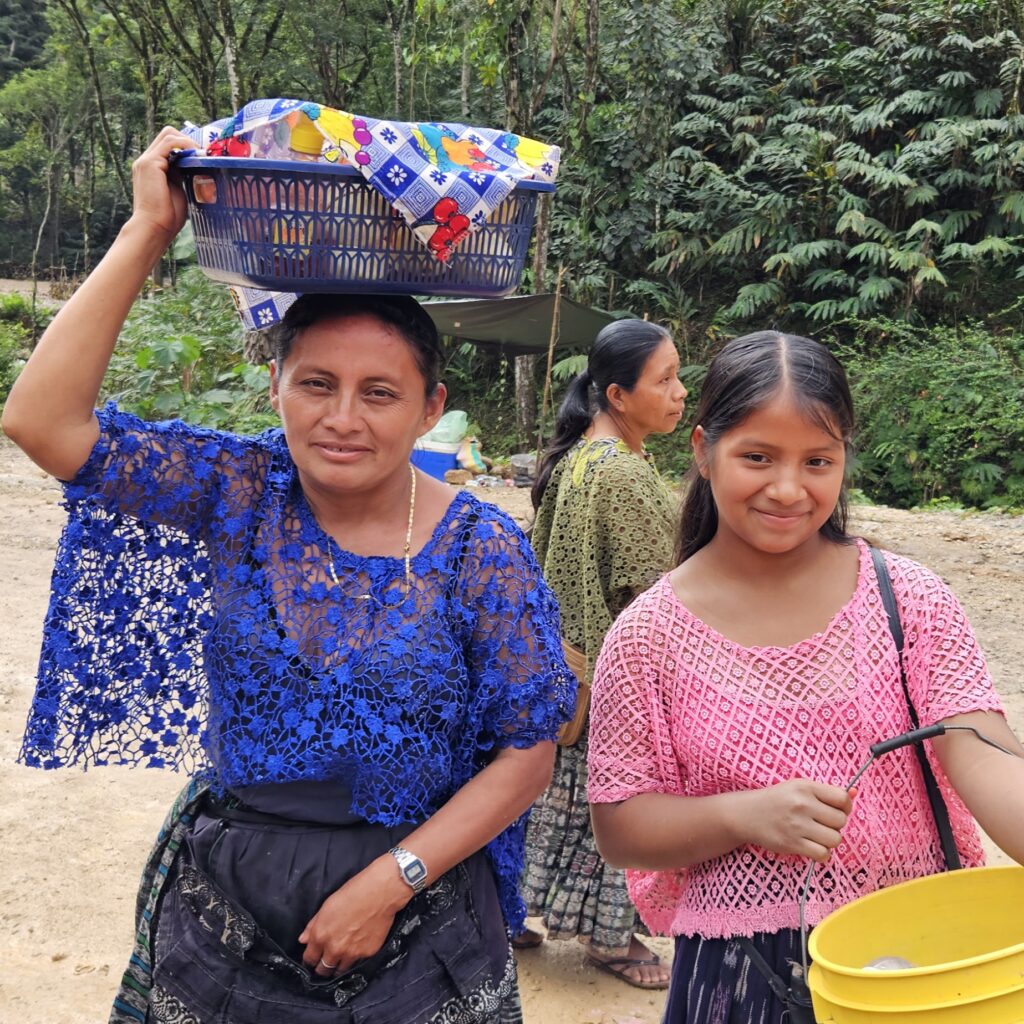
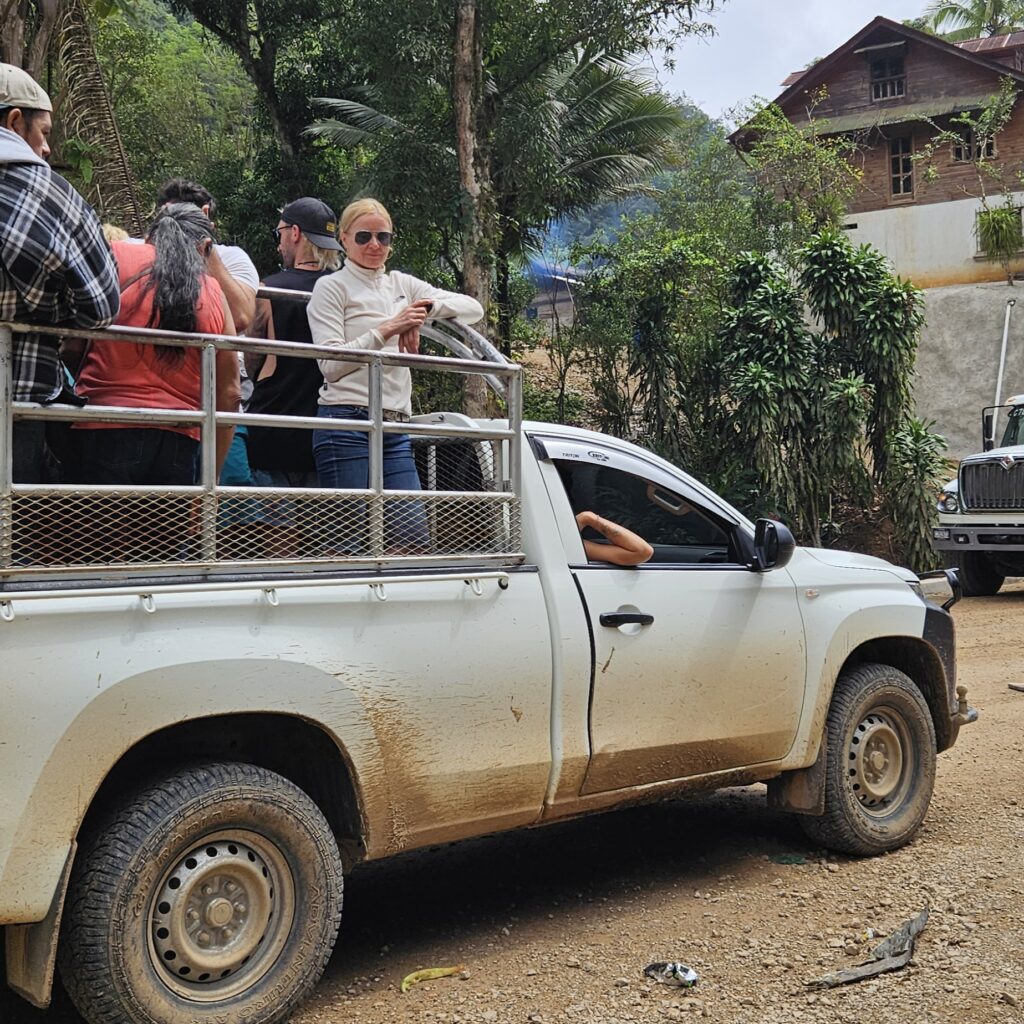
However, our romanticized vision of the trek was soon challenged by the harsh reality of roadworks and muddy terrain. With each step, the once picturesque path devolved into a treacherous mud hole, testing our resolve and leaving us longing for the tranquility of Semuc Champey's crystalline waters.
Upon reaching our destination, we were greeted by the mesmerizing sight of the turquoise pools, their beauty a stark contrast to the rugged landscape that had led us there. After a refreshing swim and a leisurely lunch, we reluctantly began our journey back, eager to escape the confines of the muddy trails and return to civilization.
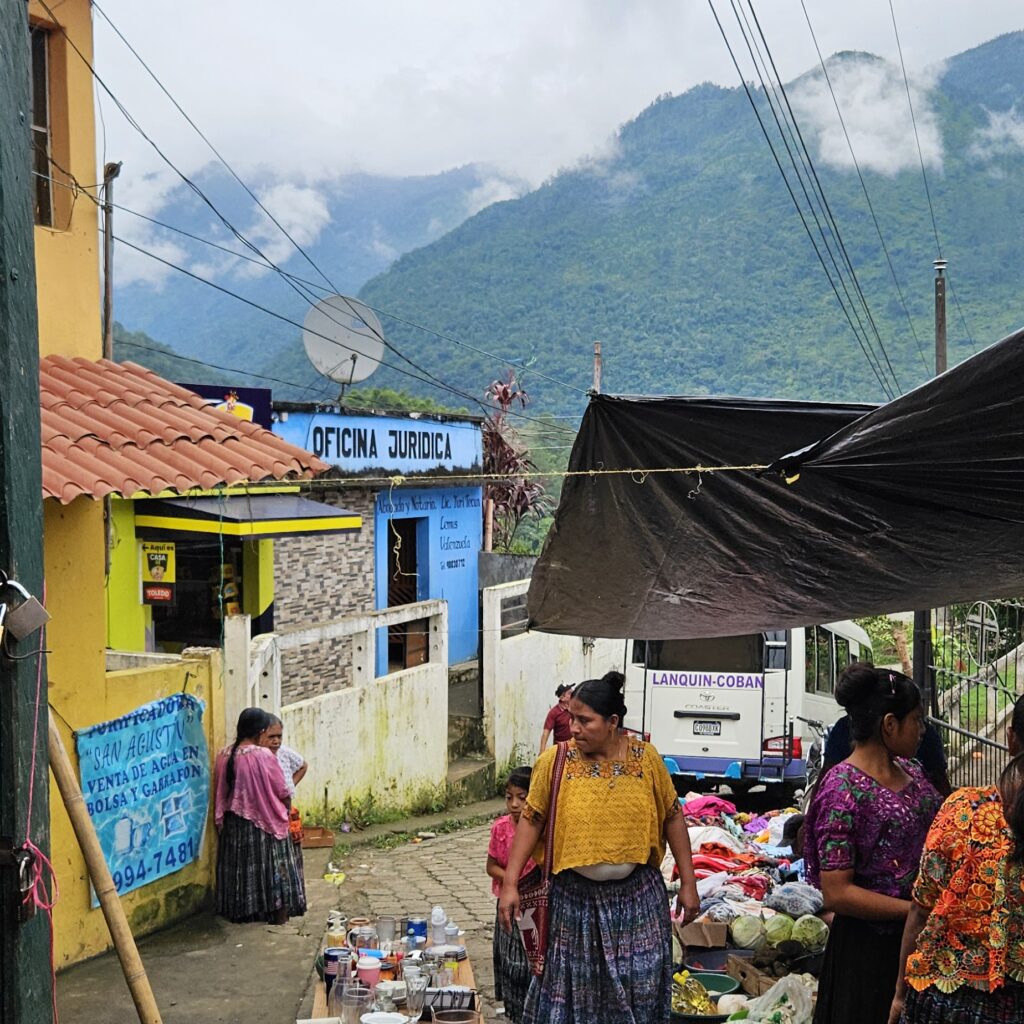
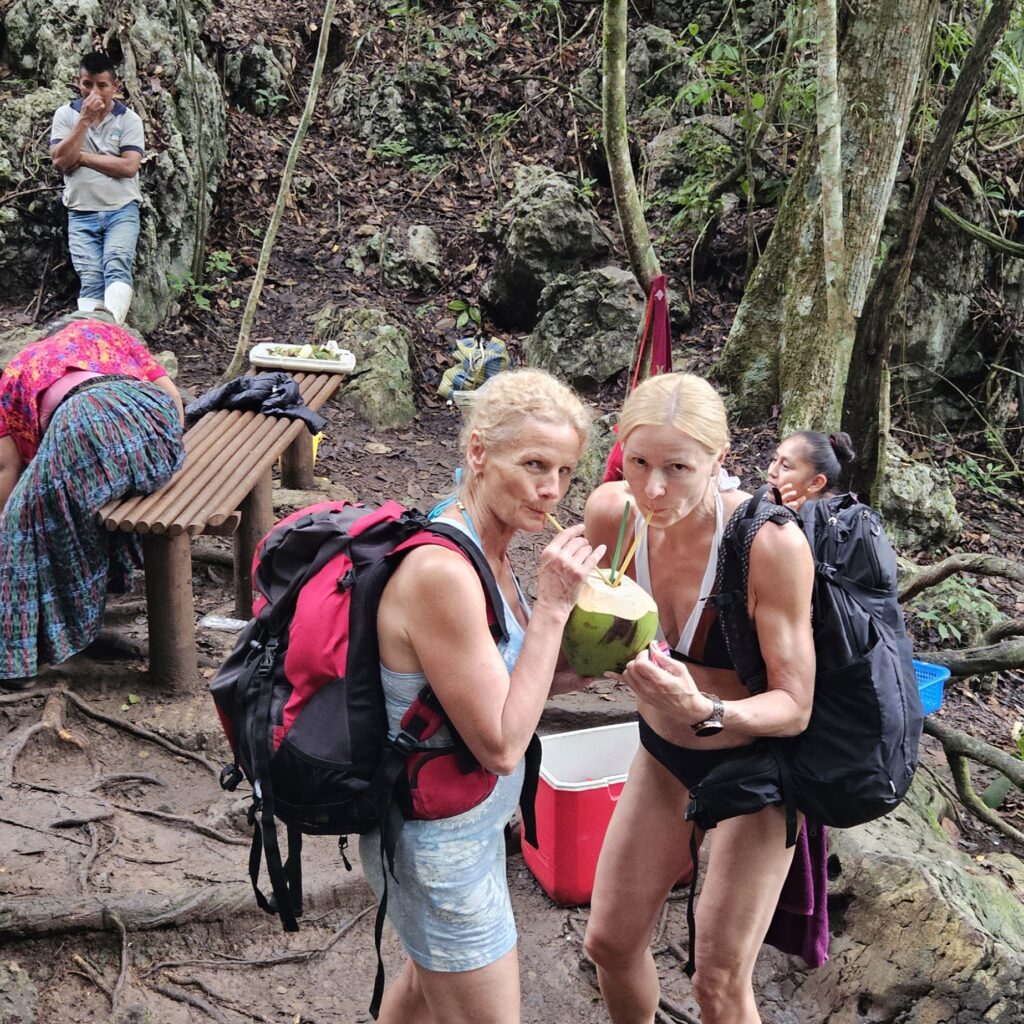
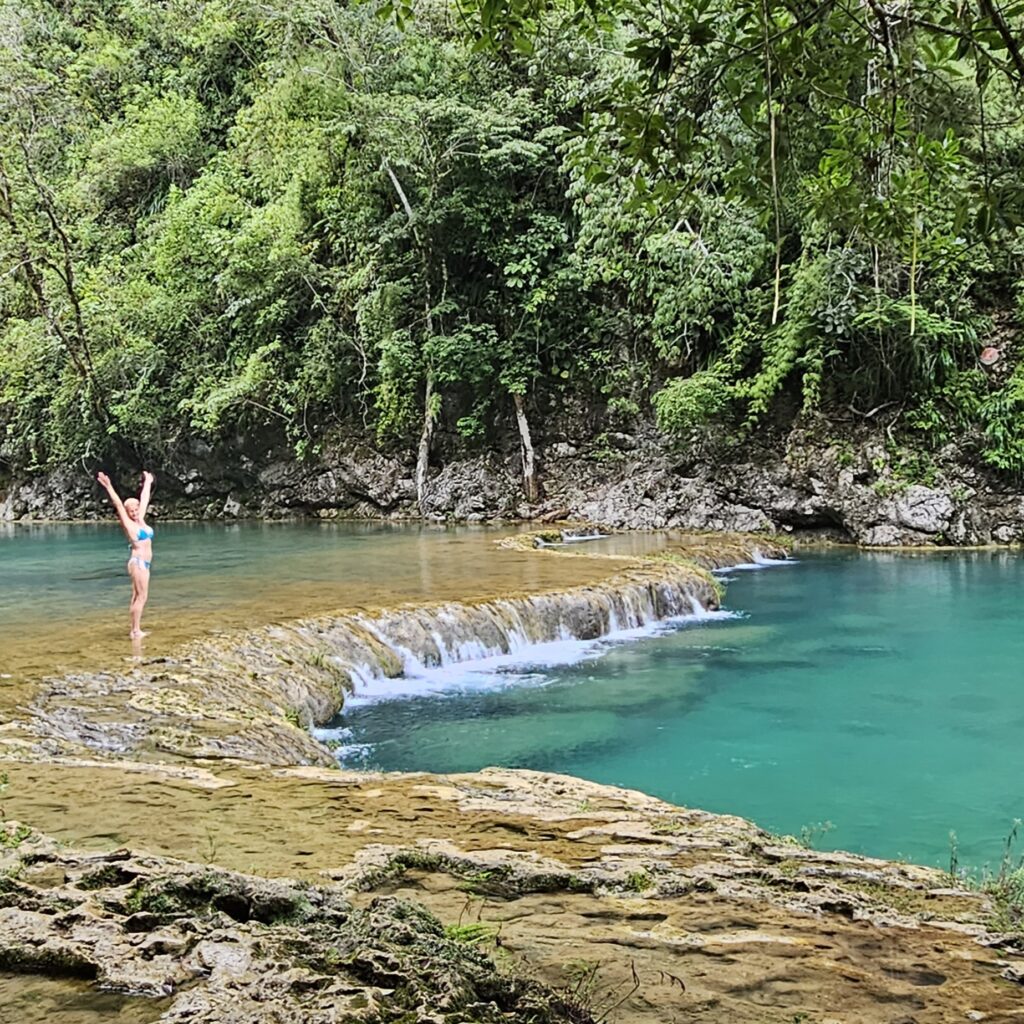
As we made our way back to Guatemala City, we were reminded once again of the unpredictable nature of travel. Yet, amidst the chaos and confusion, we found moments of laughter and camaraderie, forging bonds that would endure long after our journey had come to an end. And so, as we bid farewell to Semuc Champey, we carried with us not only memories of its unparalleled beauty but also the lessons learned from our journey – a testament to the transformative power of travel and the resilience of the human spirit.
As we said our farewells to Guatemala, we carried with us memories of adventure, camaraderie, and self-discovery. Our journey had been a testament to the transformative power of travel, weaving together moments of exploration, connection, and reflection into a tapestry of unforgettable experiences.
Join our next Guatemala adventure here.
Here is the blog post about Guatemalan cuisine.

Will you be fully vaccinated soon? Or have you taken your COVID-19 vaccination and are looking to travel sometime in the near future?
As vaccines are being rolled out across the world, it brings the promise of a return to our pre-pandemic life, or, at the very least, something close to it.
That said, it’s important to keep in mind that while these shots do come with some protection against the virus, some regulations, such as lifting the mandated use of masks, may not be happening as soon as we’d hoped.
Should you choose to travel sometimes in the near future, it’s highly advisable to continue to take health & safety precautions, such as wearing a mask, washing your hands often, and maintaining the practice of physical distancing.
While it’s not mandatory, you should also consider getting tested 3 to 5 days after arrival and self-isolate for 7 days, even though you are fully vaccinated. We are still unsure as to how much protection the vaccines offer against the new variants of the virus (and the strains continue to emerge), so, it’s always better to be safe.
In short, being fully vaccinated does give you more ‘freedom’ and peace of mind when it comes to travel but it’s in you & your fellow travelers’ best interest to maintain precautions when traveling.
Not only is it crucial for us to ‘adhere’ to local rules but also to keep personal consideration and precaution for the sake of your and others’ health and safety.
Even if you are fully vaccinated, these days, the type of travel you choose to take matters more than ever.
Domestic travel has been returning slowly but steadily starting last summer. With the rollout of vaccines, countries that are likely to reach herd immunity faster, maybe a ‘safer’ choice for locals and non-locals alike.
Many travelers are now choosing destinations that are off-the-beaten paths, those that are away from condensed cities, and often, these places are immersed in nature.
A yoga retreat in nature is a great choice for any traveler. Some retreats are easy-going while others go above and beyond to offer a wealth of activities. But no matter where you choose to go, it is easy to combine other outdoor activities such as hiking, walking, cycling, or running with your yoga sessions.
To get to your travel destination, road trips are recommended as non-public transportation is safer than using public transportation. In fact, according to the CDC, fully vaccinated travelers who go on a road trip and are moderately careful at the destination, would have a relatively ‘safe trip’.
Another way to lower risk is to choose to visit a country that is waiving restrictions for fully vaccinated travelers. At the time this article was written, only a handful of countries have gone this route, but, as summer approaches and the vaccine passports are likely to become a reality, more and more countries would consider this option to open for travel.
Lastly, should you choose to travel internationally, it’s better to focus on visiting one country, rather than opting for a multi-country itinerary. Now is the perfect time to focus on slowing down, taking longer to explore a country, immerse in its culture and traditions, and discover local gems.
It’s also important to keep in mind that while the entry requirements into a certain country might not include showing a negative test, the airline might require one to board the plane. Do your due diligence and check the requirements ahead of time so that you can plan accordingly.
Nothing supports our mind and soul to open up like a natural setting. The usual distractions are far away, and your attention and focus are directed towards what’s in front of you, quieting the mind and simplifying your thoughts.
Being in nature awakens your senses – touch, scent, sight – and you cannot help but become more aware of what’s around you and start to appreciate the little things you might usually take for granted.
The smell of morning dew and flowers, a simple bird song, a gentle breeze in your hair, touching the grass or sand, provide stimulation and make you more present. You become more in tune with yourself and the world around you.
On most retreats held in nature, you’ll have the opportunity to do some forest bathing. Also known as Shinrin-yoku, this is the practice of making contact with and taking in the forest atmosphere to receive mental and physical healing.
Read more about our yoga and hiking retreats in Norway, Alaska, and Estonia.