How to Build Hiking Confidence, One Step at a Time
A steep path can make even a strong, active person question herself. Your breathing quickens, the trail keeps rising, and suddenly the hikers ahead look much more certain than you feel. Building hiking confidence isn't about becoming fearless or pushing through every hard moment. It is about preparing well, making good decisions, and trusting that you can respond calmly to what the mountain asks of you.
Confidence grows through experience, but it does not require starting with intimidating hikes. In fact, the most reliable way to feel capable on bigger trails is to collect many smaller successes first. Each walk where you choose the right pace, read the weather, manage a hill, or turn around when needed becomes useful evidence: you know how to take care of yourself outdoors.

Start With the Right Definition of Confidence
Hiking confidence is often mistaken for speed, stamina, or a willingness to tackle dramatic terrain. Those qualities can be helpful, but they are not the foundation. A confident hiker knows her current ability, prepares for the conditions, and stays flexible when plans change.
This matters especially if you are returning to hiking after a busy period of life, starting in midlife, or traveling to a new landscape. You do not need to prove that you can keep up with anyone else. You need a pace and a plan that let you enjoy the experience while respecting the terrain.
Some days you'll feel energetic; other days, the same hill will feel demanding. Sleep, heat, altitude, nutrition, stress, and weather all affect how a hike feels. Confidence is not judging yourself for that difference. It is adjusting early instead of waiting until discomfort becomes overwhelming.
How to Build Hiking Confidence Before the Trail
Preparation removes many of the worries that make hiking feel bigger than it is. You cannot control the weather or every turn in the path, but you can arrive knowing what you are walking into.
Choose routes that match your present fitness and experience, not the version of yourself you think you should be. Look beyond distance. Elevation gain, surface, exposure, temperature, altitude, and how easy it is to shorten the route can matter more than miles. A five-mile walk on a smooth, shaded path is very different from five miles over loose rock with long climbs.
Start with a route that leaves you thinking, I could have done a little more. This is not holding back. It is smart progression. When the finish feels manageable, your body recovers well, and your mind remembers hiking as something you can do again.
Learn the essentials of your chosen trail before leaving. Know where you will start, how long the route usually takes, what the forecast says at the trailhead and higher up, and whether there are any points where you can turn back or take an easier option. Tell someone your plan when hiking alone, and make sure your phone is charged, but remember service may be unreliable.
Pack for comfort, not perfection
A well-packed day bag helps you feel steady because you are ready for common changes. Bring water, snacks you know you enjoy, an extra layer, rain protection when conditions call for it, basic first aid supplies, sun protection, navigation, and a headlamp. The exact items will depend on the length, season, and remoteness of your hike, but the principle stays the same: carry what helps you stay warm, fueled, oriented, and safe.
Good footwear matters, yet it does not need to become an expensive search for the perfect boot. Shoes that fit well, have suitable grip, and have been worn on shorter walks are a sensible beginning. Test socks, layers, backpack fit, and snacks locally before relying on them for a longer hike or an active trip abroad.
Build a Body That Enjoys the Climb
You don't have to train like an athlete to hike more easily. Consistency is more valuable than occasional punishing workouts. Start with regular walking, then gradually add hills, stairs, uneven ground, or a lightly loaded backpack.
Strength work gives you more control on both climbs and descents. Strong legs and hips can make steps feel more stable, while core strength supports posture when carrying a pack. Include movements such as squats, step-ups, lunges, calf raises, and balance practice two or three times a week if that suits your routine. Start with body weight and progress slowly.
Downhill walking deserves particular attention. Many hikers are surprised that descents tire their legs more than climbing. Practice controlled step-downs and take shorter steps on the trail. Trekking poles can help on uneven or steep ground, especially if they improve your balance, but they are a tool, not a requirement.
Yoga can support hiking confidence in a practical way. Gentle mobility work can help you notice tight hips, calves, or shoulders before they become distracting. Balance poses train attention as much as ankles. Breath-led movement also teaches a valuable trail skill: when effort rises, you can soften unnecessary tension instead of fighting your own body.
Practice Your Pace and Your Breath
The fastest way to lose confidence is to start too hard. On a climb, use a pace that allows you to speak in short sentences. If you are gasping, slow down before you become exhausted. No one wins by reaching the top depleted.
Try a simple rhythm: take shorter steps, pause briefly when needed, and let your breathing settle. On longer uphill sections, give yourself permission to stop before you desperately need to. A short pause to drink, look around, and relax your shoulders can restore more energy than forcing another ten minutes uphill.
Many women feel self-conscious about resting, particularly in a group. But experienced hikers take breaks, eat before they are starving, add a layer before they are chilled, and communicate when something does not feel right. These are not signs of weakness. They are the habits that keep a good day moving well.
Let Trail Skills Replace What-If Thinking
Anxiety often fills gaps in knowledge. The more basic skills you practice, the less mental energy you spend on imagined problems.
Learn to recognize trail markers and keep checking your location rather than waiting until you feel lost. Carry a map you understand and a navigation backup appropriate to the area. Watch the sky and temperature, especially in mountain environments where conditions can change quickly. If weather worsens, visibility drops, or the trail becomes more difficult than expected, turning around is a confident decision.
It also helps to become comfortable with small obstacles on familiar terrain. Step carefully over roots, walk across shallow streams where appropriate, and practice using poles before you need them. If a section feels beyond your ability, stop and assess it. There is no shame in choosing a different route, asking for help, or saving a more technical hike for another season.
Choose Company That Supports Your Growth
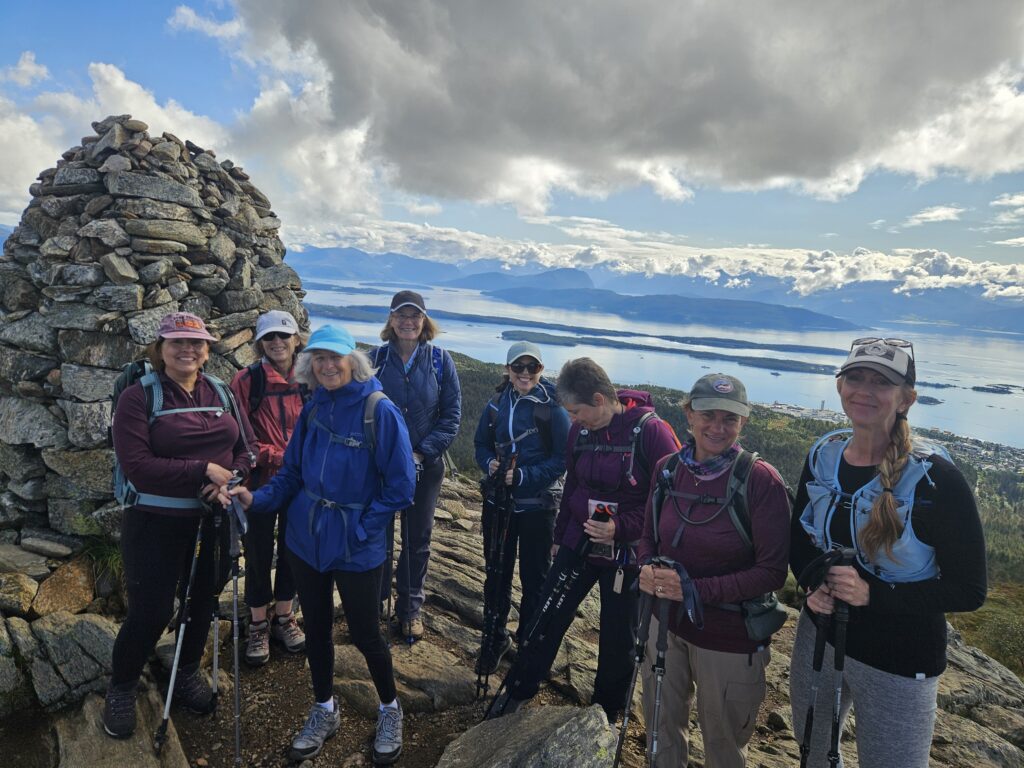
The right hiking companion can make a meaningful difference. Look for people who respect pace, communicate clearly, and understand that a group is only as comfortable as its least supported member. Avoid treating every walk as a competition.
A well-led small group can be especially reassuring when you are new to mountainous terrain or hiking in another country. You can learn by observing how an experienced leader manages pacing, layers, route choices, and changing conditions. At Yoga and Hiking Retreats with Pille Mitt, hiking is balanced with yoga, rest, and mindful recovery because confidence grows more naturally when challenge is paired with time to reset.
Still, group hiking does not mean ignoring your own needs. Speak up early if you need water, a slower pace, or a clearer explanation of the day ahead. Personal accountability is part of outdoor confidence, and it also creates a more considerate group experience for everyone.
Keep a Record of What You Can Do
After a hike, take a few minutes to reflect. What felt easier than expected? Where did you struggle? Did your footwear work? Did you eat and drink enough? This is not a performance review. It is useful information for your next outing.
Notice the quiet wins: finishing a hill without stopping, recovering quickly after a break, navigating a junction correctly, or staying calm when rain began. Confidence is built from these moments, not only from reaching a summit.
You may never love every exposed ridge, muddy descent, or windy morning. You do not have to. The goal is to know yourself well enough to choose adventures that stretch you without disconnecting you from the pleasure of being outside. Put one well-prepared hike on your calendar, let it be appropriately modest, and give yourself the chance to become the person who trusts her next step.
Related Posts