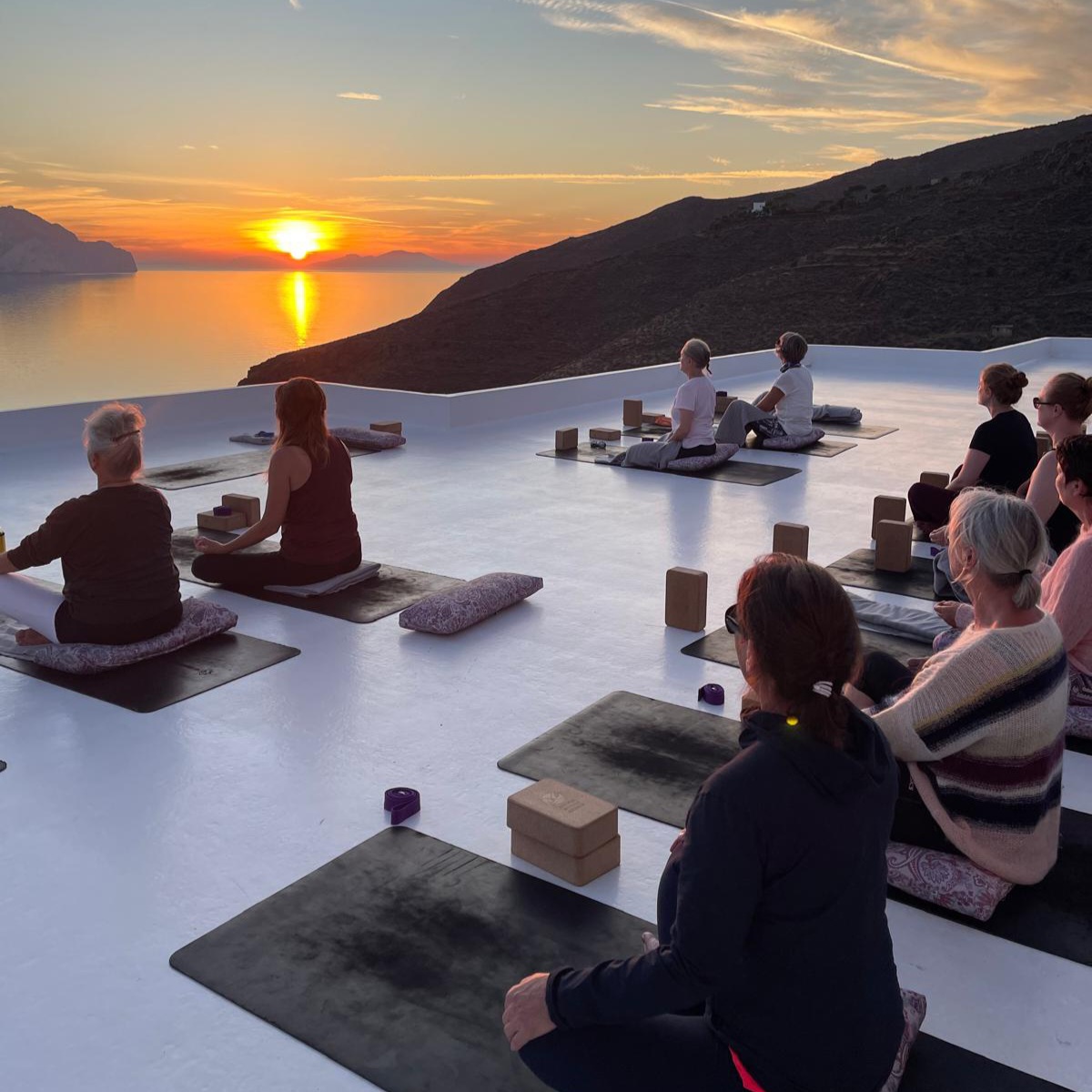
Solo Female Wellness Travel With Real Adventure
There is a particular freedom in arriving somewhere new with only your own bag to carry and your own pace to follow. Solo female wellness travel isn't about escaping your life or proving you can do everything alone. It is about choosing time that belongs to you: a week where a mountain path, a yoga mat, a nourishing meal, and a quiet morning can bring you back to what you need.
For many women, especially those who spend much of the year caring for work, family, and everyone else’s practical needs, a solo trip can feel both exciting and daunting. The right wellness retreat removes much of the logistical burden without taking away your independence. You can challenge yourself outdoors, rest afterward, and share the experience with others who have also stepped outside their usual routine.
Why solo female wellness travel feels different
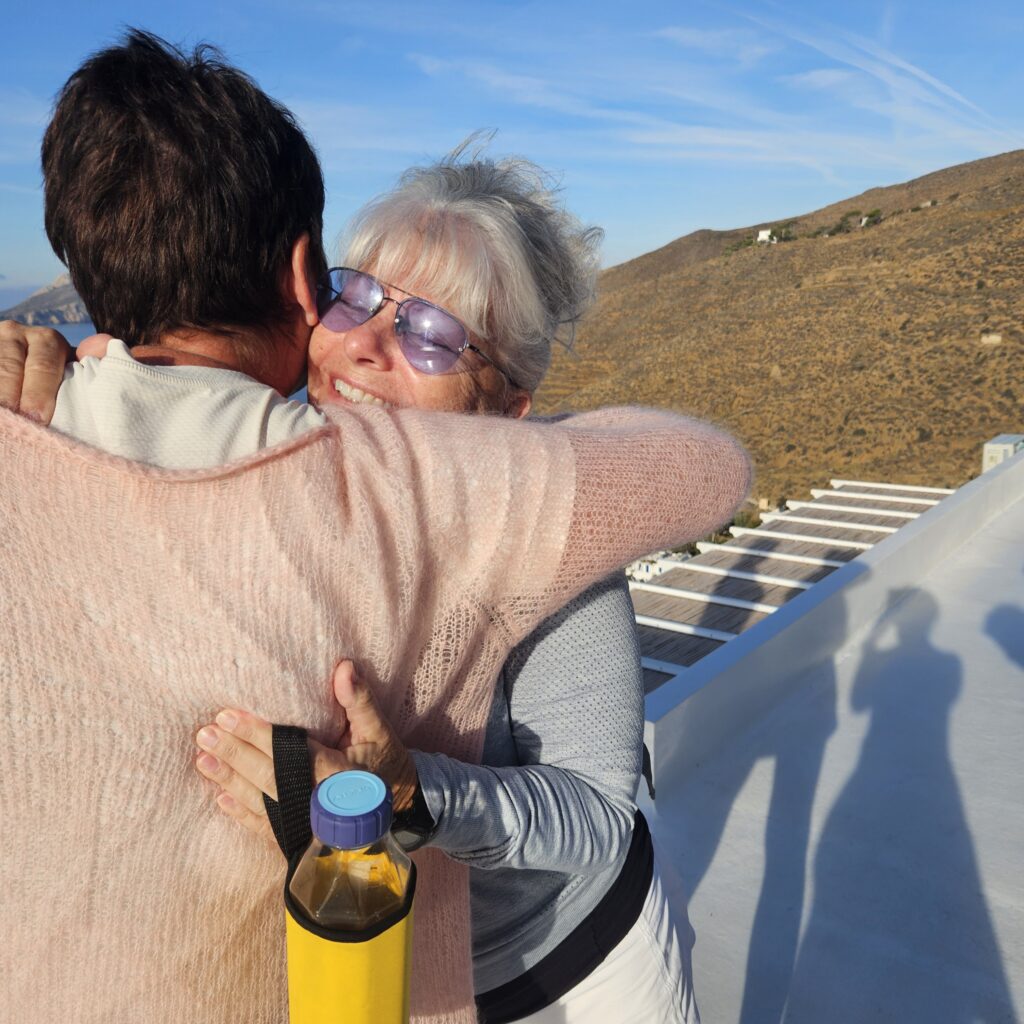
Traveling alone creates space for honest choices. You do not have to negotiate every plan, keep up with someone else’s energy, or apologize for wanting an early night. At the same time, true restoration rarely comes from complete isolation. A well-led small group offers a useful middle ground: enough personal space to hear yourself think, with companionship when you want it.
Active wellness travel adds another dimension. Hiking asks you to be present with your footing, breath, weather, and surroundings. Yoga and meditation can then help you slow down, release physical tension, and notice how you are feeling after a full day outdoors. This rhythm of effort and recovery is often more satisfying than a vacation built entirely around either activity or rest.
The value isn't in a dramatic personal breakthrough. Sometimes the most meaningful outcome is simpler: renewed energy, more confidence in your body, a clearer head, or the reminder that you can still do hard and beautiful things.
Choose a retreat that supports independence
A retreat should make solo travel easier, not make you feel like an outsider among established couples or friend groups. Before booking, look beyond beautiful photographs and consider how the trip is actually organized.
Small groups create better connection
In a smaller group, the leader can better understand different fitness levels, answer questions, and adapt when conditions change. You are also more likely to get to know fellow travelers naturally, over breakfast, on a trail, or during a relaxed evening conversation, without the pressure of a large, constantly social program.
Look for clear communication about group size, daily activity levels, accommodations, and what is included. It is reassuring to know whether you will have free time, how meals work, and whether hiking days involve long transfers or early starts. Details are not unromantic. They allow you to arrive relaxed and prepared.
A capable leader matters
A destination may be spectacular, but leadership shapes the experience. For active retreats, look for someone with real experience guiding groups outdoors and teaching the wellness practices offered. A good leader does not push every guest toward the same result. They set a steady pace, communicate clearly, and help the group make sensible decisions around weather, terrain, and energy levels.
This is especially valuable when you are traveling solo. Feel free to ask questions, take a break, or choose a gentler option when available. Being challenged is rewarding. Feeling pressured is not.
Match the activity level to your real life
Do not choose a hiking retreat based on who you were ten years ago or who you think you should be. Read the daily descriptions carefully. Consider elevation, terrain, walking hours, weather, and the recovery time built into the itinerary.
You do not need to be an advanced hiker or an experienced yoga student to join an active retreat. You do need a reasonable fitness base and a willingness to prepare. Regular walks, stairs, strength training, and mobility work in the weeks before departure can make the trip more enjoyable. If you're unsure whether a retreat suits you, ask direct questions before committing.
Comfort and ease are also different. A quality retreat may include welcoming accommodations and thoughtful meals, while still asking you to wake early, walk uphill, and meet changing conditions with patience. That balance is often where confidence grows.


Build safety into the experience, not anxiety
Women who travel alone are often given a long list of warnings. Sensible preparation matters, but it should not crowd out the pleasure of going. Choose established accommodations, understand airport and arrival arrangements, keep important documents accessible, and share your itinerary with someone at home.
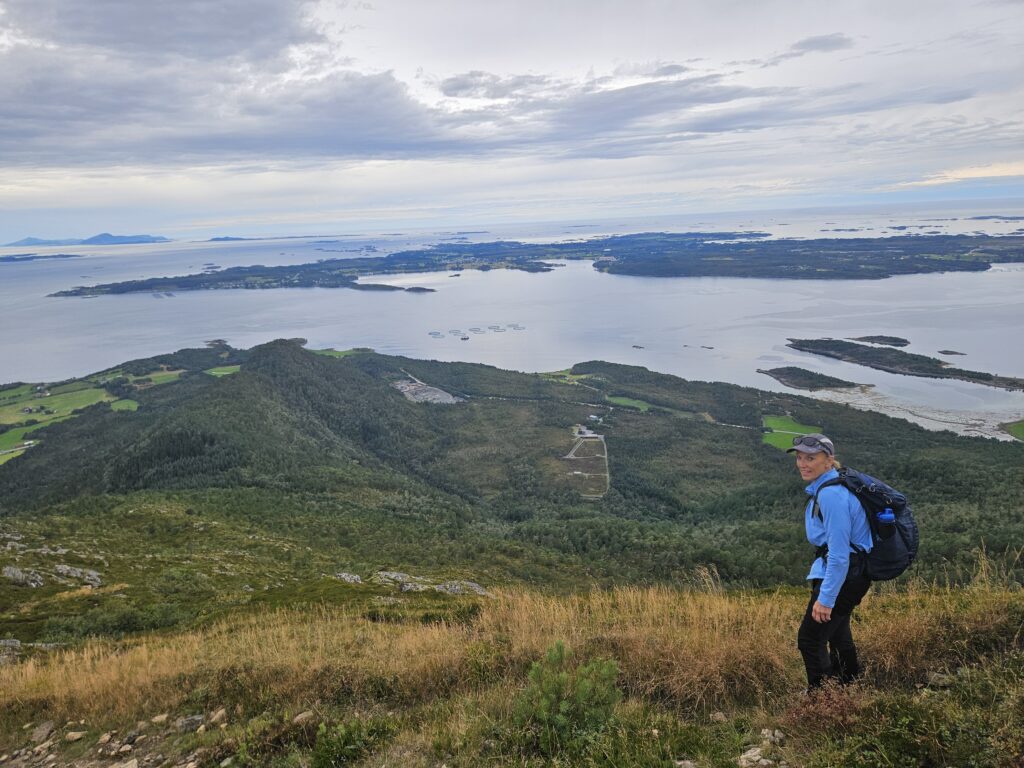
For an outdoor-focused trip, check what equipment is provided and what you need to bring. Practical essentials include well-worn hiking boots, layers for changing temperatures, rain protection, a daypack, and a refillable water bottle. Your retreat organizer should provide a clear packing list tailored to the environment, not vague advice to “bring comfortable clothes.”
It also helps to arrive with a communication plan. Download maps where appropriate, keep your phone charged, carry any personal medications you need, and know how to contact the trip leader. These simple preparations let you focus on what matters: the experience itself.
Let wellness be practical
Wellness travel can become overly complicated when it is presented as a flawless lifestyle to achieve. A more useful approach is to see it as a change in rhythm. You move your body with purpose, eat regular meals, sleep without rushing to the next obligation, and spend time away from constant notifications.
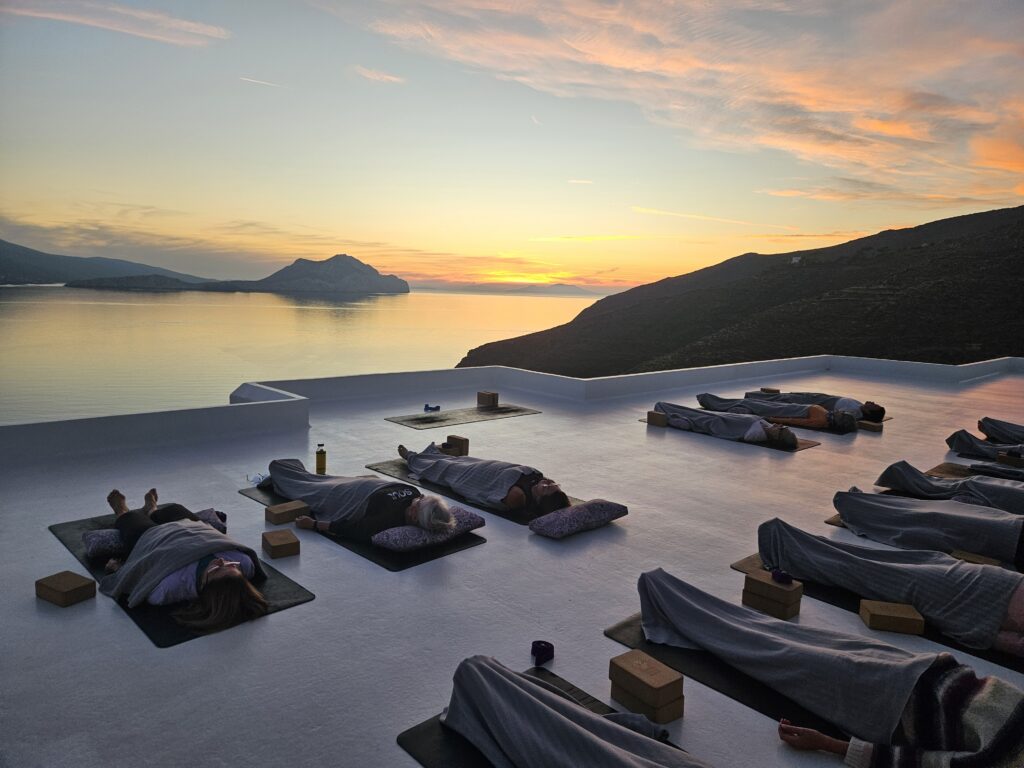
Yoga on an active retreat does not need to be advanced or performative. After hiking, a grounding practice can support mobility, breathing, and recovery. On a quieter morning, meditation may offer a few minutes to settle before the day begins. These practices work best when they are accessible and connected to the day you are actually having.
You can also explore Eastern-inspired approaches such as Ayurveda in a practical, non-dogmatic way: through attention to routine, seasonal conditions, rest, food, and individual needs. They are not a substitute for medical care or a set of rigid rules. They can simply offer a thoughtful lens for noticing what helps you feel balanced while traveling.
Make room for culture and unscripted moments
The best retreat itinerary has shape, but it should not feel packed from dawn until bedtime. Meaningful travel includes cultural experiences, local food, and time in a place beyond the trail. They help turn a fitness-focused trip into a fuller encounter with a destination.
Leave room for the moments you can't schedule: a warm drink after a rainy hike, an unexpected conversation with another woman in the group, or the satisfaction of looking back at a route you weren't sure you could complete. These are often the memories that stay.
At MITT Yoga, we combine hiking, yoga, meditation, and cultural exploration not to fill every hour. We do it to create a balanced experience where adventure and recovery belong together.
Give yourself permission to travel your own way
You may come home with new friends, or you may come home mostly grateful for your own company. You may love every hike, or discover that the slow yoga sessions are what you needed most. Solo travel does not have to produce one particular version of personal growth to be worthwhile.
Choose a trip that feels like a gentle stretch, not a performance. Prepare well, stay open, and let the landscape meet you where you are. Sometimes a few days spent moving through nature with intention is enough to remind you that your next adventure can begin with one clear decision: make time for yourself.
Related Posts