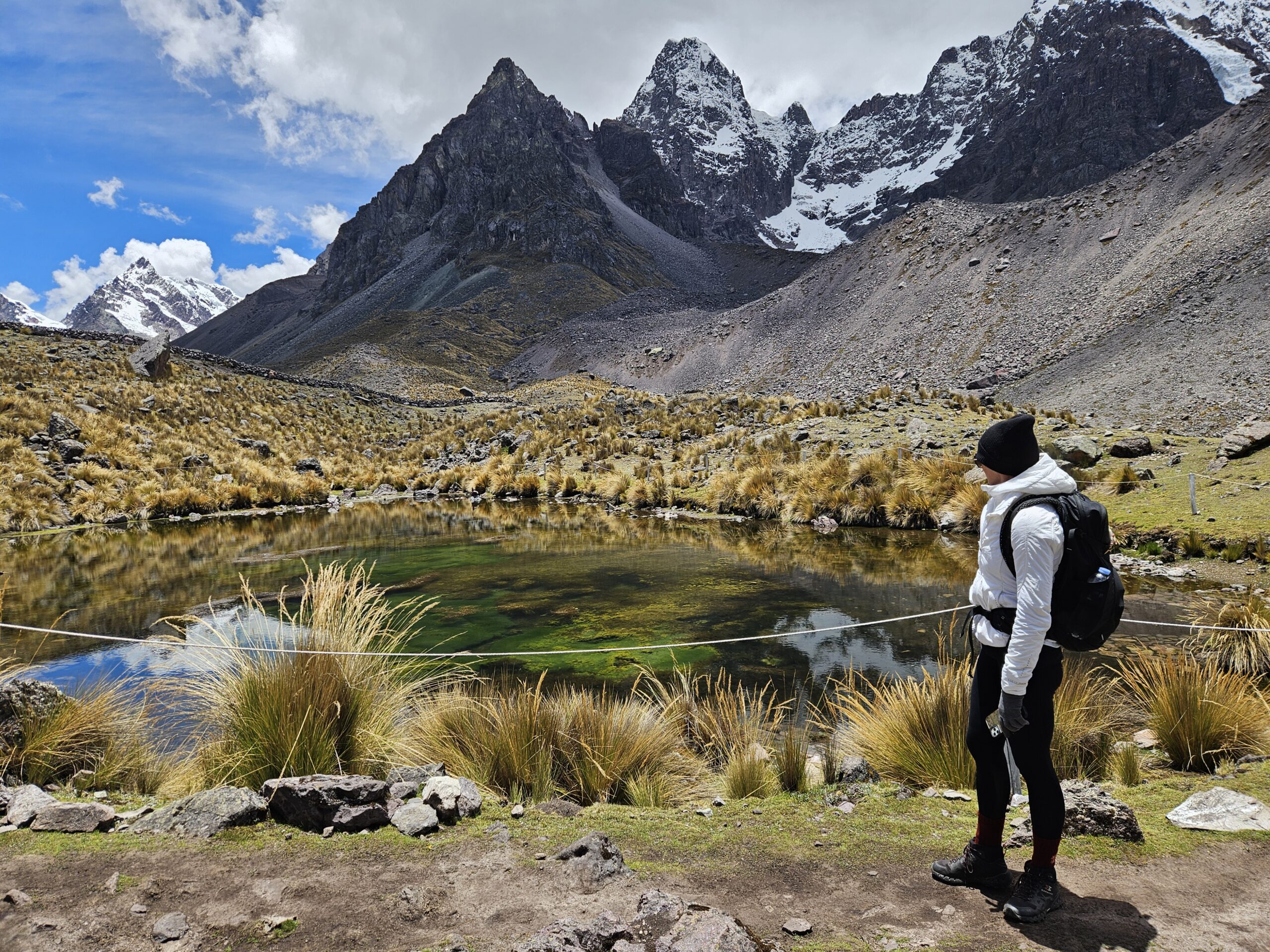
What to Pack for a Yoga Hiking Retreat
A yoga hiking retreat suitcase has to do more than carry leggings and a favorite yoga top. It may need to handle early meditation, a long day on a mountain trail, changing weather, and a relaxed dinner with new friends, without becoming a burden to carry. Knowing what to pack for a yoga retreat means preparing for both the active moments and the quiet ones, while leaving room for flexibility.
Pack for the actual rhythm of the retreat, not an imagined version of yourself on vacation. Choose clothing you can move in, layers you will actually wear, and a few small comforts that help you settle into a new place. You do not need a completely new wardrobe. You need reliable pieces that support your yoga practice, hiking days, recovery, and sense of ease.
Start with the Retreat Plan and the Weather
Before opening your suitcase, read the retreat itinerary carefully. A yoga-focused stay by the sea calls for something different than a retreat with daily hiking, cool mornings, and uneven mountain paths. Check expected temperatures, altitude, rainfall, cultural setting, laundry options, and how much time you'll spend outdoors.
Weather can change quickly in natural environments, especially in the mountains and in Norway. A warm forecast doesn't eliminate the need for a light insulating layer and rain protection. At the same time, packing every possible item often makes travel more tiring. Think in layers rather than single-purpose outfits: a base layer that wicks moisture, a warm mid-layer, and an outer layer that blocks wind or rain.
If your retreat involves domestic flights, transfers, or carrying your own luggage between accommodations, a soft-sided bag or small rolling suitcase is often more practical than a large hard case. Keep your essentials, medications, travel documents, and one change of clothes in your carry-on in case checked luggage is delayed.
What to Pack for a Yoga Retreat Practice
Yoga clothes should feel comfortable enough that you stop thinking about them once class begins. Bring a few combinations that allow you to bend, twist, sit, and rest without adjusting waistbands or straps. You may practice more often than at home, but you may also have opportunities to wash clothes, so there is no need to overpack.
For most active retreats, pack three or four yoga outfits, including leggings or shorts, breathable tops, and a warmer long-sleeve layer for meditation or a slow evening practice. A light wrap, sweatshirt, or soft fleece is especially useful when the room is cool or the practice starts before the day has warmed up.
Most retreats provide yoga mats and basic props, but it is worth checking in advance. If you prefer your own mat for hygiene or familiarity, a lightweight travel mat can be a good option. It will not offer the same cushioning as a studio mat, so this is a trade-off. Another simple option is to bring a mat towel, especially if you like extra grip during warm practices.
Consider these practice essentials:
- Comfortable yoga clothing for several sessions
- A light layer for meditation, relaxation, and cool mornings
- A travel mat or mat towel if you prefer using your own
- A reusable water bottle
- A small towel and a hair tie or headband
Avoid packing clothing that is only suitable for photos or only suitable for one class. You'll reach for the pieces that feel simple, breathable, and easy to wash.
Pack Properly for Hiking and Outdoor Adventure
Hiking shoes are the one item you shouldn't compromise on. Choose footwear you have already worn on several walks, rather than brand-new boots that may cause rubbing or blisters. For easier trails in dry conditions, supportive trail shoes may be enough. For steeper terrain, wet ground, or mountain routes, waterproof hiking boots with ankle support can be a wiser choice.
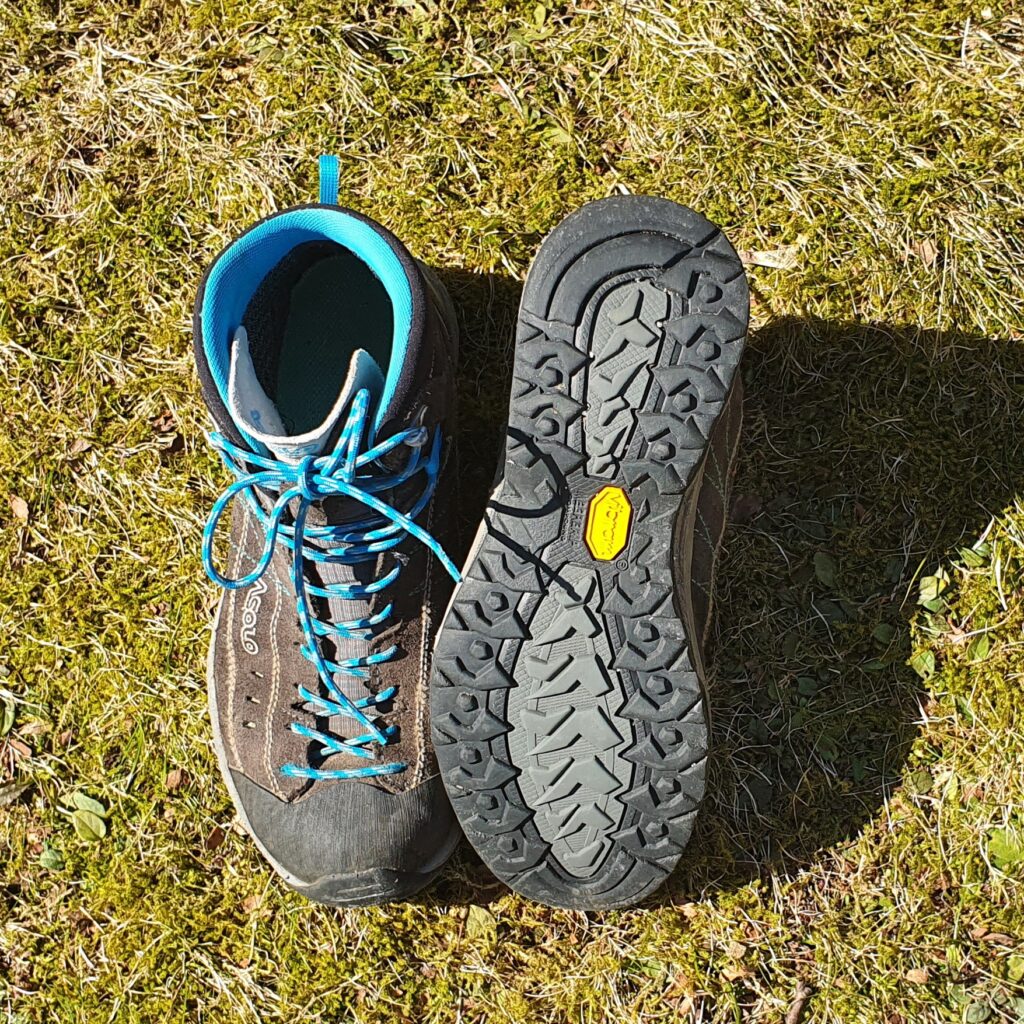
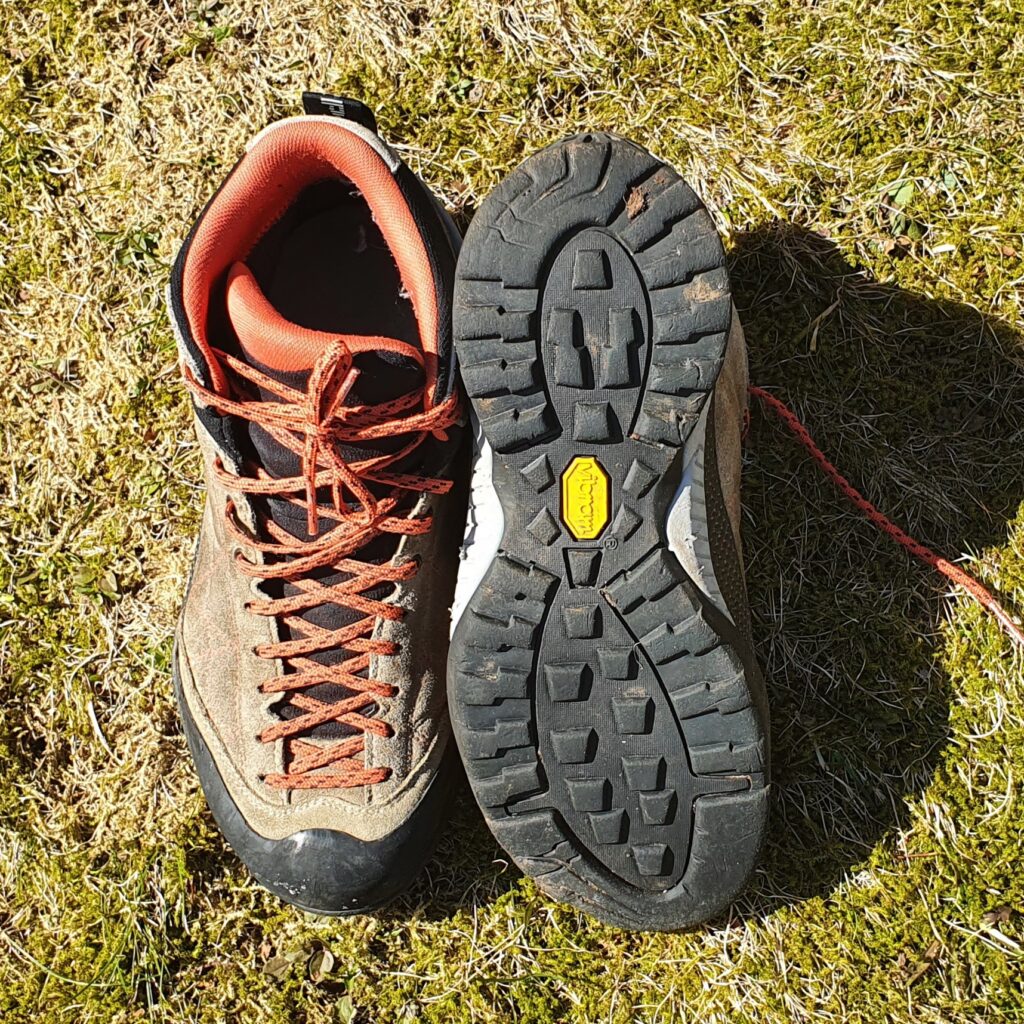
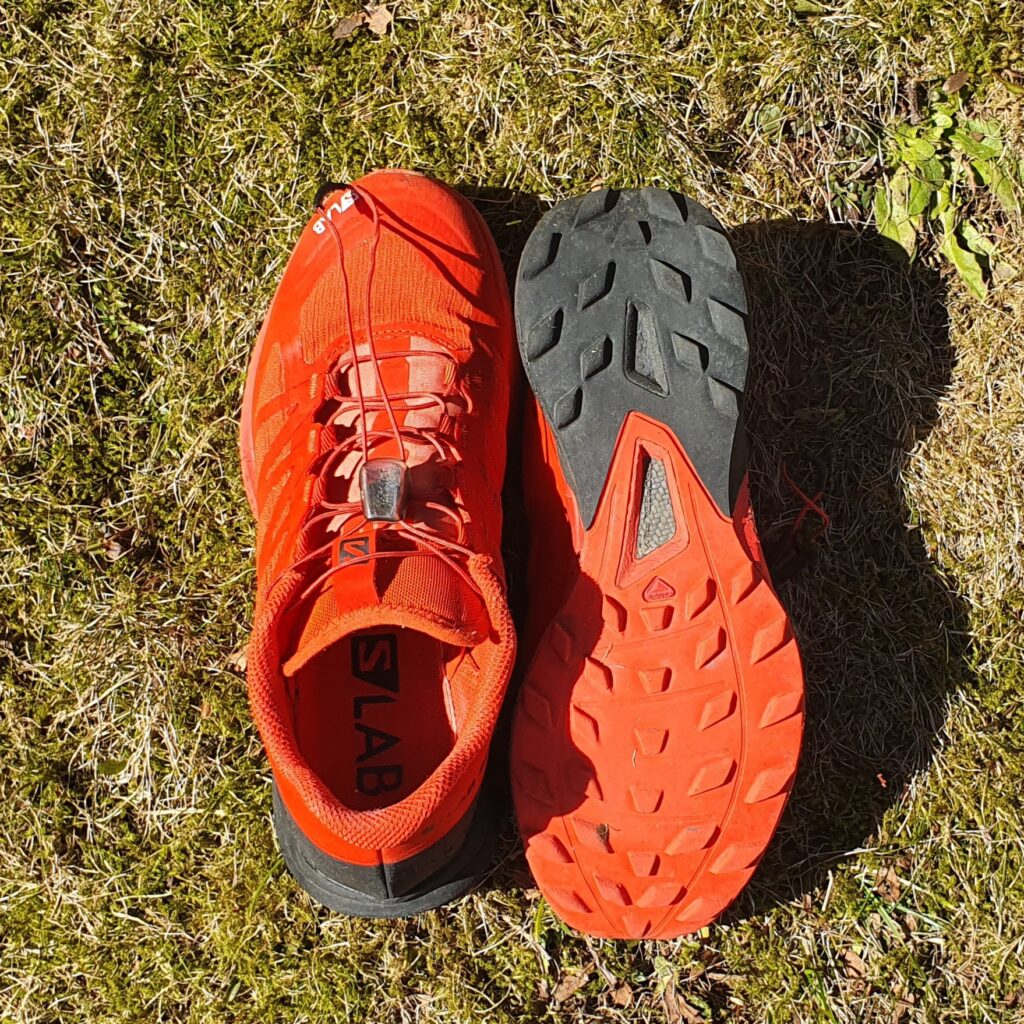
Bring wool or technical-fiber hiking socks, and pack more pairs than you think you need. Dry feet make a real difference on consecutive days of walking. A small blister kit with bandages, tape, and any products you know work for you is also more useful than hoping a minor hot spot will disappear.
Your daypack should be comfortable, not oversized. It needs room for water, a rain layer, snacks, sunscreen, and an extra warm layer, while fitting securely enough that it does not pull on your shoulders. A rain cover or waterproof liner helps when conditions change.
For an active yoga and hiking retreat, include:
- Broken-in hiking boots or trail shoes and several pairs of hiking socks
- Moisture-wicking hiking tops and comfortable walking pants or shorts
- A waterproof jacket and a warm mid-layer such as fleece or lightweight insulation
- A hat, sunglasses, sunscreen, and lip balm
- A daypack, refillable water bottle, and personal snacks if you have specific preferences
- Blister care, insect repellent where relevant, and trekking poles if you regularly use them
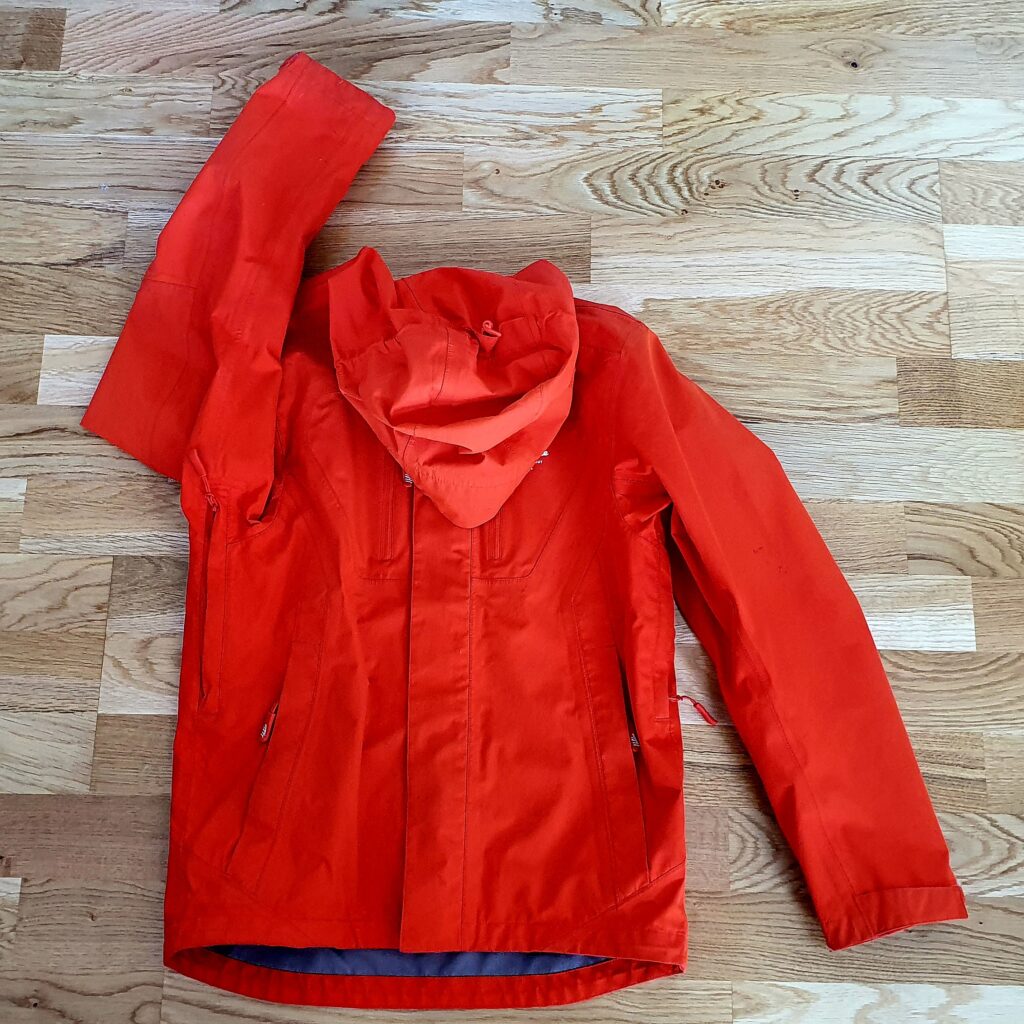
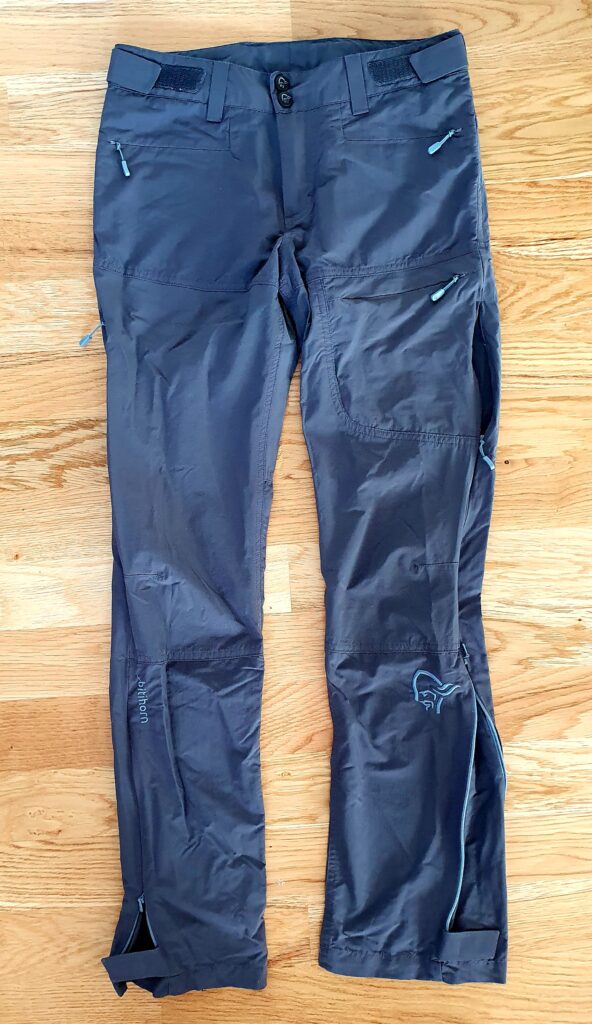

Trekking poles are optional. They can reduce strain on descents and offer extra stability, but they are not necessary for everyone. If you have never used poles, practice with them before the retreat rather than learning on a narrow or rocky trail.
Bring Clothes for Rest, Meals, and Cultural Moments
Retreat life is not all yoga clothes and hiking gear. After an active day, it feels good to change into something soft and clean. Pack a comfortable outfit for relaxing, sleepwear suitable for shared accommodation, and one or two casual outfits for meals, local visits, or travel days.
Keep this part of your suitcase simple. A pair of comfortable pants, a sweater, a casual dress or shirt you enjoy wearing, and a light jacket will usually cover it. Depending on the destination, modest clothing may be appropriate for visits to temples, villages, or other cultural sites. A lightweight scarf can be useful for warmth, sun protection, or covering shoulders when needed.
You are not packing for a formal vacation. You are packing for a week or two of moving, resting, connecting, and being outdoors. Comfort isn't an afterthought; it helps you stay present.



Small Essentials That Make Travel Easier
People often miss the smallest items. Bring your usual toiletries in travel-friendly sizes, prescription medications in original packaging, and any personal care items you may not easily find at your destination. If you use electrolyte tablets, sleep aids like an eye mask or earplugs, or a specific type of sunscreen, pack them instead of relying on local availability.
A portable charger is useful on long transfer days and outdoor excursions. A small dry bag or zip pouch also helps protect your phone, passport, and electronics from rain. If your retreat includes international travel, remember a plug adapter and check whether your destination uses a different voltage.
You may also want a notebook and pen. A retreat does not need to become a project of constant self-reflection, but having somewhere to record a thought, a trail memory, or a practical reminder can be grounding. Leave space for a book, too, if reading helps you unwind.
What Not to Pack
Overpacking can quietly take energy away from the trip. You probably do not need multiple pairs of jeans, several heavy sweaters, every skincare product you own, or an outfit for every possible occasion. Bulky items make airports, transfers, and shared rooms less comfortable.
Try not to bring brand-new shoes, untested backpacks, or unfamiliar hiking clothing. A retreat is a wonderful place to challenge yourself through movement and exploration, but it is not the ideal time to discover that your new boots pinch or your jacket does not keep out rain.
Finally, leave room in your bag. You may pick up something meaningful along the way, but more importantly, a little extra space makes packing for the journey home much calmer.
A well-packed bag will not determine the depth of your retreat, but it can make each day easier to enjoy. Bring what supports your body, respects the environment you are visiting, and gives you confidence to step onto the mat, the trail, and the next unfamiliar path with an open mind.
Here's the YouTube video with packing advice for the Norway yoga and hiking retreat.
Related Posts