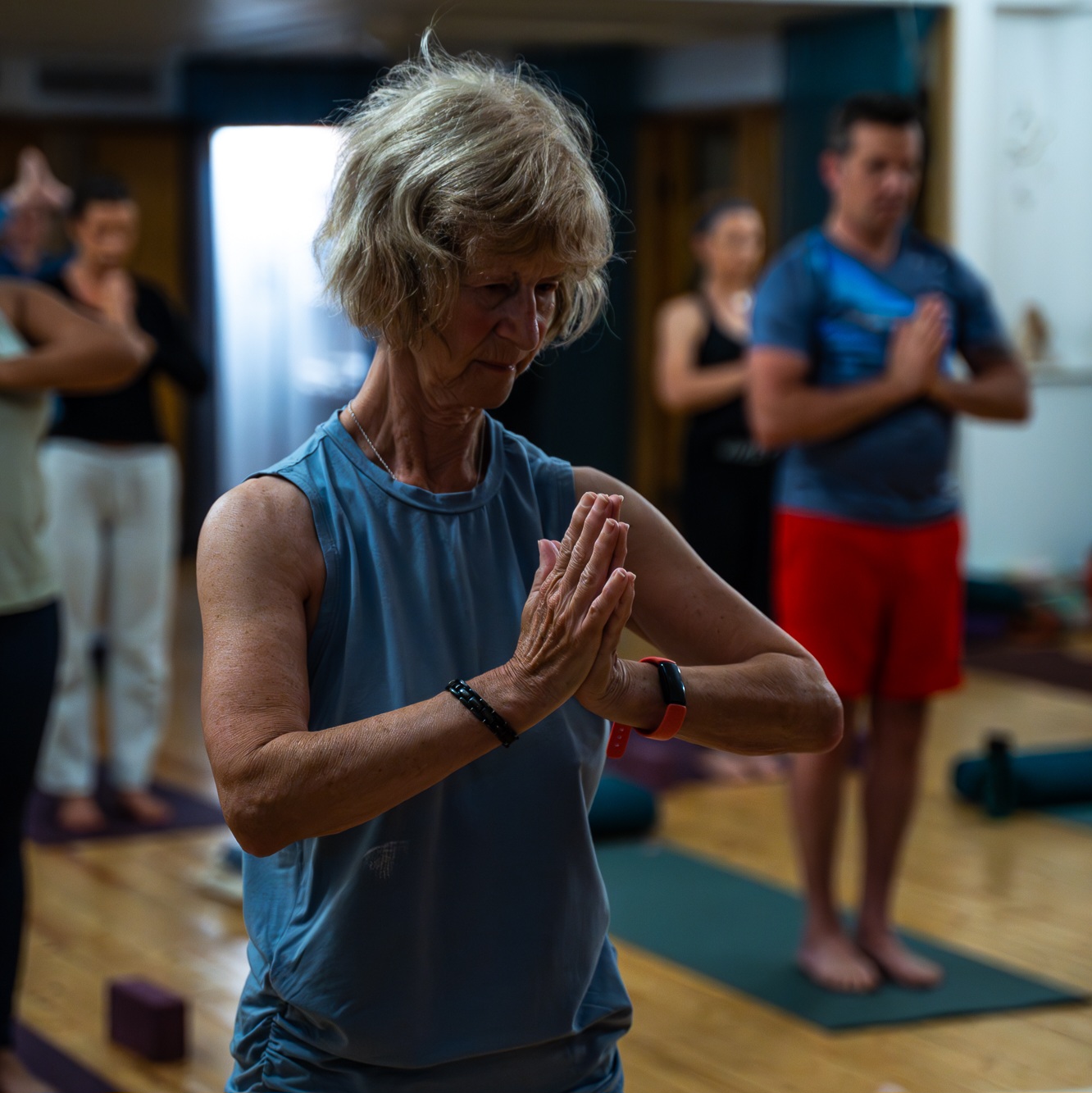
Yoga Retreats That Blend Adventure and Renewal
A great trip can leave you with beautiful photos. A well-designed yoga retreat can leave you standing a little taller, breathing more deeply, and remembering what it feels like to have energy for your own life.
Yoga retreats are not only for people who can hold advanced poses or spend a week sitting perfectly still. For many of us, they are a chance to step out of a crowded schedule and into a rhythm that makes sense: move your body, spend time outside, eat well, rest deeply, and share meaningful moments with people who came for the same reason.
The most memorable retreats do not ask you to choose between adventure and restoration. They let you hike toward a mountain view in the morning, stretch tired legs in an afternoon yoga practice, and settle into meditation before dinner. That balance is where real renewal begins.
What Makes Yoga Retreats Feel Different
A vacation can be enjoyable while still following the habits you hoped to leave behind. You may rush from one attraction to the next, check work messages between meals, or come home needing another weekend to recover. A retreat creates a supportive structure that makes space for a different experience.
Your days have intention without becoming rigid. Morning yoga helps you arrive in your body before the day gets busy. A guided hike, cultural visit, ski outing, or outdoor adventure gives your mind something real to focus on. Restorative movement, meditation, nourishing meals, and quiet time help you absorb the experience instead of racing through it.
This is especially powerful for people whose daily lives require them to care for everyone else. Professionals, parents, entrepreneurs, and caregivers often become very skilled at pushing through fatigue. Taking several days to move, rest, and be cared for isn't an indulgence you have to earn. It can be a practical reset for your physical and emotional well-being.
The Best Yoga Retreats Include a Little Challenge
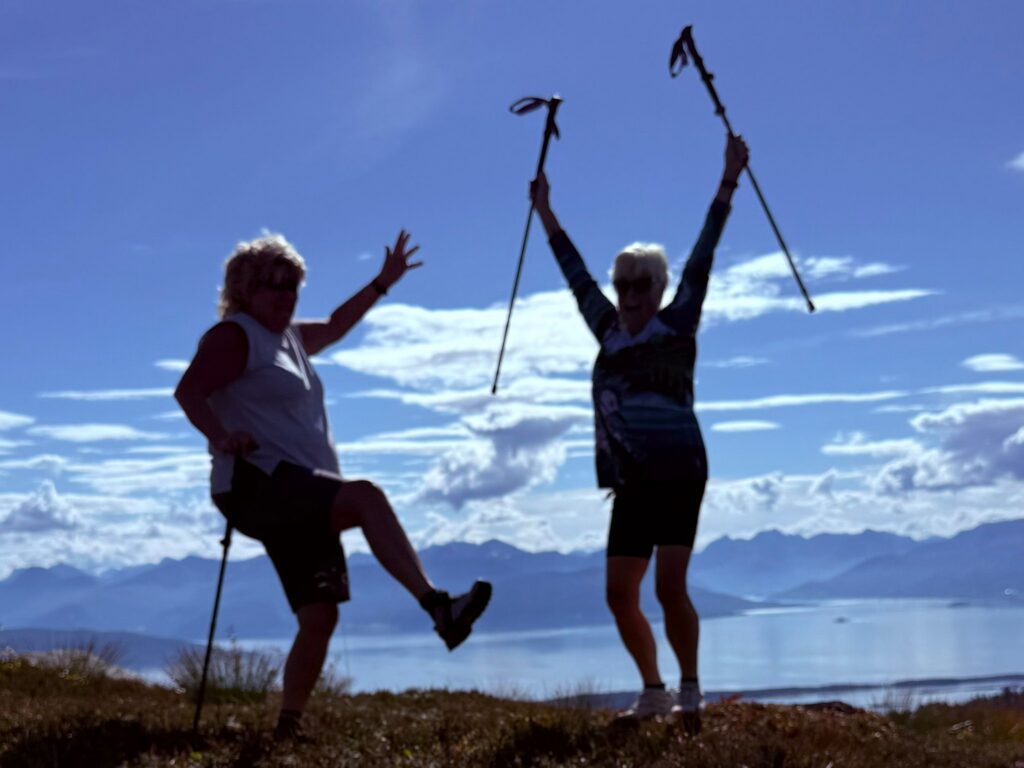
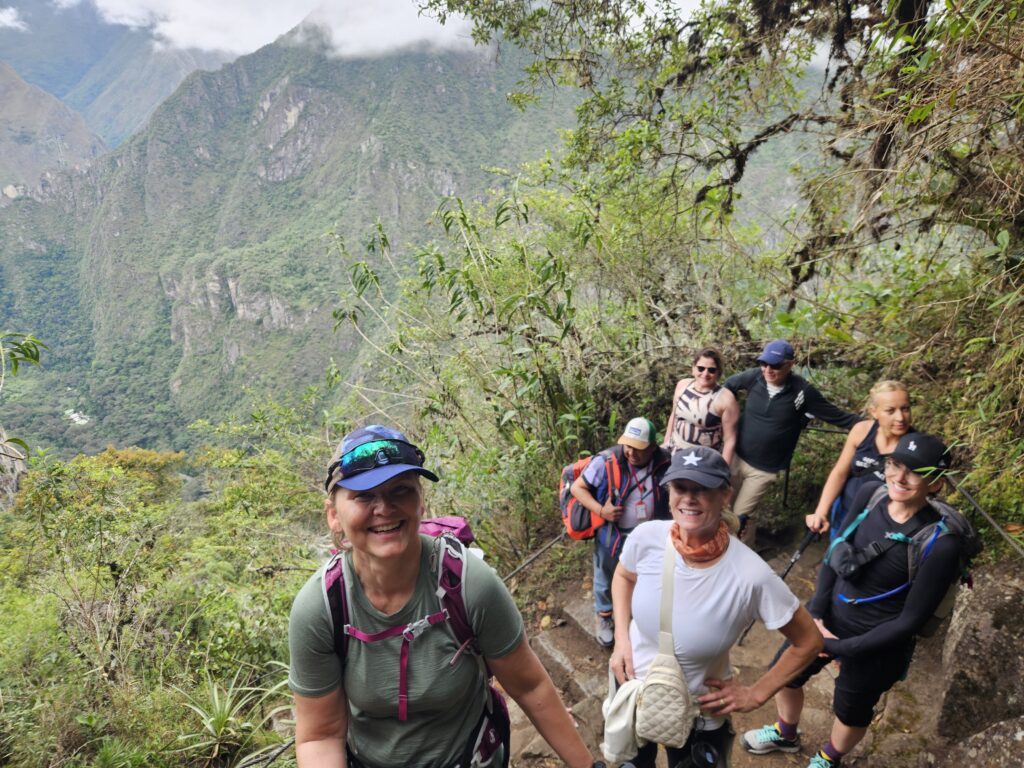
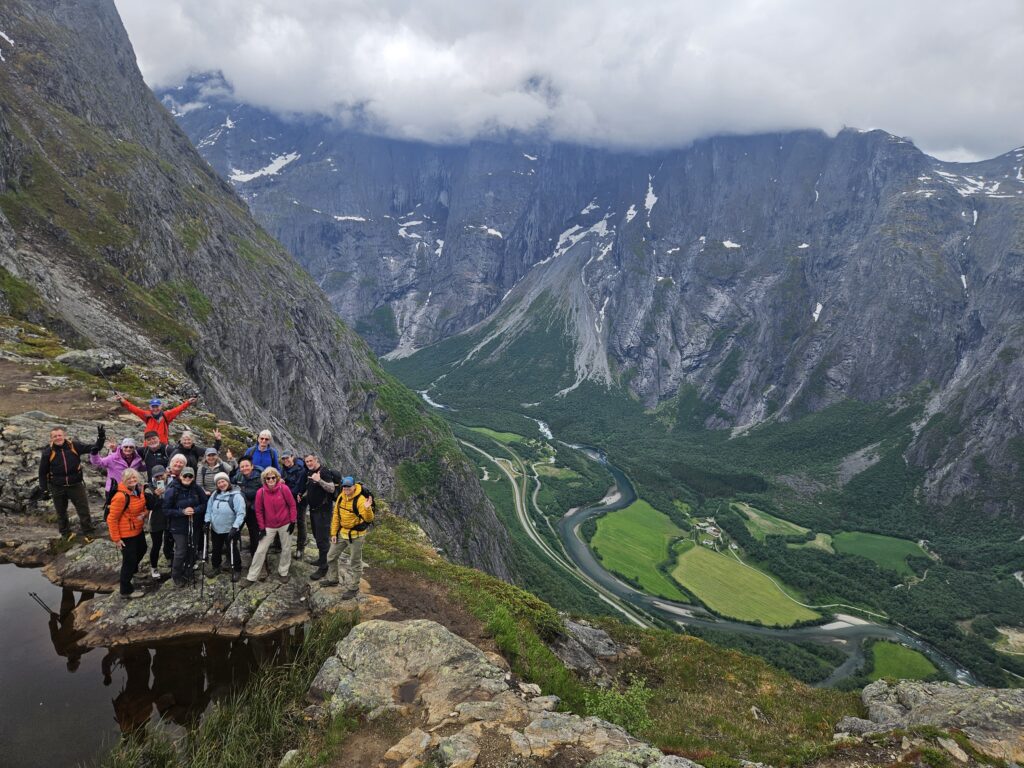
There is a particular confidence that comes from reaching a viewpoint you were not sure you could reach. It may be a winding trail in Norway, a steep village path in Italy, or a long walk through a landscape that makes ordinary concerns feel very small. Outdoor challenge can be an essential part of a retreat, not a distraction from the yoga.
Hiking builds warmth, strength, and resilience. Yoga supports mobility, balance, breath, and recovery. Together, they help you meet your body where it is while inviting it to grow stronger. The goal is not to perform for anyone. It is to notice what you can do when you give yourself consistent support.
That said, match the challenge thoughtfully to the group and destination. A retreat with demanding mountain days may be deeply rewarding for an active traveler, but it is not the right choice if you are recovering from injury or hoping for mostly gentle relaxation. Read the itinerary closely. Look for clear information about trail length, elevation, terrain, and the expected pace. A trustworthy retreat leader will help you understand the experience before you commit.
Choose the Experience You Need Now
The question is not simply, “Where do I want to go?” A better question is, “How do I want to feel when I return?” Your answer can guide every part of your retreat choice.
If you feel mentally overloaded, a slower itinerary with gentle yoga, meditation, and spacious afternoons may be the reset you need. If you have been feeling stuck in a sedentary routine, choose a program with daily walks, hikes, or active exploration. If you are craving confidence after a difficult season, a women’s hiking retreat or a small-group adventure may offer the encouragement and shared achievement you have been missing.
Destination matters, too. Beach settings can be wonderfully calming, while mountains offer a sense of scale and accomplishment. Cultural destinations add texture through local food, history, and everyday life. Some travelers want Ayurveda, warm water, and long restorative practices. Others want crisp air, challenging trails, and the satisfaction of a full day outdoors. Neither choice is better. The right one meets your real needs, not the version of wellness you think you are supposed to want.
Look Beyond the Daily Yoga Class
A yoga class alone does not make a retreat transformative. Consider who leads the experience and how the week is structured. Is there room for beginners? Are modifications offered? Does the teacher understand how to support bodies after a hike or during an active travel day? Are meals, transportation, and downtime planned with care?
You Do Not Need to Be “Good at Yoga”
Many people delay booking because they imagine a room full of flexible, experienced practitioners. In reality, a welcoming retreat should make yoga accessible. You might be new to yoga, returning after years away, or already practicing regularly. What matters most is curiosity and a willingness to listen to your body.
Yoga during a retreat is not a test. It is a useful tool for travel and daily life. A gentle morning flow can ease stiffness from sleeping in a new bed. Breathwork can settle pre-hike nerves. Restorative poses can help your legs recover after a long trail. Meditation can make a quiet sunrise feel even more present.
Tell your teacher about injuries, health conditions, or concerns before the retreat begins. Bring any supports you regularly use, and release the pressure to keep up with someone else’s practice. The strongest choice is often the one that lets you stay comfortable enough to enjoy tomorrow’s adventure.
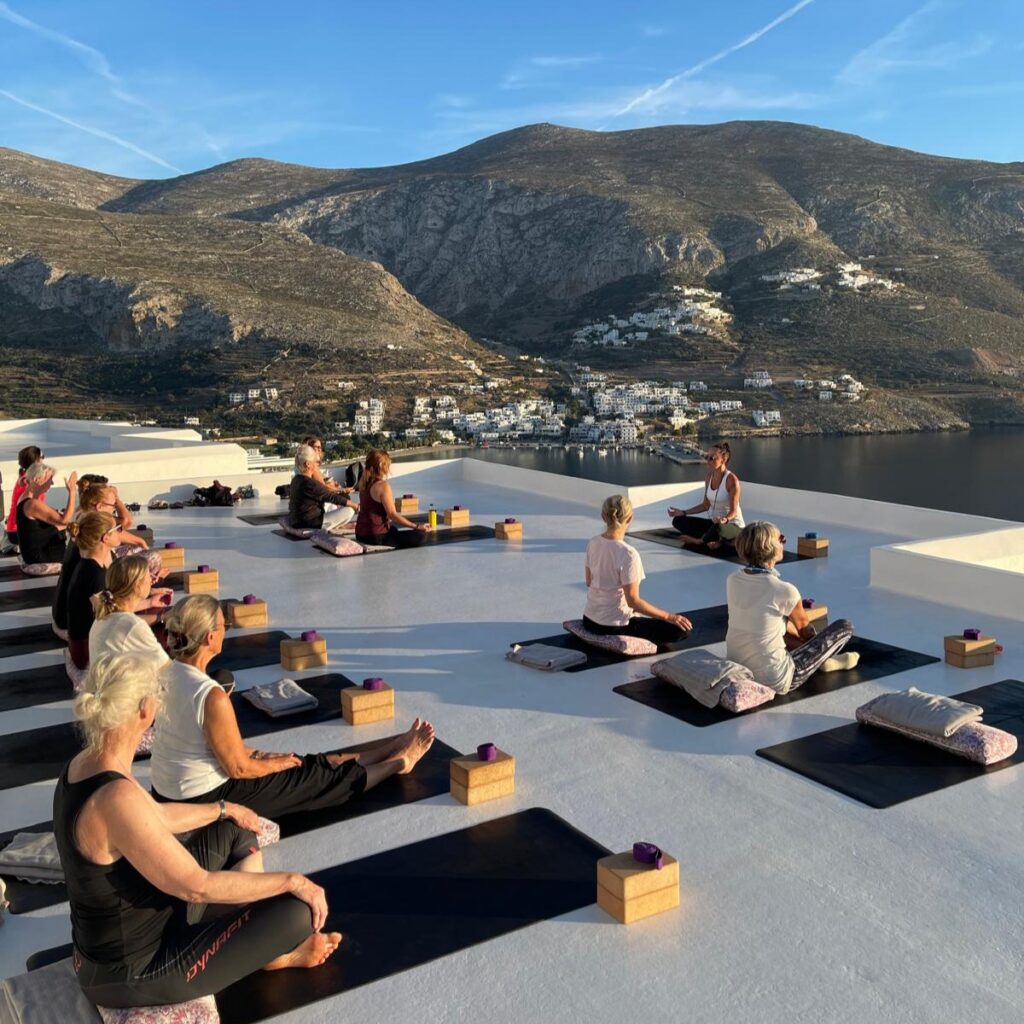
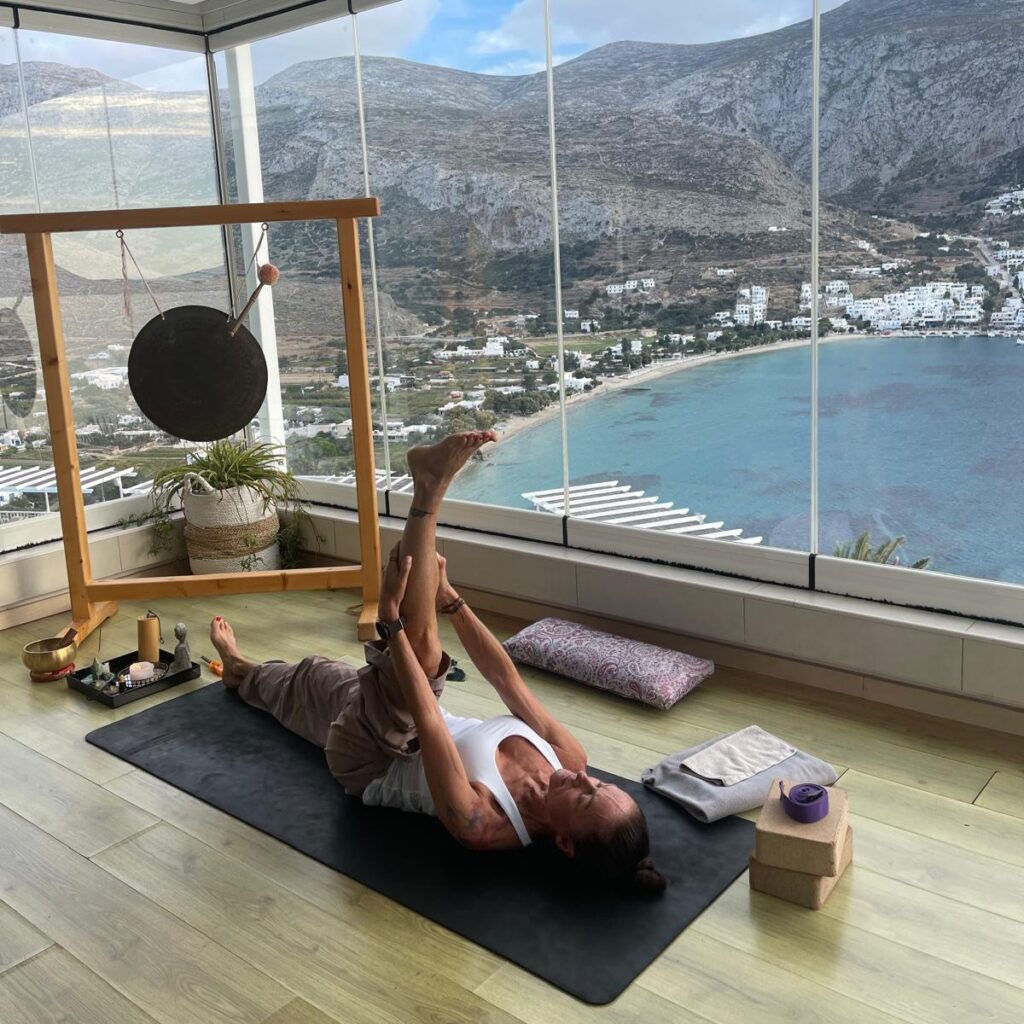
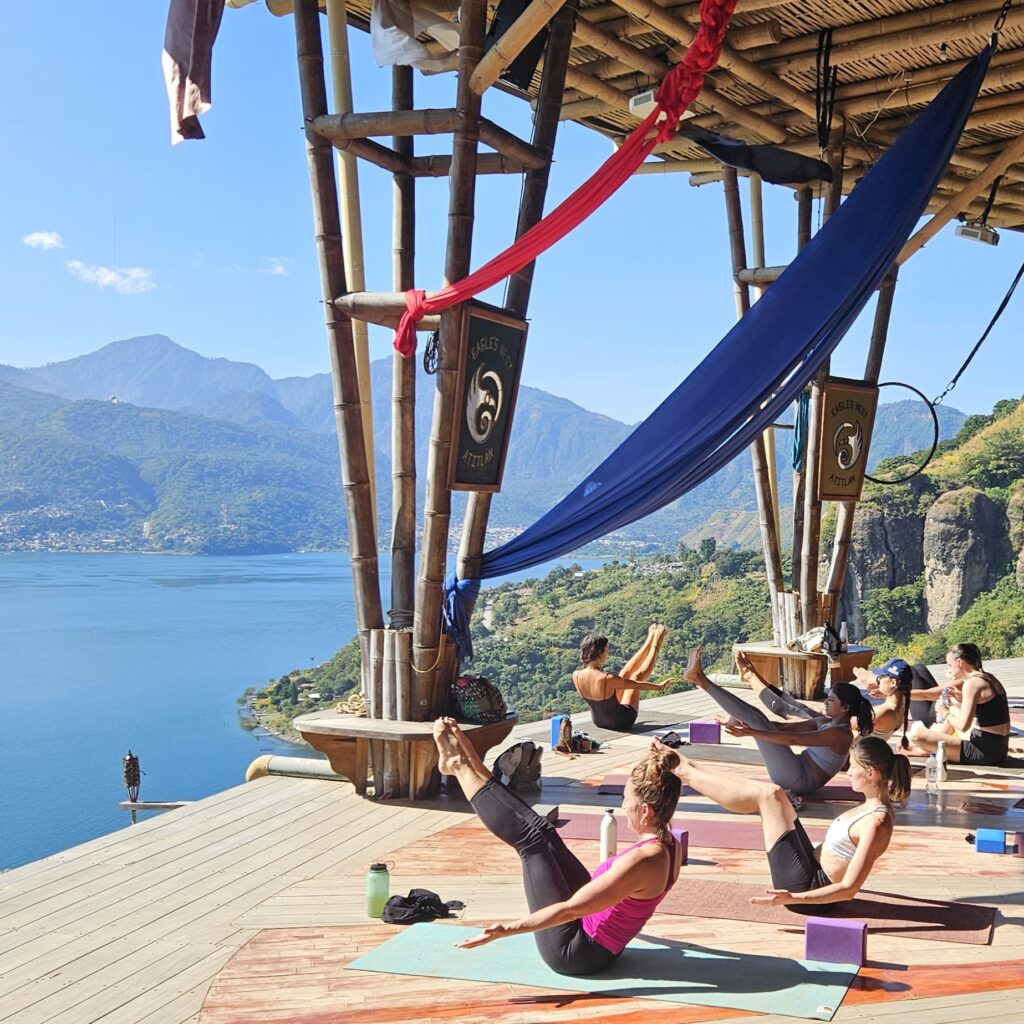
Community Is Part of the Reset
Traveling with a group can feel intimidating before you arrive. Then, often surprisingly quickly, shared breakfasts, trail conversations, and laughter after a long day create a feeling of belonging. You do not have to arrive with a friend to leave with one.
The best retreat groups make room for both connection and solitude. Some people recharge through conversation; others need quiet time between activities. A good itinerary does not fill every minute. It gives you opportunities to join in while respecting your individual rhythm.
This shared environment can also shift your sense of what is possible. When someone cheers you through the final stretch of a hike, or tells you they felt the same nerves before their first yoga class, your own goals can start to feel more reachable. That is not about comparison. It is about being witnessed as you try something meaningful.
How to Prepare Without Overthinking It
You do not need a dramatic wellness overhaul before you travel. A few steady habits will help you arrive ready to enjoy the experience. In the weeks before an active retreat, take regular walks, add some gentle mobility work, and wear in the shoes you plan to hike in. If the itinerary includes more strenuous terrain, gradually build time on your feet rather than attempting one exhausting workout.
Pack for the conditions, but keep your expectations light. Bring layers, a reusable water bottle, sunscreen, comfortable yoga clothes, and a small daypack if hikes are included. More importantly, bring permission to be offline when possible. Let your out-of-office message do its job. Your attention is one of the most valuable things you can bring home.
A retreat will not solve every stress waiting back at home. But it can remind you that you are allowed to create a life with more movement, fresh air, rest, and moments that make you feel fully awake. Choose the yoga retreat that calls you to stretch a little beyond routine, then give yourself permission to meet that invitation wholeheartedly.
Related Posts