Bhutan versus Nepal: Which Mountain Trip Fits You?
A choice between Bhutan versus Nepal is rarely about which country has the more impressive mountains. Both offer Himalayan scale, deeply rooted living cultures, and travel that changes your pace from the moment you arrive. The more useful question is this: what do you need from your time away - a quieter, carefully held journey, or a more varied and energetic mountain adventure?
For active travelers who want hiking, meaningful cultural encounters, and space to reconnect with themselves, both can be extraordinary. Yet they feel very different on the ground. Your ideal destination depends on your comfort with altitude, your appetite for flexibility, the kind of group experience you enjoy, and whether you want challenge, stillness, or a little of both.
Bhutan versus Nepal: Two Different Himalayan Rhythms
Bhutan often feels calm, contained, and intentional. Its valleys are dotted with monasteries, traditional farmhouses, forests, and prayer flags, while steep mountain roads connect small towns and trailheads. Tourism is managed through a policy designed to limit visitor numbers and support local development, which shapes the entire experience. Travel is generally arranged in advance, with a guide and driver, and the days tend to have a reassuring structure.
Nepal is more immediate, varied, and bustling. Kathmandu can be intense in the best and most challenging ways: traffic, temples, markets, incense, motorcycles, and daily life all happening at once. Beyond the city, the landscape opens into terraced hills, river valleys, and famous mountain regions where trekking is central to local life. There is a wider range of routes, accommodation styles, and trip formats, from simple tea-house treks to more supported lodge-based journeys.
Neither rhythm is better. Bhutan may suit you if you prefer a slower itinerary with fewer decisions each day. Nepal may be a better match if you enjoy a little more unpredictability, variety, and the lively energy of a classic trekking destination.
Hiking: What the Days Really Feel Like
Both countries demand respect for the mountains. Altitude, weather, trail conditions, and road travel can affect even a well-planned itinerary. A good trip builds in time to acclimatize and allows room for the unexpected rather than treating every day as a fitness test.
Hiking in Bhutan
Hiking in Bhutan often combines forest trails, ridge walks, high passes, and visits to sacred sites. Many walks begin close to a road, making it possible to experience beautiful terrain without committing to a long, remote expedition. Experienced hikers can also take demanding multi-day treks, but a Bhutan itinerary can be designed around achievable day hikes and cultural exploration.

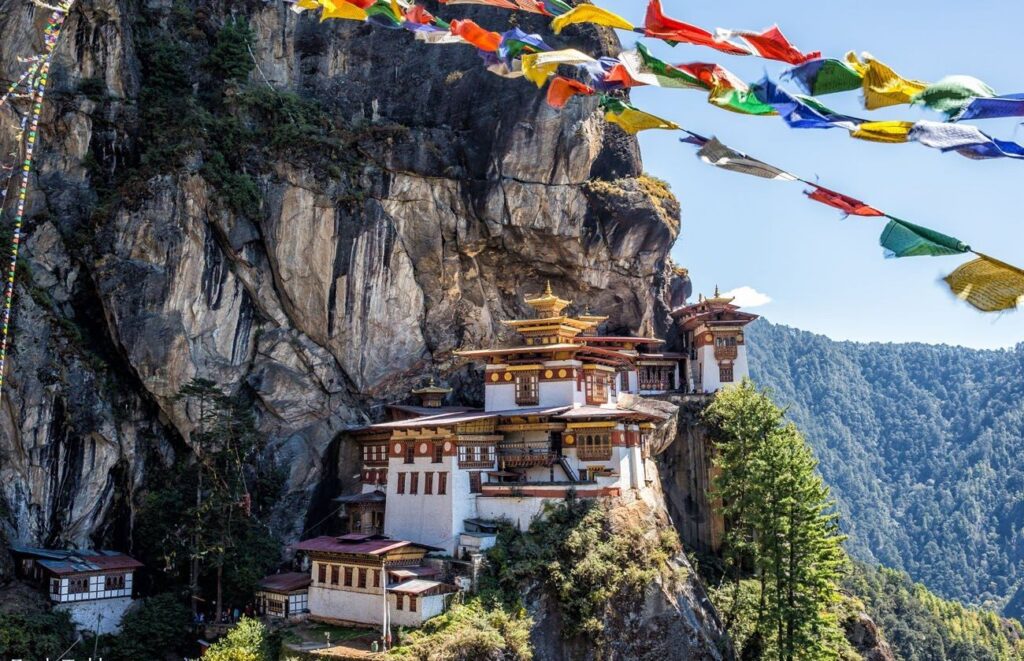
The experience is often less about ticking off a famous route and more about being present in the landscape. You might walk through blue pine forest in the morning, stop for tea, and reach a viewpoint or monastery in the afternoon. Trails can be steep and uneven, so a reasonable level of fitness, sturdy footwear, and comfort walking uphill help. But you don't need to be an expert mountaineer to enjoy Bhutan.
Hiking in Nepal
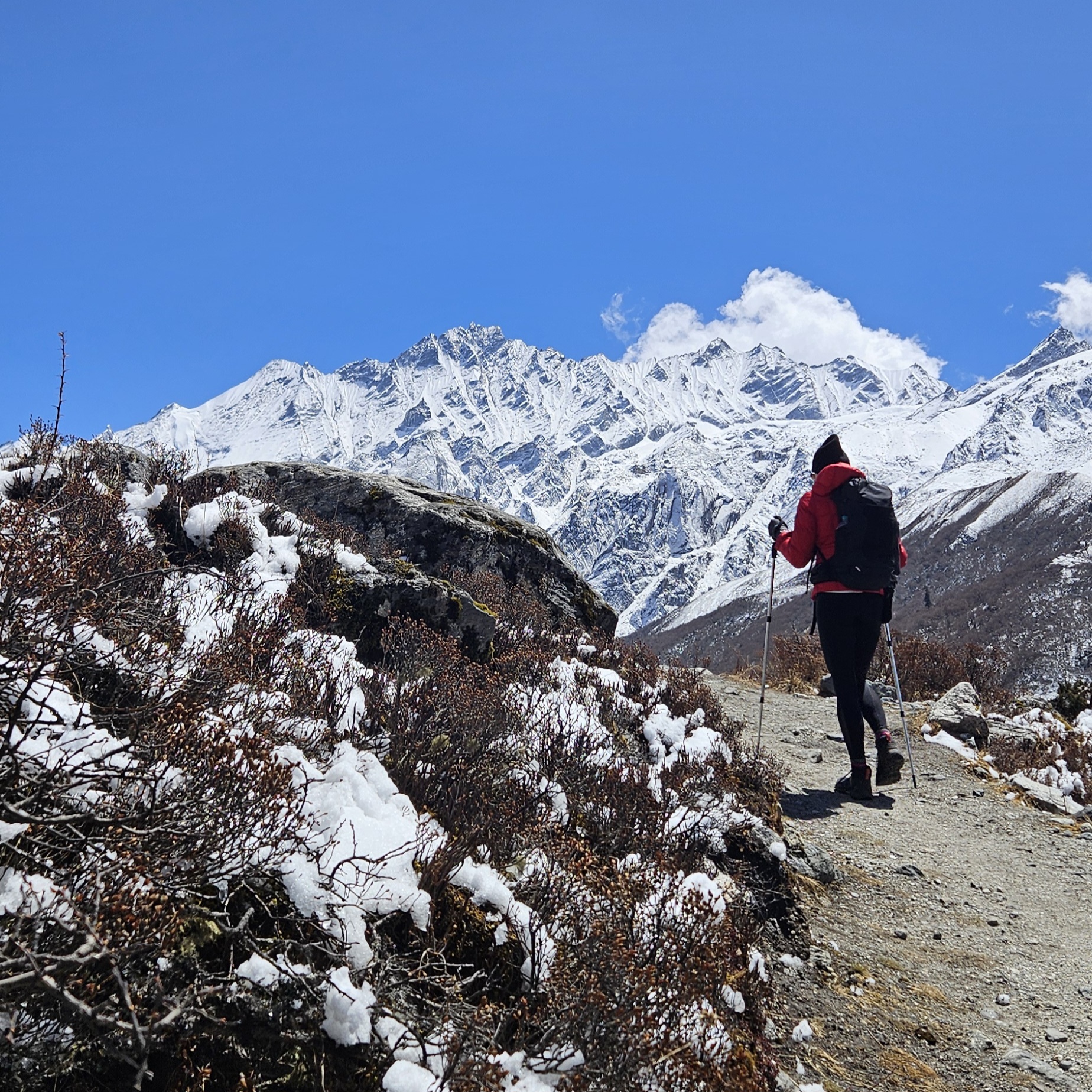
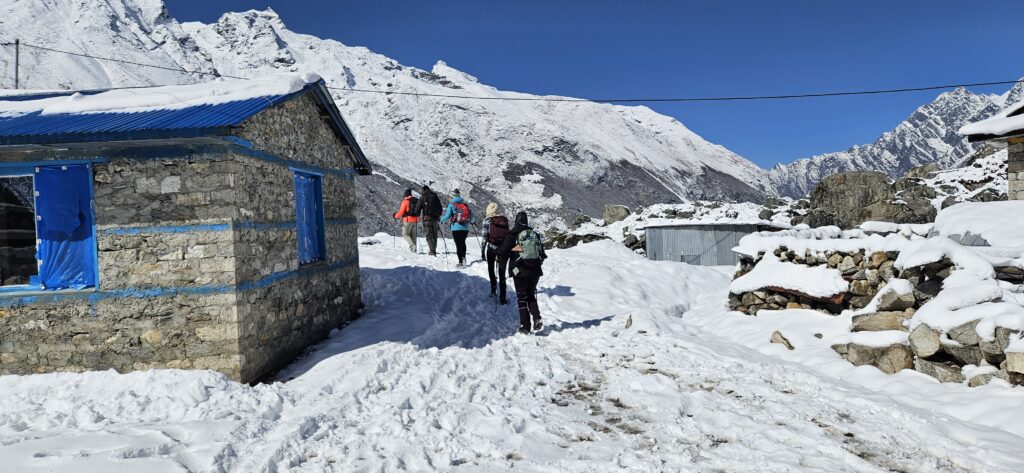
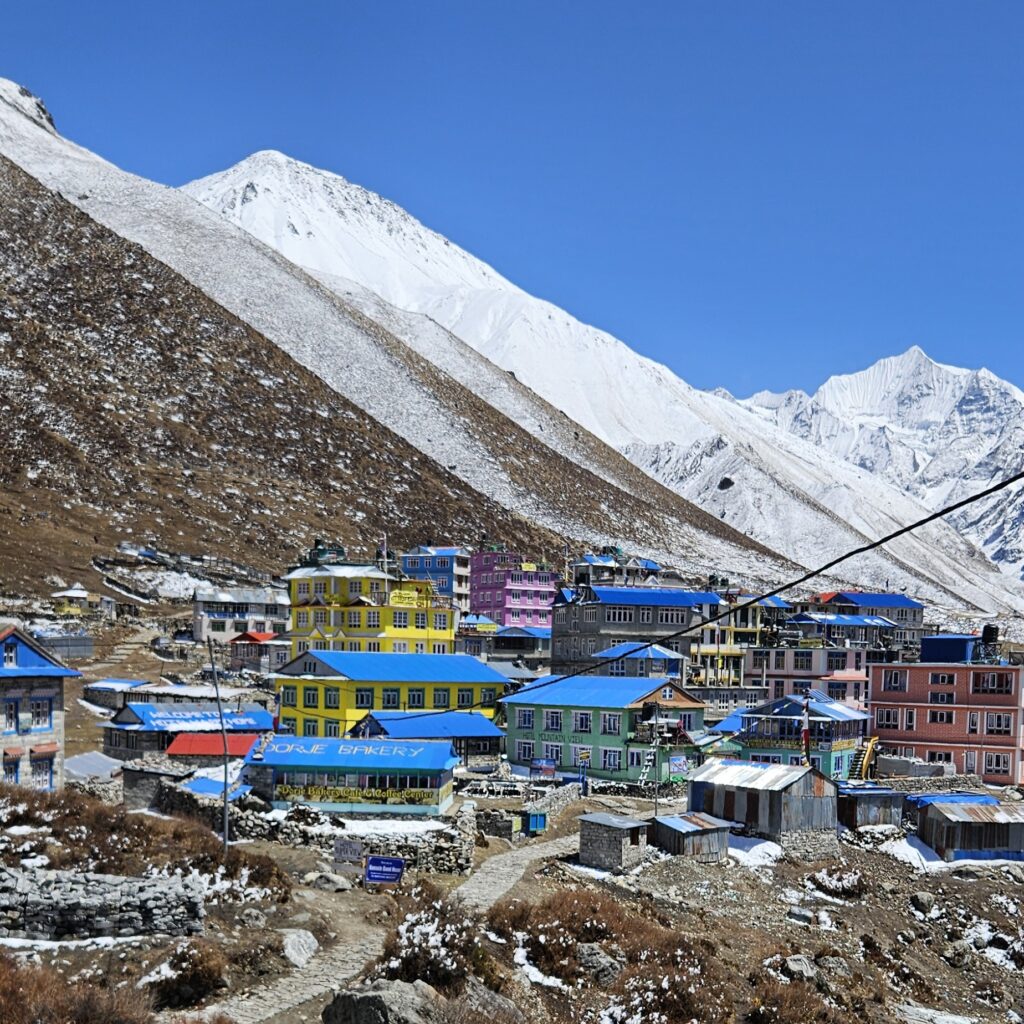
Nepal offers more established trekking infrastructure and a broader choice of mountain landscapes. You can choose lower-elevation foothills, well-known Himalayan valleys, or longer routes that move through villages and above the tree line. On many treks, the journey itself becomes the rhythm: walk for several hours, arrive at a tea house, share a warm meal, rest, and start the next morning again.
This makes Nepal particularly appealing if hiking is the main purpose of your trip. It can also be more physically demanding than travelers expect. Long ascents and descents, basic accommodation on some routes, cold mornings, and changing weather require patience as much as fitness. If you enjoy the satisfying simplicity of carrying only what you need and earning each mountain view step by step, Nepal has a special pull.
Culture: Observation or Immersion?
In Bhutan, Buddhist traditions are visibly woven into daily life, from prayer wheels and monastery architecture to local festivals and the way people greet one another. Visitors are welcomed, but respectful behavior matters. Dress modestly at religious sites, follow your guide's instructions, ask before photographing people, and allow cultural experiences to be more than a backdrop for photos.
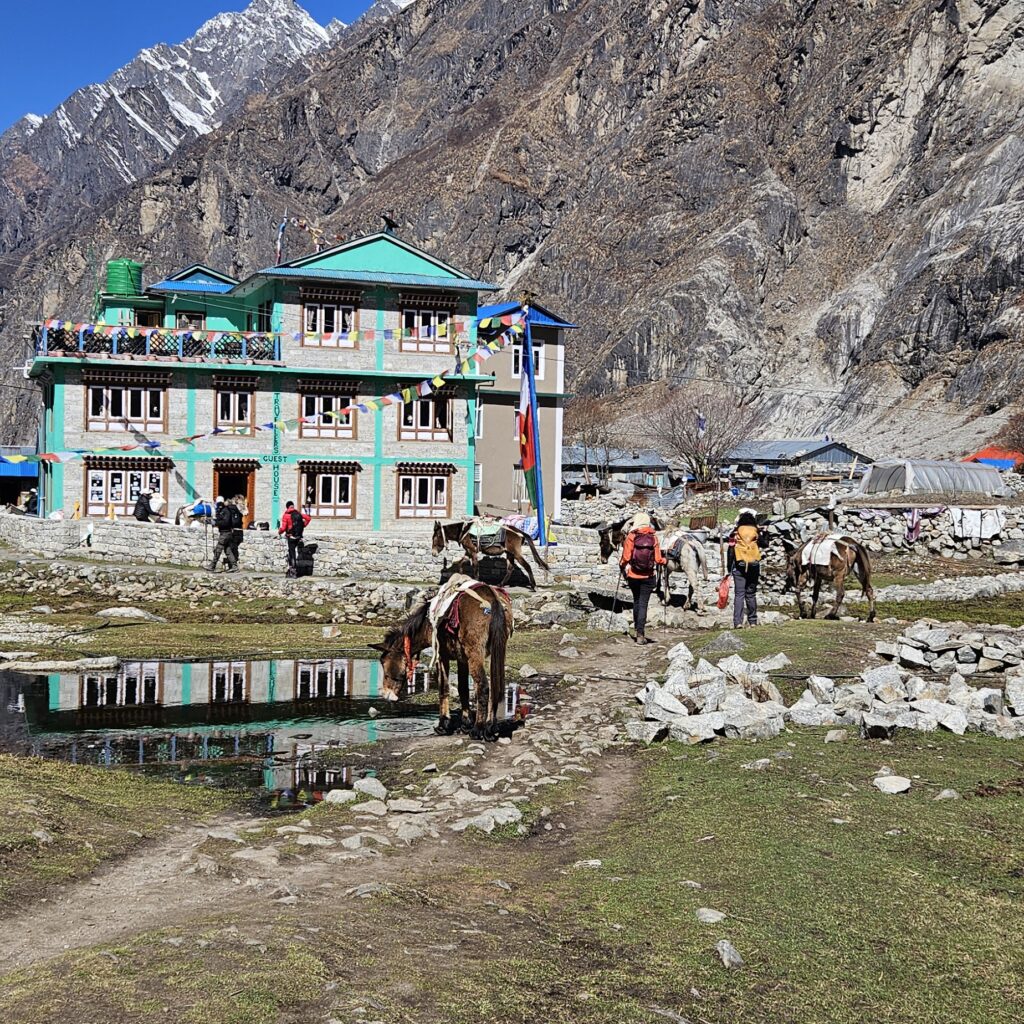
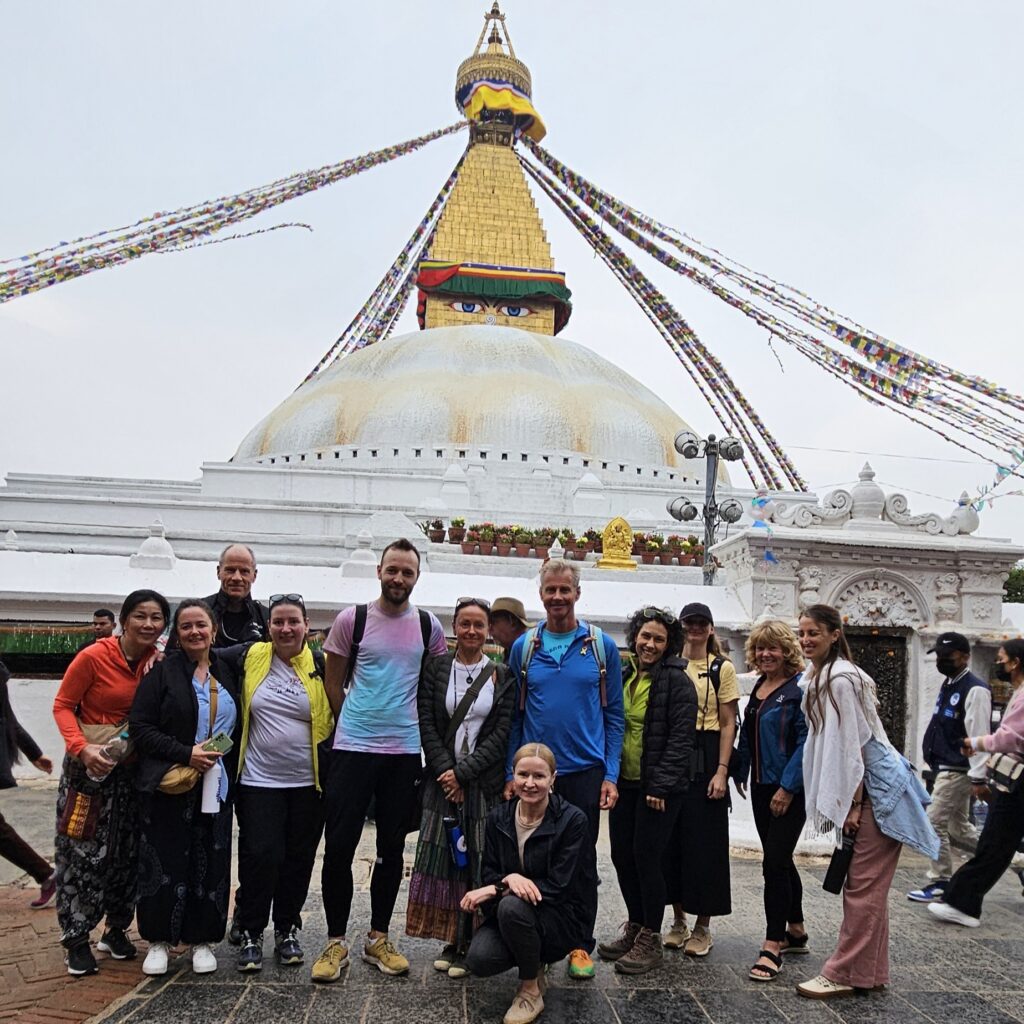
Nepal is culturally layered, with Hindu and Buddhist traditions, many ethnic communities, and big regional differences. A journey might include historic temples in Kathmandu, Buddhist stupas, village life in the hills, and mountain communities with their own languages and customs. The richness can feel wonderfully alive, although it also asks you to be adaptable. Noise, crowds, and changing plans are part of the experience in some places.
For both destinations, a small group and a knowledgeable local guide can make a real difference. They provide context no guidebook can fully offer and help you travel more mindfully. The goal is not to collect cultural moments, but to be a considerate guest.
Comfort, Logistics, and the Value of Ease
Bhutan is generally easier for travelers who value a more organized trip. Accommodation ranges from simple local hotels to high-end properties, and itineraries often include transport, guiding, and planned meals. Because travel is structured and visitor costs can be high, Bhutan often feels like an investment in a carefully curated journey rather than a destination for spontaneous budget travel.
Nepal offers more choice at almost every price point. That flexibility is a strength, especially for travelers who want to extend their trip, select their own trekking route, or combine city time with the mountains. It can also mean more decisions, more variation in comfort, and greater exposure to logistical changes. Domestic flights, road conditions, permits, and trail regulations can shift, so it is wise to leave some margin in your schedule.
If a private bathroom, reliable heating, and predictable meal times are essential, look closely at the specific itinerary rather than assuming either country will provide the same standard everywhere. Mountain travel is not resort travel. The right level of simplicity can be refreshing, but only if it matches your expectations.
Yoga, Recovery, and a Sustainable Pace
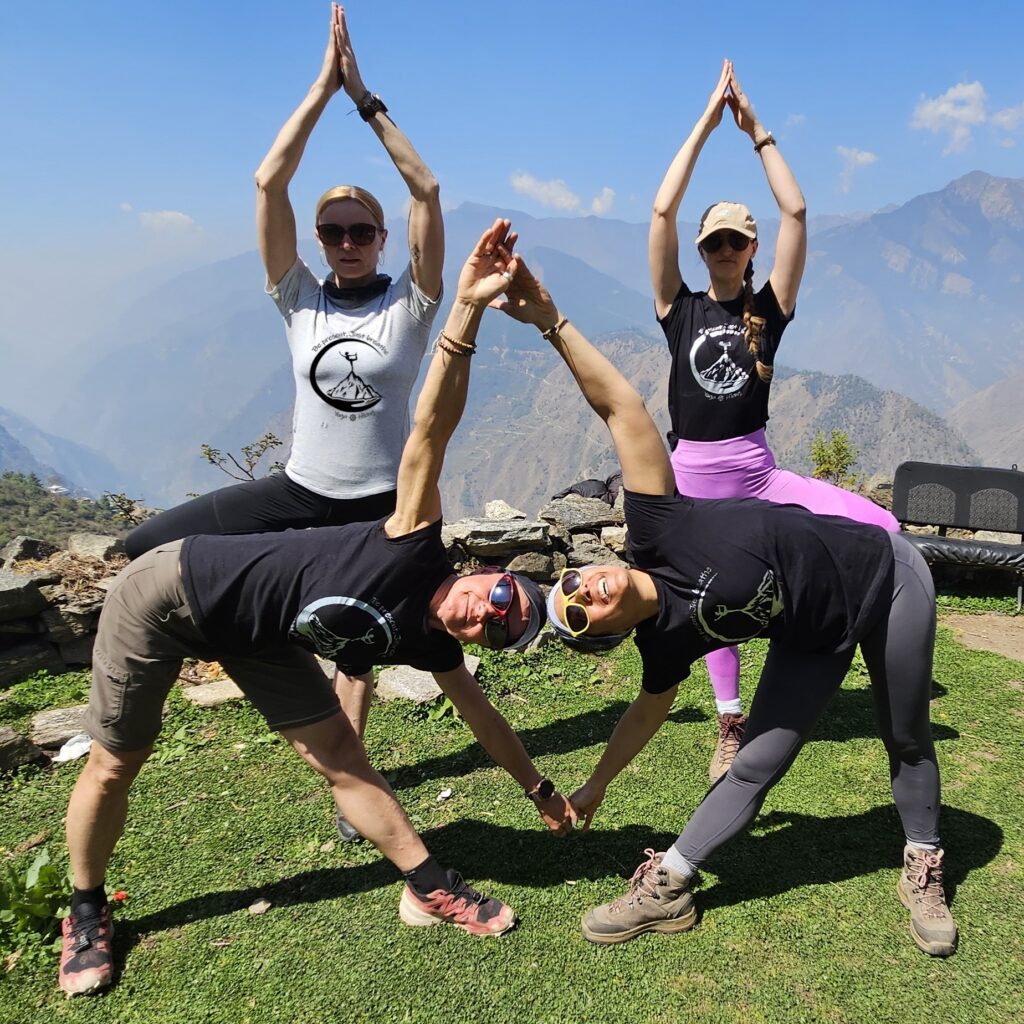
A Himalayan journey can be deeply renewing without being extreme. Yoga, meditation, mobility work, and breath awareness can be valuable companions to hiking because they encourage you to notice how your body is responding. After a day of climbing, gentle movement can support recovery, while quiet practices can create a welcome pause from the momentum of travel.
Bhutan's unhurried atmosphere may naturally appeal to travelers who want spaciousness around their activity. Nepal can offer that too, particularly once you are on the trail, but the transition from busy cities to peaceful mountain days may feel more dramatic.
The most supportive itinerary in either country includes enough downtime. A full day doesn't have to mean a packed day. Choose a trip that has sensible hiking distances, realistic transfer times, opportunities to rest, and guides who take altitude seriously. Feeling challenged is rewarding. Feeling depleted for the sake of an ambitious schedule is not.
Which Destination Is Right for You?
Choose Bhutan if you are drawn to a more guided, quiet, and culturally focused experience. It is a strong fit for travelers who value thoughtful pacing, organized logistics, and hiking that sits alongside reflective cultural discovery. You may also prefer Bhutan if you are traveling solo and appreciate the reassurance of a planned small-group journey.
Choose Nepal if you want hiking to take center stage and enjoy the energy of a destination with many possible routes and travel styles. It suits travelers who are comfortable with more basic conditions at times, can stay flexible, and feel energized by the social rhythm of trekking villages and mountain trails.
There is also a practical consideration: Bhutan's tourism requirements and fees, and Nepal's trekking permits and access rules, can change. Check current official requirements before making plans, and make sure your travel insurance covers high-altitude hiking and any activities on your itinerary.
The best choice is not the country with the highest pass or the most photographed viewpoint. It is the one that gives you enough challenge to feel proud of your effort, enough support to feel safe, and enough quiet to hear yourself think again.
Related Posts